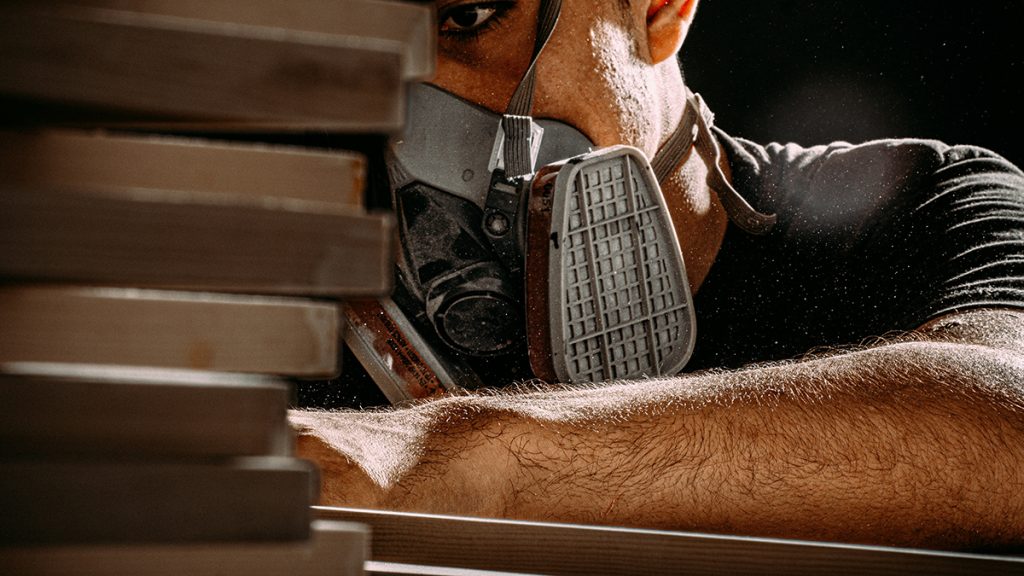
Every woodworker knows the inherent risks of working with sharp blades, spinning bits, and heavy machinery. However, the single most dangerous element in any woodshop isn’t a tool—it is the environment itself. A woodshop is a perfect storm for fire hazards: the air and floors are constantly filled with highly combustible fine sawdust, scrap wood pile-ups, flammable solvent vapors, oil-soaked rags, and electric motors that can easily throw a hot spark or overheat.
If a small fire breaks out at your table saw or inside your dust collector, you have less than 30 seconds to react before it turns into a catastrophic structure fire. Hanging a random, generic kitchen fire extinguisher by the door simply isn’t enough. You need specialized, industrial-grade protection engineered to suppress deep-seated wood ember blazes and electrical fires instantly.
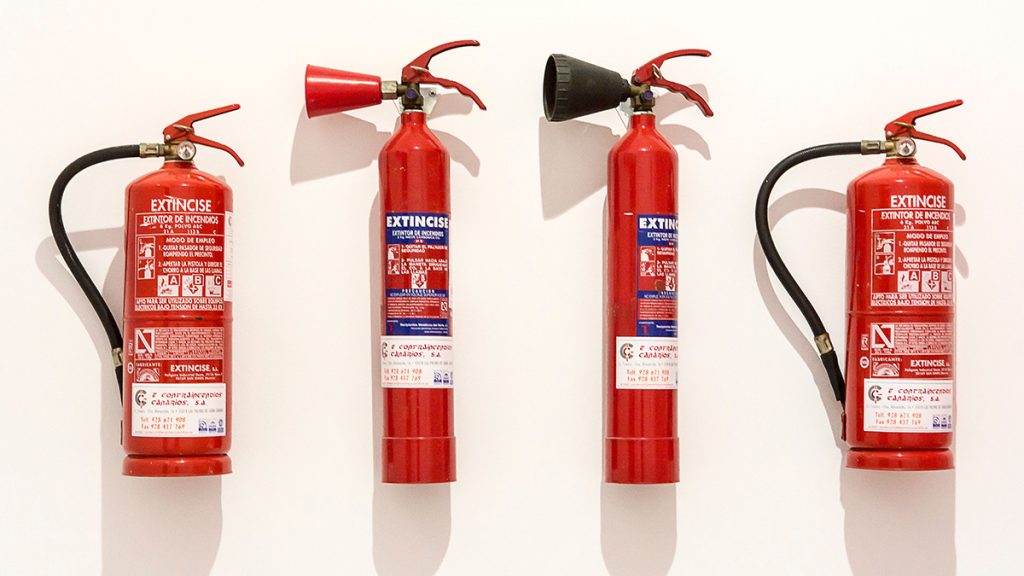
Here is a comprehensive review of the best fire extinguishers for woodworking shops, along with the critical placement and deployment protocols required to protect your space.
Understanding Shop Fire Classifications
Before buying an extinguisher, you must understand the types of fires that occur in a woodworking environment. Fire extinguishers are classified by letters based on the fuel source they are engineered to suppress:
-
Class A (Ordinary Combustibles): This is the primary hazard in a woodshop. It covers wood, cardboard, paper, and most importantly, packed sawdust and wood shavings. Class A fires require an agent that can penetrate deep into burning embers to cool and smother them.
-
Class B (Flammable Liquids): Covers the finishing side of your shop—including lacquers, mineral spirits, alcohol-based stains, wood glues, spray paints, and aerosol cans.
-
Class C (Electrical Fires): Covers your power tools, switches, extension cords, breaker boxes, and machinery motors. You must use a non-conductive extinguishing agent here so you don’t shock yourself or destroy the tool’s internal electronics during deployment.
The Top Fire Extinguishers for Woodworking Shops
1. Amerex B402 9.5-Pound ABC Dry Chemical Extinguisher
Widely recognized as the absolute gold standard for general commercial workshops, manufacturing spaces, and serious home woodshops.
-
Fire Rating: 4-A:60-B:C
-
Extinguishing Agent: Monoammonium Phosphate dry chemical powder
-
The Highlights: The Amerex B402 is a heavy-duty commercial unit featuring a rugged, all-metal valve body and a thick steel cylinder. Its 4-A rating is crucial—meaning it packs double the wood-smothering power of standard household extinguishers. When discharged, it blasts a dense cloud of specialized chemical powder that coats the burning wood fibers, creating an instant chemical barrier that interrupts the fire chain reaction.
-
Best For: All-purpose protection at your main machinery zone (table saw, jointer, planer area).
2. Kidde Pro 210 Toggle Valve ABC Fire Extinguisher
The undisputed favorite for small garage shops, compact maker spaces, and dedicated sharpening stations.
-
Fire Rating: 2-A:10-B:C
-
Extinguishing Agent: Monoammonium Phosphate powder
-
The Highlights: Weighing in at a highly manageable 7.5 pounds (with 4 lbs of active chemical agent), the Kidde Pro 210 is incredibly approachable and easy to swing into action quickly. It features a high-quality brass valve assembly and a clear, color-coded pressure gauge that lets you verify the tool’s operational readiness at a glance. It comes packaged with a robust wall-mounting bracket.
-
Best For: Small to medium home workshops, assembly areas, and hand-tool benches.
3. Amerex B240 2.5-Gallon Pressurized Water Extinguisher
The ultimate, highly specialized “Class A” tool for taming deep-seated sawdust piles and dust collection bin fires without making a chemical mess.
-
Fire Rating: 2-A (Strictly for ordinary combustibles; Never use on Class B or C)
-
Extinguishing Agent: Plain pressurized water
-
The Highlights: Dry chemical powder extinguishers are highly effective, but the fine chemical dust creates a massive, corrosive mess that can ruin your expensive machinery bearings and electronic circuit boards. For a pure wood or sawdust fire, a pressurized water extinguisher is completely clean. It delivers a heavy, long-range stream of water that penetrates deep into packed sawdust bins or wood scrap piles, cooling the core embers down to zero instantly.
-
Best For: Placing directly next to your dust collection cyclone canister or wood scrap bin.
4. Buckeye 45100 5-Pound Carbon Dioxide (CO2) Extinguisher
A premium, zero-residue extinguisher designed specifically to protect high-end CNC routers, laser engravers, and complex power tool breaker systems.
-
Fire Rating: 5-B:C (No Class A rating)
-
Extinguishing Agent: Liquid Carbon Dioxide gas
-
The Highlights: If a fire breaks out inside your expensive computer-controlled CNC spindle or main electrical box, spraying water or dry chemical powder will instantly destroy the toolroom electronics. A CO2 extinguisher shoots a cloud of freezing, compressed gas that displaces oxygen to kill the fire instantly. Because CO2 is a clean gas, it leaves behind absolutely zero residue or cleanup mess, allowing you to save your expensive electronics.
-
Best For: Laser engraver stations, CNC router tables, and main electrical panels.
Shop Fire Extinguisher Comparison Matrix
| Extinguisher Model | Agent Type | Fire Classes Covered | Residual Cleanup Mess | Best Placement Target |
| Amerex B402 | ABC Dry Chemical | A, B, and C | High (Corrosive Powder) | Main table saw / Heavy machinery zone |
| Kidde Pro 210 | ABC Dry Chemical | A, B, and C | Medium-High Powder | Entry doors & assembly benches |
| Amerex B240 | Pressurized Water | Class A Only | Minimal (Water Only) | Dust collector bins & scrap wood piles |
| Buckeye 5lb CO2 | Clean Gas | Class B and C Only | Zero Cleanup Residue | CNC tables, laser bays, & breaker panels |
The Safe Suppression Sequence: The PASS Method
If a fire breaks out in your shop, your internal sawdust air-filtration fans can rapidly pull the smoke and embers across the room. You must act methodically and decisively. Follow this strict tactical sequence to deploy your extinguisher safely:
3 Vital Rules for Woodshop Fire Safety
-
Never Use Water on a Finishing or Electrical Fire: While a pressurized water tank (like the Amerex B250) is the ultimate tool for a burning sawdust bin, spraying water onto an electrical motor fire will instantly shock you. Worse, spraying water onto a burning puddle of lacquer or oil-based finish will cause the burning liquid to float and explode outward, spreading the fire across your shop floors instantly. Always verify the fire class before pulling the trigger.
-
Mount Extinguishers Along Your Escape Paths: A common mistake is mounting your fire extinguisher right next to your biggest hazard, like hanging it directly behind your table saw or spray booth. If a fire breaks out at that specific tool, the heat and flames will prevent you from reaching the extinguisher. Always mount your units roughly 4 to 5 feet off the ground along your natural escape routes—directly next to exit doors or clean walkways—so you can easily grab them as you safely navigate away from danger.
-
Manage Your Oil-Soaked Rags Daily: Spontaneous combustion is a major, silent killer of woodworking shops. When natural finishing oils (like Linseed Oil, Tung Oil, or Danish Oil) dry, they undergo an exothermic chemical reaction—meaning they generate heat. If you toss an oil-soaked rag into a crumpled pile in a trash can, that heat cannot escape. The pile will bake itself until it reaches ignition temperature, bursting into flames in the middle of the night. Always drop used finishing rags flat into a water-filled, sealed steel safety waste can, or lay them completely flat out on a concrete driveway to cure safely overnight before discarding.
Anti-Fatigue Mats for Workshops: Best Options for Your Back.
Amazon Disclaimer:
As an Amazon Associate, I earn from qualifying purchases. This means that if you click on certain links within this post and make a purchase, I may receive a small commission at no additional cost to you. This helps support the site and allows us to continue creating high-quality DIY content.