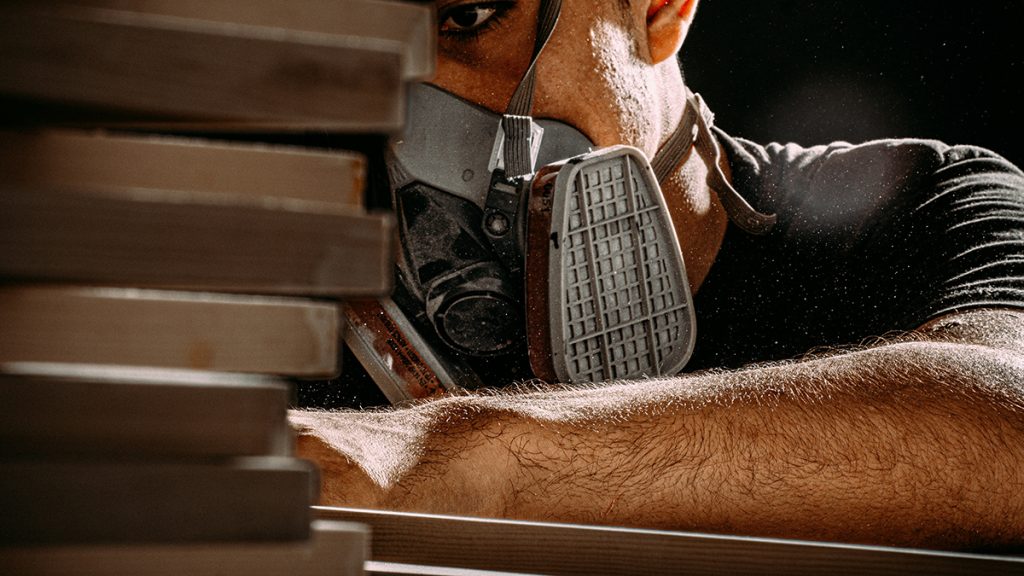

Standing on a solid concrete garage floor for hours while assembling a woodworking joint, sorting through fasteners, or running a lathe is brutal on the human body. Concrete has absolutely zero give. When you stand on it for long sessions, your lower leg muscles constrict, blood flow slows down, and your spinal discs compress. By the end of a workshop session, you are left with a throbbing lower back, aching knees, and stiff feet.
An industrial-grade anti-fatigue mat is the ultimate health upgrade for your back. These engineered mats work by creating a subtle, microscopic instability underfoot. This forces your calf and core muscles to make tiny, subconscious micro-movements, which keeps blood circulating, cushions your joints, and relieves pressure straight off your lumbar spine.
Here is a review of the best anti-fatigue mats available to protect your back, along with the specific material grades you need to look for.
The Top Anti-Fatigue Mats for Garage Workshops
Workshop mats face a much tougher environment than office or kitchen mats. They need to withstand dropped hand tools, heavy work boots, wood shavings, and accidental chemical or oil spills.
1. Sky Mats Commercial Anti-Fatigue Mat
Widely considered one of the most comfortable options for long, stationary tasks like standing at a assembly workbench or a dedicated tool sharpening station.
-
Material Core: Premium patented “Sky Core” foam
-
Thickness: 3/4 of an inch
-
The Highlights: This mat offers a superb balance of soft cushioning and supportive rebound. It features a non-slip bottom that stays firmly anchored to dusty concrete floors, and its beveled, lay-flat edges ensure you won’t trip over the rim when carrying heavy lumber planks. The top surface is highly resistant to wear and easy to wipe clean.
-
Best For: Woodworkers and DIYers who spend hours standing completely stationary in one specific assembly spot.
2. Rhino Mats Industrial Supreme Foam-Backed Mat
If your workshop handles heavy metal fabrication, welding sparks, or aggressive mechanical work, this professional-grade mat is built like an absolute tank.
-
Material Core: Closed-cell polymeric sponge bonded to a heavy-duty rubber top skin
-
Thickness: 7/8 of an inch
-
The Highlights: Rhino Mats are engineered for brutal environments. The top surface is a thick, textured vinyl skin that resists punctures from sharp metal shards, falling screws, and industrial oils. The extra-thick foam backing provides deep orthopedic relief for your lower back, even when wearing heavy, steel-toed boots.
-
Best For: Heavy-duty machine shops, automotive garages, and areas around metal lathes or band saws.
3. Gorilla Grip Commercial Grade Ergonomic Mat
An exceptionally durable, water-resistant option packed with excellent traction patterns, making it a fantastic multi-purpose choice for damp or messy shops.
-
Material Core: 100% high-density polyurethane
-
Thickness: 3/4 of an inch
-
The Highlights: Unlike cheap foam mats that compress permanently over time, this mat features one-piece polyurethane construction that maintains its supportive rebound shape indefinitely. The textured top offers maximum grip, even if your boots are covered in wet sawdust, grease, or spilled finishes.
-
Best For: High-traffic workshops, messy glue-up stations, and budget-conscious creators who want commercial-grade durability.
Direct Comparison Matrix
| Model | Core Thickness | Shell Material | Chemical/Oil Resistance | Best For |
| Sky Mats Commercial | 3/4 inch | Patented Smooth Blend | Medium | Stationary hand-tool work & fine assembly |
| Rhino Industrial | 7/8 inch | Puncture-Resistant Vinyl | High | Metalworking, welding, & heavy work boots |
| Gorilla Grip | 3/4 inch | High-Density Polyurethane | High | High-traffic shops, wet debris, & longevity |
Key Features to Check Before Buying
To get the absolute best orthopedic benefit for your back, avoid generic mats and look for these workshop-specific metrics:
-
The Thickness Sweet Spot: Look for a mat that is exactly 3/4 inch to 7/8 inch thick. Anything under 1/2 inch will quickly bottom out under your body weight, rendering it useless. Anything over 1 inch can create a soft, mushy surface that actually tires out your ankle muscles and acts as a tripping hazard.
-
Beveled Edges Are Non-Negotiable: A quality shop mat must feature a tapered, sloped border on all four sides. If a mat has straight, vertical edges, you will constantly stumble over it when backing away from a machine, or trip when rolling a mobile tool base across the floor.
-
Closed-Cell vs. Open-Cell Construction: Ensure your mat is made of closed-cell foam or solid polyurethane. Open-cell sponge mats act like a giant kitchen sponge; they will drink up oil, spilled stains, and moisture, leading to mold, bad odors, and rapid material breakdown.
3 Tips for Maintaining Your Workshop Anti-Fatigue Mat
-
Sweep Before vacuuming: Fine sawdust can get trapped in the deep anti-slip traction grooves on top of the mat. Use a stiff-bristled shop broom to loosen the packed dust before hitting it with a shop vac.
-
Avoid Moving Heavy Equipment Over It: While these mats are incredibly tough under your boots, rolling a 500-pound cabinet saw on small steel wheels directly across a polyurethane mat can tear, crease, or permanently pinch the inner foam core. Pick the mat up and set it aside before rearranging heavy tools.
-
Clean with Mild Soap Only: If you spill wood stain, grease, or glue on the mat, clean it immediately using warm water and a mild dish soap. Avoid aggressive chemical solvents like acetone or paint thinner, as they can dissolve the protective top coating of the mat within seconds.
Amazon Disclaimer:
As an Amazon Associate, I earn from qualifying purchases. This means that if you click on certain links within this post and make a purchase, I may receive a small commission at no additional cost to you. This helps support the site and allows us to continue creating high-quality DIY content.