
Popular categories


Our Top Picks
- Best Impact Drivers for Fastening Heavy Structural Screws
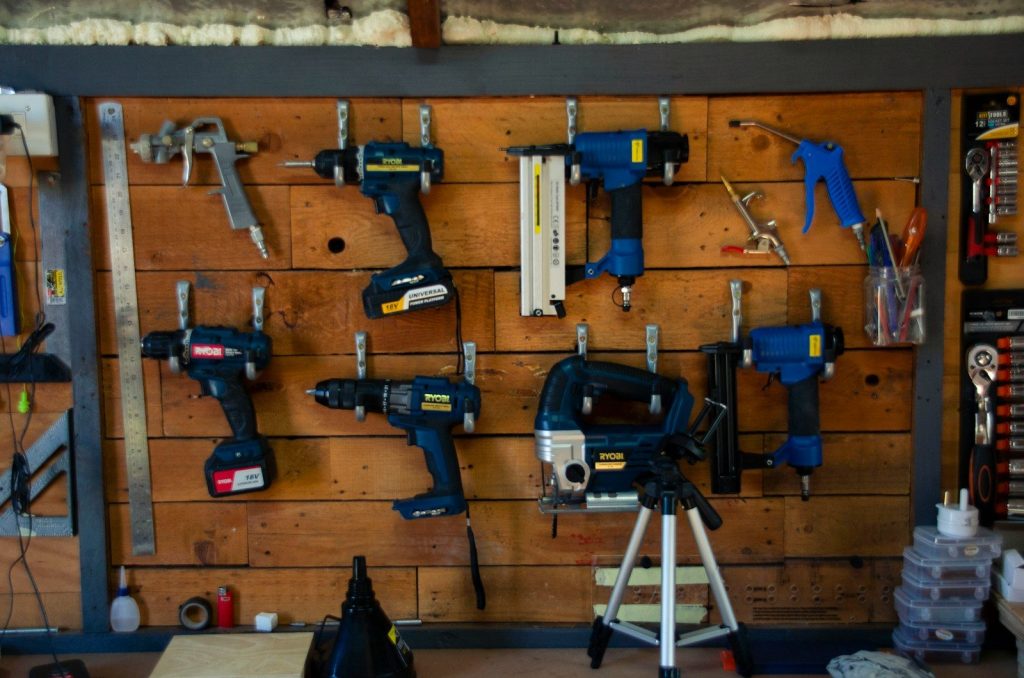
 When driving long 3-inch structural screws into dense laminated lumber, sinking heavy timber fasteners for a firewood shed, or building workshop storage racks, a standard drill/driver simply lacks the rotational power. When heavy fasteners bite deep into stubborn wood grain, standard drills twist violently in your hand, strip screw heads, or stall out completely. To sink heavy-duty fasteners rapidly without wrist fatigue, an impact driver is an indispensable workshop and jobsite tool. Unlike standard drills that rely on continuous rotational torque,… Read more: Best Impact Drivers for Fastening Heavy Structural Screws
- Maintenance Tips to Extend the Lifespan of Cordless Drill Batteries
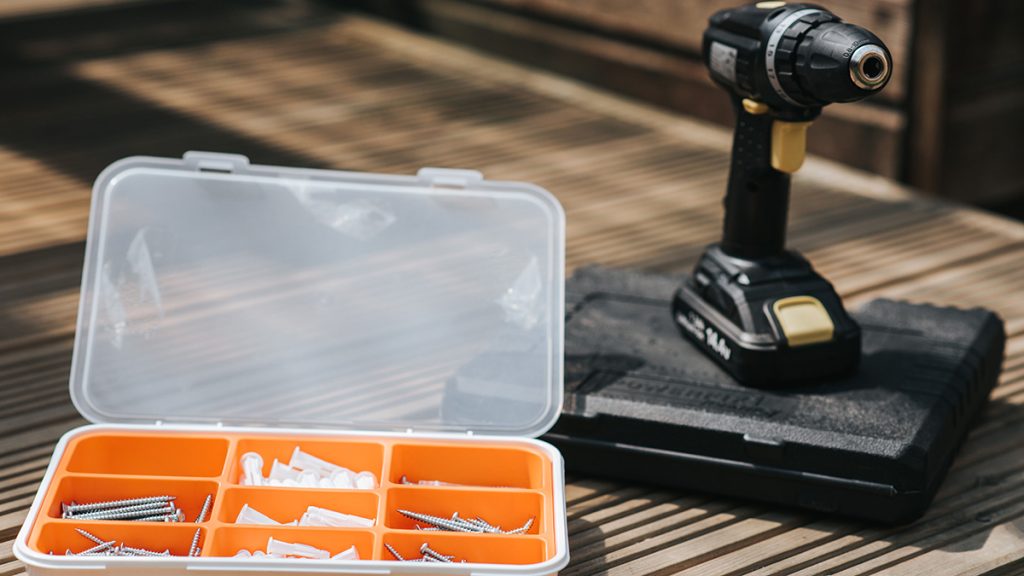 Lithium-ion (Li-ion) batteries are the heart of modern jobsite and workshop tools. Whether powering a heavy-duty hammer drill, an impact driver, or a compact drill/driver, high-capacity battery packs represent a significant portion of your power tool investment. However, poor charging habits, extreme temperature exposure, and improper storage can degrade lithium cells rapidly, causing battery packs to lose runtime and fail prematurely. Replacing cordless drill batteries every year or two is an expensive, unnecessary expense. With proper care, temperature management, and… Read more: Maintenance Tips to Extend the Lifespan of Cordless Drill Batteries
- Best Heavy-Duty Drill Presses for Precision Woodworking
 Whether you are boring clean, flat-bottomed holes for European cabinet hinges, drilling deep mortises for furniture joinery, or executing repetitive angled holes for chair legs, a handheld cordless drill simply cannot deliver the absolute perpendicularity and depth control needed for fine woodworking. Attempting to drill deep, precise holes freehand often leads to ovalized openings, wandering bit paths, and ruined project timber. For serious furniture makers, cabinet builders, and shop woodworkers, a heavy-duty drill press is an essential stationary tool. Unlike… Read more: Best Heavy-Duty Drill Presses for Precision Woodworking
- Best Cordless Drill Driver Combo Kits for Woodworkers
 In any woodworking shop, cabinet facility, or home DIY space, a cordless drill/driver combo kit is the ultimate bread-and-butter tool pairing. Constantly swapping out a drill bit for a driver bit on a single tool while assembling cabinet carcases or pocket-hole face frames wastes time and breaks workflow momentum. By pairing a dedicated 1/2-inch drill driver (for boring clean pilot holes and pocket joints) alongside a high-torque 1/4-inch hex impact driver (for sinking long structural screws without cam-out), a quality… Read more: Best Cordless Drill Driver Combo Kits for Woodworkers
- Best Forstern Bits for Flat-Bottomed Holes.
 When drilling deep holes in woodworking, standard twist bits or spade bits quickly reveal their limitations. Twist bits leave a steep conical V-bottom, spade bits tear out delicate surface wood fibers with violent tear-out, and hole saws leave an unsightly center pilot hole completely through your stock. When your joinery requires pristine, glass-smooth, perfectly flat-bottomed holes, nothing compares to a high-precision Forstner bit. Unlike traditional drill bits that cut from their center point outward, a Forstner bit is guided by… Read more: Best Forstern Bits for Flat-Bottomed Holes.
- Lightweight Drills for DIYers: Best Picks for Ergonomics.
 Whether you are hanging floating shelves, assembling flat-pack furniture, or installing window blinds, picking up a heavy, 5-pound industrial cordless drill for a quick home task gets exhausting fast. Heavy power tools strain your wrist, cause arm fatigue during overhead driving, and make maneuvering inside tight cabinet frames a awkward struggle. For DIYers, apartment dwellers, and home improvers, a lightweight ergonomic drill is the ultimate everyday tool. Modern compact drills have evolved far beyond weak utility drivers. Thanks to high-efficiency… Read more: Lightweight Drills for DIYers: Best Picks for Ergonomics.
Latest Articles
- How to Build a Router Sled for Flattening Large Slabs
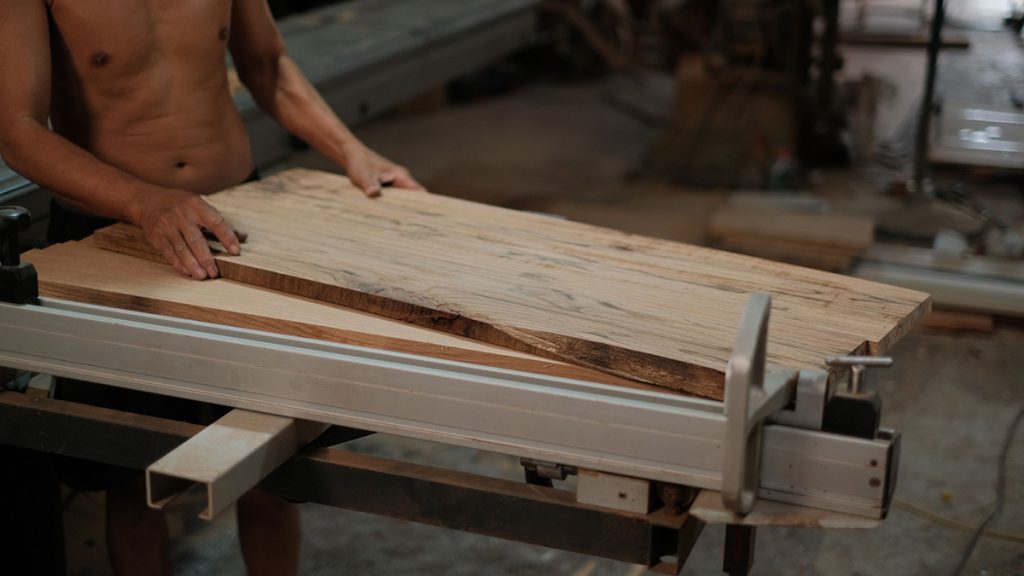 When acquiring a gorgeous live-edge walnut, maple, or oak slab for a custom dining table or coffee table, you immediately face a major workshop challenge: live-edge slabs are rarely flat. Warping, cupping, twisting, and sawmill blade marks mean a raw slab will rock violently across a workbench, making traditional hand-planing or drum-sanding an exhausting, inaccurate… Read more: How to Build a Router Sled for Flattening Large Slabs
- Best Detail Detail Sanders for Intricate Furniture Restorations
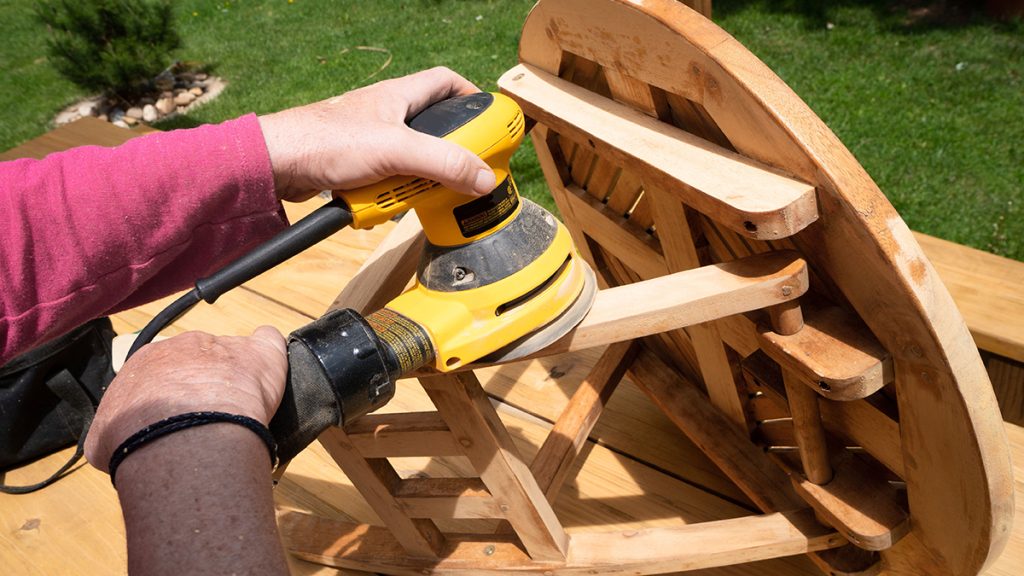 Restoring an antique dresser, an ornate Victorian chair, or a handmade cabinet with tight louvers and delicate molding profiles is a deeply rewarding craft. However, the most tedious part of any furniture restoration project is removing decades of old varnish, stubborn paint, and deep scratches from narrow corners, intricate carvings, and tight joinery intersections where… Read more: Best Detail Detail Sanders for Intricate Furniture Restorations
- Best Impact Drivers for Fastening Heavy Structural ScrewsWhen driving long 3-inch structural screws into dense laminated lumber, sinking heavy timber fasteners for a firewood shed, or building workshop storage racks, a standard drill/driver simply lacks the rotational power. When heavy fasteners bite deep into stubborn wood grain, standard drills twist violently in your hand, strip screw heads, or stall out completely. To sink… Read more: Best Impact Drivers for Fastening Heavy Structural Screws
- Understanding Saw Blade Tooth Geometry and Kerf Width
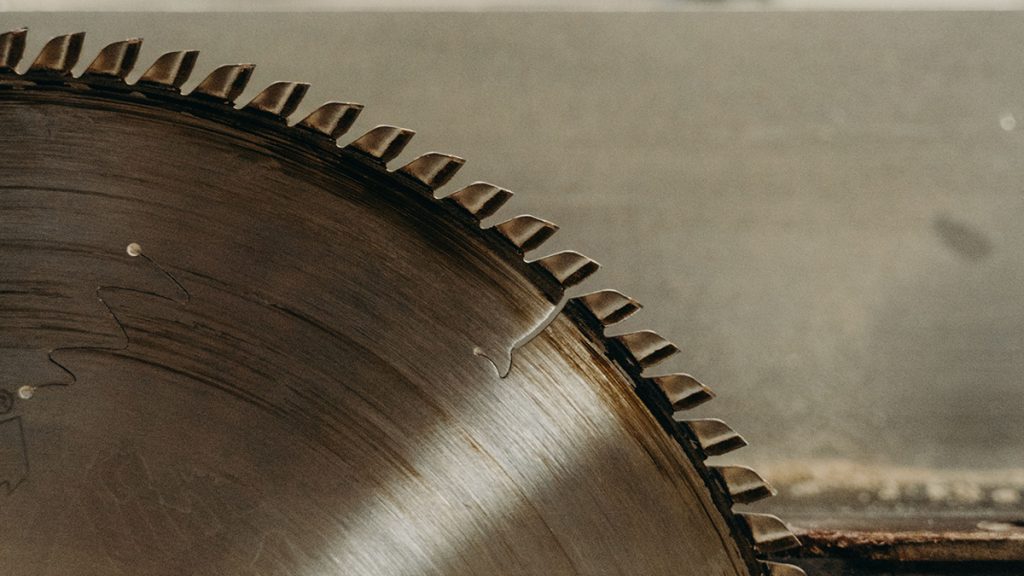 When installing a fresh blade on your table saw, miter saw, or circular saw, you expect clean, splinter-free cuts. Yet, two identical-looking 10-inch blades can yield drastically different results—one might tear out oak veneer and bog down the motor, while another glides through dense hardwood effortlessly. The secret lies in the saw blade’s engineering: tooth… Read more: Understanding Saw Blade Tooth Geometry and Kerf Width
- How to Make Natural Homemade Wood Polish with Beeswax and Olive Oil
 Over time, central heating, seasonal humidity changes, and daily use strip moisture out of heirloom furniture, leaving wooden tabletops, cutting boards, and chair arms looking dry, faded, and dull. While commercial aerosol furniture polishes promise instant shine, they often rely on petroleum distillates, synthetic silicones, and artificial fragrances that build up into a sticky, dust-attracting… Read more: How to Make Natural Homemade Wood Polish with Beeswax and Olive Oil
- The Ultimate Guide to Shellac: Types, Mixing, and Application
 Few wood finishes carry the historical pedigree, tactile warmth, and unmatched versatility of shellac. Long before modern polyurethane, lacquer, and conversion varnishes dominated the woodworking industry, shellac served as the premier transparent finish for fine furniture, musical instruments, and antique restoration. Unlike synthetic film finishes that cure through chemical cross-linking, shellac is a 100% natural,… Read more: The Ultimate Guide to Shellac: Types, Mixing, and Application