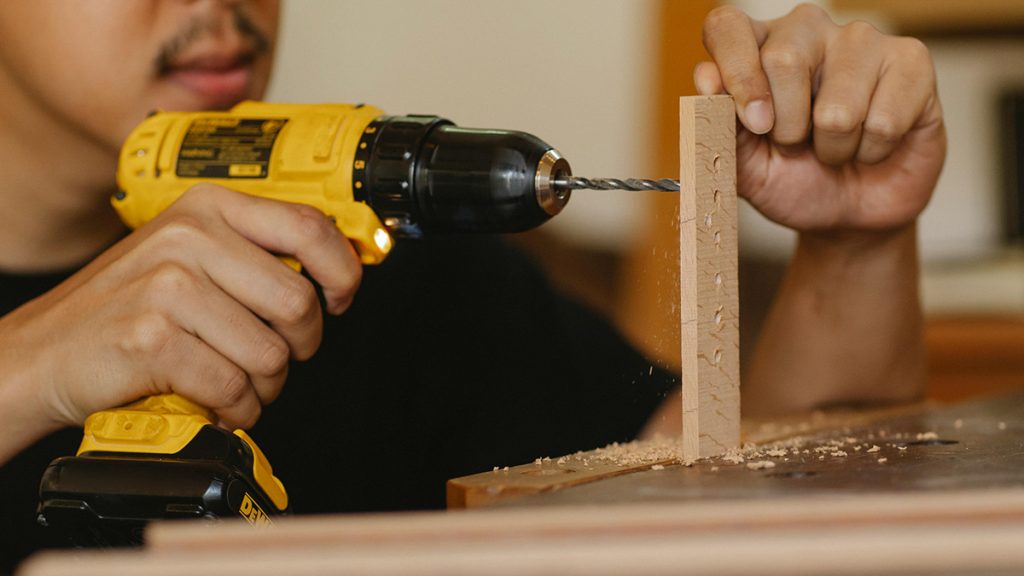
Drilling a perfectly straight, 90-degree hole using a handheld power drill is notoriously difficult. Even with a steady hand, a slight tilt can ruin a critical joint, cause a dowel alignment failure, or make hardware sit crookedly.
While a dedicated workshop drill press is the ultimate solution for perpendicular accuracy, it isn’t portable and takes up a massive amount of workshop space. Enter the portable drill guide. These compact tools convert your existing handheld drill into a mobile precision machine, allowing you to drill straight holes anywhere—on a job site, a vertical wall, or even the narrow edge of a board.
Here is everything you need to know about choosing and using portable drill guides for flawless accuracy at home.
The Best Types of Portable Drill Guides
Portable drill guides range from simple pocket-sized blocks to highly adjustable, plunge-style rigs.
1. Multi-Angle Drill Guide Jigs (The “Mini Drill Press”)
These are the most versatile guides available. They consist of a solid base, dual guide bars, and a chuck that attaches directly to your handheld drill.
-
How It Works: You chuck your drill into the guide’s built-in mandrel, clamp your project underneath, and plunge down just like a traditional drill press.
-
Key Advantages: Most models allow you to tilt the guide rails at precise increments (e.g., 45°, 60°, or 90°) for accurate angled drilling. They also feature integrated depth stops for repeatable blind holes.
-
Best For: Cutting large-diameter holes with Forstner bits, drilling edge profiles, and repetitive woodworking joints.
2. Solid Drill Guide Blocks
If you don’t need angled cuts and just want quick, perpendicular precision, a handheld guide block is a fantastic, budget-friendly alternative.
-
How It Works: These are solid plastic or metal blocks packed with hardened steel bushings tailored to standard drill bit sizes (ranging from 1/8 inch up to 1/2 inch).
-
Key Advantages: Extremely compact, virtually indestructible, and simple to use. You just align the center lines of the block with your mark, hold or clamp it flat against the wood, and drill through the matching sleeve.
-
Best For: Fast dowel alignment, cabinetry hardware installation, and quick repairs where a large rig won’t fit.
Step-by-Step: How to Use a Portable Plunge Guide
Using a full-sized portable drill guide effectively requires proper setup to completely eliminate bit wander.
Top Tips for Perfect Handheld Accuracy
-
Punch a Pilot Dimple: Even with a metal guide, a drill bit can skating slightly on hard surfaces when starting. Use an automatic center punch to create a small dimple in the wood or metal before bringing the guide over.
-
Clear the Chips Frequently: Portable guides keep the drill bit restricted in a tight vertical column. When drilling deep holes, lift the drill up slightly every few seconds to pull the wood chips out of the flutes; this prevents friction heat buildup and binding.
-
Check the Base Protection: Metal drill guide bases can mar soft woods like pine or cedar. Stick a layer of blue painter’s tape or adhesive felt pads to the bottom of the guide base to protect your project surface.
Quick Comparison: Guide Block vs. Plunge Guide
| Feature | Solid Guide Block | Plunge-Style Drill Guide |
| Primary Goal | 90° Perpendicular Holes | Multi-Angle & Depth Control |
| Portability | High (Fits in a pocket) | Medium (Workshop/Job site rig) |
| Bit Size Limitations | Fixed to specific bushing sizes | Accepts any bit your drill chuck can hold |
| Setup Time | Instant | 1-2 minutes |
Best Cordless Drill Combo Kits for New Woodworkers: Top 5 Reliable Sets
Amazon Disclaimer:
As an Amazon Associate, I earn from qualifying purchases. This means that if you click on certain links within this post and make a purchase, I may receive a small commission at no additional cost to you. This helps support the site and allows us to continue creating high-quality DIY content.