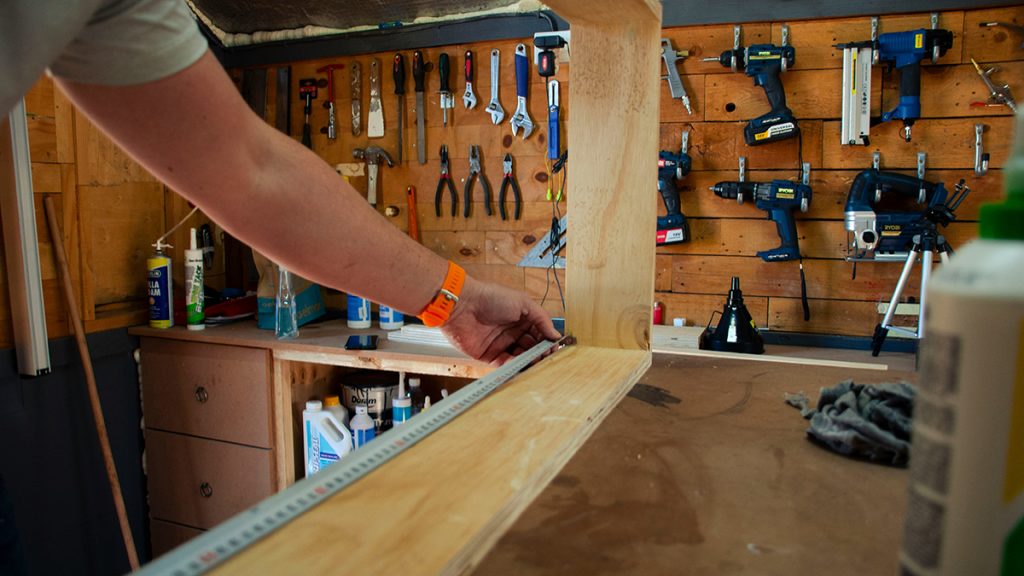
In a small garage or a packed professional workshop, space is the ultimate premium. Heavy woodworking and metalworking machinery—like table saws, band saws, planers, and jointers—can easily weigh anywhere from 200 to over 800 pounds. Once dropped into place, they usually stay there forever, dictating your entire workshop layout.
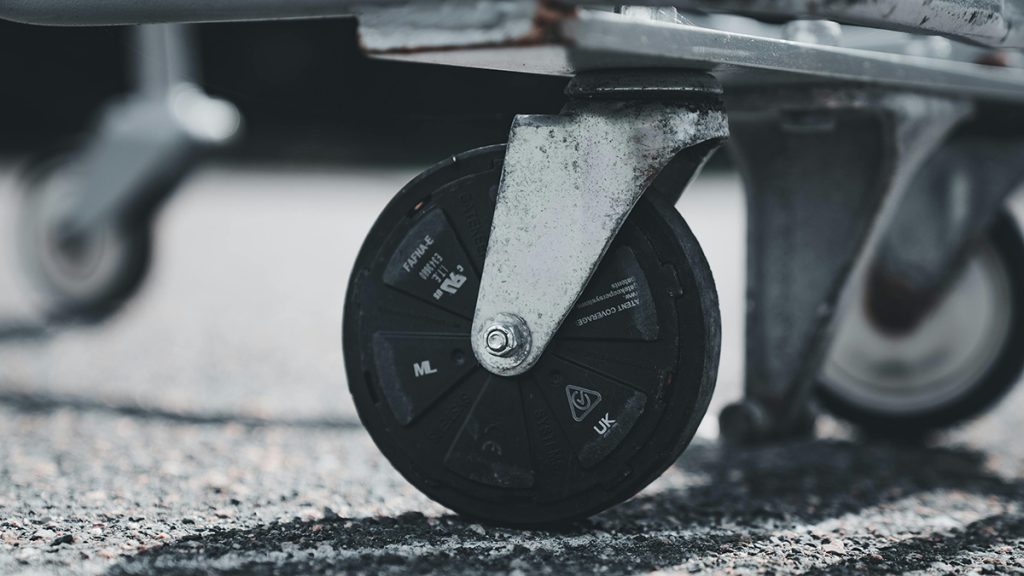
A heavy-duty mobile base changes everything. By placing your stationary power tools on a specialized rolling steel frame, you can effortlessly glide heavy machinery into a tight corner when not in use and roll it out to the center of the room when it’s time to work.
Here is a review of the best mobile bases for heavy machinery, broken down by type to help you reclaim your workshop floor space.
The Top Mobile Bases for Workshop Machinery
Mobile bases generally fall into two categories: Universal/Adjustable Bases (which can be configured to match the exact footprint of almost any machine) and Heavy-Duty Industrial Bases (built for maximum weight capacity and extreme durability).
1. BORA Portamate PM-2500 Universal Mobile Base
The BORA PM-2500 is widely considered the gold standard for standard workshop upgrades due to its tool-free adjustability and smooth foot pedals.
-
Weight Capacity: 650 lbs
-
Footprint Adjustability: Squares from 12×12 inches up to 36×36 inches, or rectangles up to 20×52 inches.
-
The Highlights: Built with solid steel corner brackets and hard rubber wheels, it handles medium-to-heavy table saws and band saws with ease. The foot-operated levers use a simple flip-down mechanism: step down to lift the machine onto its wheels, and flip them up to drop the base firmly back onto its non-skid rubber feet.
-
Best For: Woodworkers looking for a highly versatile, reliable mobile base for standard-sized heavy machinery.
2. HTC HTC-2000 Adjustable Universal Mobile Base
If you are watching your budget but still need to mobilze heavy gear like sanders, drill presses, or smaller band saws, the HTC-2000 offers incredible value.
-
Weight Capacity: 500 lbs
-
Footprint Adjustability: Expands from 12×12 inches up to 36×36 inches.
-
The Highlights: This low-profile base keeps your machine close to the floor, meaning it won’t significantly alter your tool’s comfortable working height. It features side-gliding foot levers and durable polymer wheels that roll smoothly over clean concrete.
-
Best For: Budget-conscious DIYers looking to mobilize mid-sized machinery under 500 pounds.
3. BORA Portamate PM-3500 Industrial Mobile Base
For massive, industrial-grade equipment that causes standard mobile bases to bow or flex, the PM-3500 is an absolute tank.
-
Weight Capacity: 1,500 lbs
-
Footprint Adjustability: Highly customizable steel rails adjust up to 36×36 inches (or up to 20×52 inches).
-
The Highlights: Featuring all-steel construction and massive ball-bearing casters, this base can handle your heaviest cabinet saws and 15-inch planers. It uses an incredibly robust, dual-lever foot pedal system that lifts massive loads with minimal physical effort.
-
Best For: Professional shops and serious woodworkers dealing with heavy cast-iron machinery weighing up to 1,500 pounds.
Direct Comparison Matrix
| Model | Weight Capacity | Max Square Size | Wheel Material | Best For |
| BORA PM-2500 | 650 lbs | 36 x 36 inches | Hard Rubber | Standard table saws & band saws |
| HTC HTC-2000 | 500 lbs | 36 x 36 inches | Durable Polymer | Drill presses, jointers & tight budgets |
| BORA PM-3500 | 1,500 lbs | 36 x 36 inches | Heavy-Duty Polyurethane | Industrial cast-iron cabinet saws & planers |
How to Safely Set Up Your Mobile Base
Setting up a mobile base incorrectly can cause a top-heavy machine to tip over, resulting in catastrophic tool damage or severe injury. Follow this logical sequence for a safe installation:
Key Features to Look For Before Buying
-
Machine Working Height: Every mobile base raises your tool slightly off the ground (usually by 1 to 2 inches). If you are tall or have customized outfeed tables, choose a low-profile base like the HTC-2000 to keep the machine’s factory height as close to original as possible.
-
Wheel Material and Shop Debris: Hard plastic wheels can get stuck on tiny wood chips or extension cords, abruptly stopping a 400-pound moving machine. Look for polyurethane or high-grade rubber casters that can easily roll over minor shop debris.
-
Locking Stability: A mobile base must roll easily, but it must be absolutely rock-solid when parked. Ensure the base you choose lowers the machine directly onto stationary rubber feet rather than relying on flimsy wheel locks.
Best Rolling Workbenches for Garage Shops: Top 5 Picks for Mobility and Power
Amazon Disclaimer:
As an Amazon Associate, I earn from qualifying purchases. This means that if you click on certain links within this post and make a purchase, I may receive a small commission at no additional cost to you. This helps support the site and allows us to continue creating high-quality DIY content.