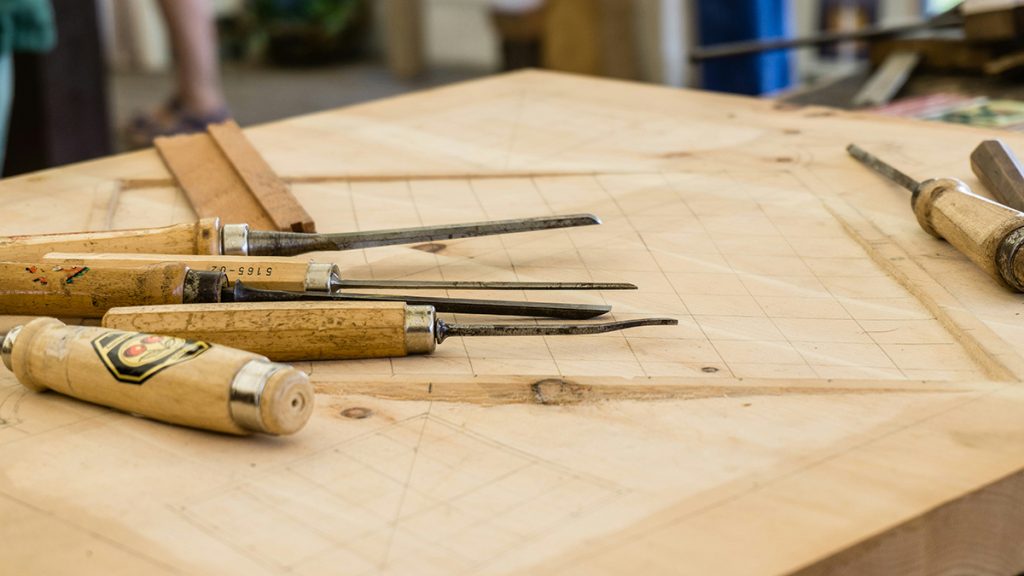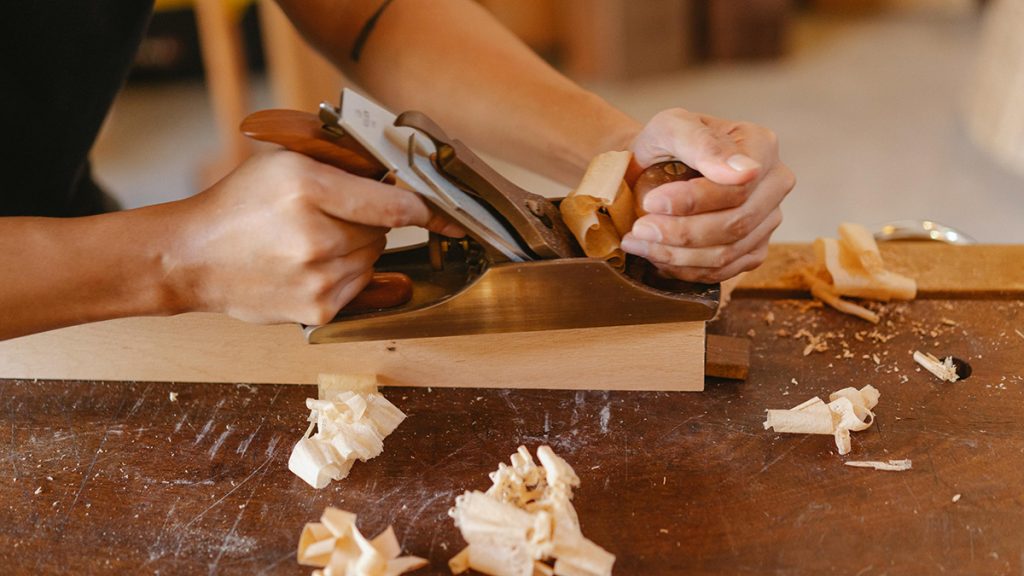
In woodworking, there is an old saying: “A sharp tool does what you want it to do; a dull tool does what it wants to do.” Whether you are chopping out a crisp mortise with a chisel or smoothing a figured hardwood board with a hand plane, a razor-sharp edge is absolutely essential.
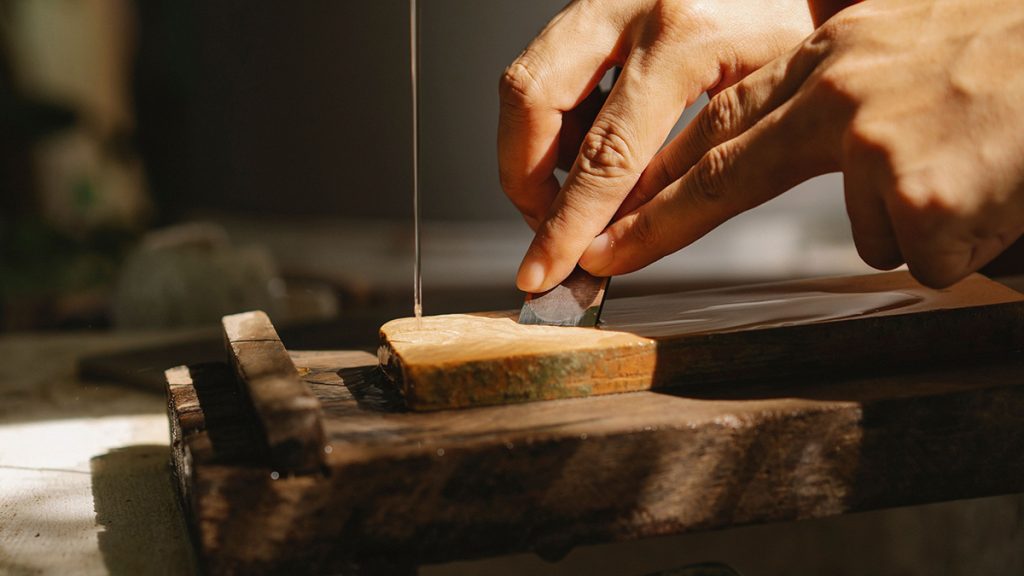
Trying to sharpen these tools completely by hand (freehand) is incredibly difficult. Even a microscopic wobble of your wrist while moving across a sharpening stone will round over the cutting edge, destroying the precise bevel angle.
The secret to effortless, scary-sharp tools is a honing guide. These mechanical clamps hold your chisel or plane blade at a dead-consistent, locked-in angle against your water stones or diamond plates. By completely eliminating human error, a honing guide allows you to achieve a mirror-polished, razor edge in a matter of minutes.
Here is a review of the best honing guides available for precision edge tool maintenance.
The Top Honing Guides for Woodworking Tools
Honing guides generally fall into two categories: Side-Clamping Guides (which grip the blade by its edges and excel at holding narrow chisels) and Top-Clamping Guides (which press down on the face of the blade, ideal for wide plane irons).
1. Veritas MK.II Deluxe Honing Guide
Widely considered the ultimate engineering standard for professional woodworkers who demand absolute geometric perfection.
-
Clamping Style: Top-clamping
-
Angle Range: 15° to 54° (including a built-in micro-bevel feature)
-
The Highlights: The MK.II features a revolutionary registration jig that squares the blade automatically and sets the exact projection length for your desired angle. It boasts a wide brass roller wheel that provides incredible stability across your sharpening stones, preventing the blade from tipping. A simple turn of an onboard knob instantly adjusts the angle by 1 to 2 degrees to cut a flawless micro-bevel.
-
Best For: Woodworkers who want a highly precise, versatile system that handles a vast array of different plane irons and standard chisels.
2. Eclipse-Style Side-Clamping Honing Guide (The Reliable Classic)
The time-tested, budget-friendly design that has been a staple of woodworking shops for generations. Brands like Robert Larson and ATOMUS manufacture excellent modern versions of this design.
-
Clamping Style: Side-clamping dovetail jaws
-
Angle Range: Standard 25° and 30° angles
-
The Highlights: This guide features a simple dual-jaw clamping mechanism. The upper jaws grip wide plane blades, while the lower stepped jaws securely lock narrow chisels down to 1/8 inch wide. Because it clamps from the sides, it ensures that your blade edge stays perfectly parallel to the sharpening stone. It is incredibly rugged, inexpensive, and simple to use.
-
Best For: Beginners, hobbyists, and woodworkers looking for an affordable, indestructible tool that excels at sharpening chisels.
3. Lie-Nielsen Honing Guide
For luxury tool enthusiasts and traditional furniture makers who want an elite, heirloom-quality hand tool made from premium materials.
-
Clamping Style: Side-clamping (with interchangeable jaw inserts)
-
Angle Range: Fixed by blade projection length
-
The Highlights: Beautifully machined from solid stainless steel and bronze, this guide offers zero jaw flex or slop. It features a sleek, low profile that provides exceptional tactile feedback, allowing you to feel exactly how the steel interacts with your finest polishing stones. Lie-Nielsen offers specialized jaw sets specifically tailored for skewed chisels, mortise chisels, and short blades.
-
Best For: Professionals and high-end furniture makers who demand premium materials, zero tolerances, and ultimate rigidity.
Direct Comparison Matrix
| Model | Clamping Profile | Roller Wheel Style | Micro-Bevel Feature? | Best For |
| Veritas MK.II | Top-Clamping | Ultra-Wide Brass Roller | Yes (Integrated Knob) | Wide plane irons & foolproof angle registration |
| Eclipse-Style | Side-Clamping | Narrow Center Wheel | No (Manual Adjustment) | Budget-friendly value & everyday chisels |
| Lie-Nielsen Guide | Side-Clamping | Wide Fixed Roller | No (Manual Adjustment) | Elite precision, heavy mortise chisels & durability |
Step-by-Step Setup: The Perfect Sharpening Sequence
To achieve a true mirror edge, your blade must sit perfectly square in the guide. Follow this logical sequence to completely eliminate asymmetrical, crooked edges:
Pro Tips for Pristine Sharpening Results
-
Avoid the Center Wheel Groove: Cheaper Eclipse-style guides use a narrow center wheel that can wear a deep groove or valley right down the middle of soft water stones over time. To prevent this, actively use the entire surface of your stone by zig-zagging the guide from side to side during your sharpening strokes.
-
The Ruler Trick for Plane Irons: When polishing the flat back of a plane iron on your finest finishing stone, place a thin metal ruler along the opposite edge of the stone. Rest the back of the blade on the ruler and the cutting edge on the stone. This creates a microscopic 1-degree back-bevel that removes the burr instantly, saving you hours of flattening time.
-
Keep It Lubricated: Honing guides are constantly exposed to water, oil, and highly abrasive metal slurry slurry. After every sharpening session, rinse your guide thoroughly under clean water, dry it off, and apply a quick drop of light machine oil or 3-in-One oil to the roller bearings and clamping threads to prevent rust and binding.
Amazon Disclaimer:
As an Amazon Associate, I earn from qualifying purchases. This means that if you click on certain links within this post and make a purchase, I may receive a small commission at no additional cost to you. This helps support the site and allows us to continue creating high-quality DIY content.