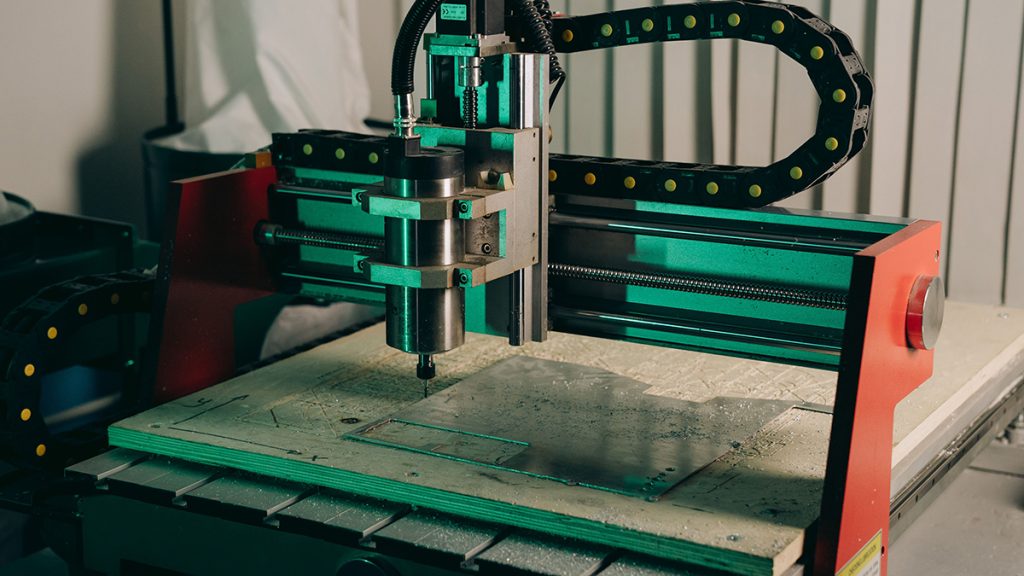
Owning a hobbyist or industrial CNC (Computer Numerical Control) router is an incredible upgrade for any modern workshop. However, anyone who has ever run a 3D carving profile or carved out a large batch of cabinet components knows that CNC machines are absolute dust monsters. A single spiral upcut router bit spinning at 18,000 RPM creates a high-velocity hurricane of fine wood dust and sharp acrylic chips that will coat your entire shop, settle into your lungs, and jam your machine’s expensive linear rails within minutes.
Standard workshop air filtration systems simply cannot keep up with this volume of debris. To capture the mess right at the source, you need a high-efficiency CNC dust boot (sometimes called a dust shoe). Attached directly to your spindle or Z-axis carriage, this specialized shroud channels your dust collector’s raw suction power directly around the spinning bit, sealing off the cut zone and keeping your workspace pristine.
Here is a review of the best CNC dust boots engineered to deliver maximum extraction and hassle-free tool changes.
The Top CNC Dust Boots Reviewed
When selecting a dust boot for your CNC setup, prioritize three core features: magnetic split-body design (for quick bit access), independent Z-axis tracking (so the boot doesn’t mash down into your material during deep plunges), and high-flex bristle curtains that glide smoothly over varying material heights.
1. Suckit Dust Boot by Onefinity CNC
Widely considered the ultimate engineering benchmark for desktop and mid-sized CNC routers due to its independent Z-axis movement.
-
Mounting Style: Independent Z-axis rail mount (Fixed height relative to material)
-
Material Construction: Clear, high-impact polycarbonate
-
The Highlights: Traditional dust boots clamp directly onto the spinning spindle, meaning the boot moves up and down with the bit. When carving deep pockets, the bristles can get crushed completely flat, choking your airflow. The Suckit boot solves this beautifully by mounting directly to the outer X-carriage rails instead. You set the boot height once to lightly skim the top of your material, and it stays perfectly level while the spindle plunges up and down independently inside it.
-
Best For: Woodworkers executing deep pocket carving, 3D profiling, and high-volume sheet routing where bristle crushing is a major issue.
2. Axiom Precision CNC Magnetic Dust Shoe
An elite, heavy-duty industrial option engineered for maximum durability and effortless, tool-free access to your router chuck.
-
Mounting Style: Spindle collar clamp with a magnetic split-body shoe
-
Material Construction: Heavy cast-aluminum collar with a crystal-clear acrylic shoe
-
The Highlights: Axiom utilizes an incredibly powerful array of rare-earth neodymium magnets to tie the upper mounting collar to the bottom bristle shoe. When it’s time to change a bit or set your Z-zero touch plate, you don’t have to break out Allen wrenches or struggle with tight hose clamps. You simply pull the lower bristle shoe off with a firm tug, swap your bit, and snap it back on instantly—the magnets align it perfectly every single time.
-
Best For: Production shops and makers who perform frequent tool bit changes and demand heavy-duty, robust hardware.
3. Pwqtyic CNC Magnetic Transparent Dust Boot
The undisputed favorite for budget-conscious hobbyists running desktop setups like the Genmitsu 3018, Shapeoko, or X-Carve.
-
Mounting Style: Friction-fit spindle mount with a magnetic quick-release base
-
Material Construction: Transparent injected composite
-
The Highlights: Pwqtyic delivers an incredibly functional, magnetic split-body dust boot at an unbeatable price point. It features completely transparent walls, which gives you clear sightlines to watch your bit plunge into the material and verify your toolpaths in real-time. It uses a dense, ultra-flexible 70mm nylon brush curtain that seals tightly against raw plywood and uneven timber slabs without dragging or binding.
-
Best For: Hobbyists, beginners, and home makers using compact desktop CNC routers looking for an affordable, highly visual upgrade.
4. CNC Depot Quick-Change “Spindle-Mount” Dust Shoe
A highly specialized, low-profile performance option designed for high-end automatic tool changer (ATC) systems and heavy industrial spindles.
-
Mounting Style: Heavy-duty spindle body clamp
-
Material Construction: High-density polyethylene (HDPE) and aircraft aluminum
-
The Highlights: Engineered for heavy manufacturing environments, this dust shoe features an ultra-short, rigid profile that maximizes the static suction velocity of industrial dust collection lines. The shoe uses a unique flexible rubber skirt instead of traditional nylon bristles, which completely eliminates the risk of fine nylon hairs getting tangled up inside high-speed auto-tool-changing carousels or gripping tight profiles.
-
Best For: Commercial manufacturing setups running high-end ATC spindles and automated production lines.
CNC Dust Boot Core Comparison Matrix
| Model | Mounting Profile | Z-Axis Movement Type | Structural Material | Key Advantage |
| Suckit Boot | Independent Rail Mount | Fixed to material (Spindle moves freely) | Clear Polycarbonate | Bristles never crush during deep plunges |
| Axiom Precision | Spindle Clamp | Moves with Spindle | Cast Aluminum / Acrylic | Industrial durability & magnetic snap-off |
| Pwqtyic Shoe | Spindle Clamp | Moves with Spindle | Transparent Composite | Transparent sightlines & exceptional value |
| CNC Depot ATC | Spindle Body Mount | Moves with Spindle | HDPE / Aircraft Aluminum | Rubber skirt prevents tool-changer tangles |
The Precision CNC Setup and Zeroing Sequence
Operating a CNC machine with a dust boot requires a specific setup sequence. If you install the boot prematurely, you won’t be able to accurately calibrate your tool’s starting coordinates. Follow this precise workshop sequence before clicking “Cycle Start” on your controller:
3 Vital Rules for CNC Dust Collection Efficiency
-
Never Use a Standard Shop Vac for Large Rips: Running a large-diameter flattening bit or a 1/4-inch compression bit through sheet goods creates a massive volume of large wood chips. A standard home shop vacuum has high static pressure but lacks the CFM (Cubic Feet per Minute) air volume required to clear these heavy chip clouds out of a wide 2.5-inch or 4-inch dust boot. To keep the boot from clogging up instantly, connect it to a dedicated 1 HP or higher workshop dust collector.
-
Ground Your Dust Hose Against Static Build-Up: Friction from millions of tiny wood particles flying through a plastic hose generates an immense amount of static electricity. If your hose isn’t grounded, this static charge can discharge directly through your CNC machine’s metal frame, sending electronic static interference into your stepper motor wires and causing the machine to lose its coordinate tracking or stop mid-cut. Wrap a bare copper wire through the interior or exterior of your hose and tie it straight to your shop’s ground line.
-
Watch the Bristle Length When Choosing Bits: Always match your router bit projection length to your dust boot’s bristle length. If you use a very short stubby bit paired with extra-long 3-inch bristles, the bristles will slam down and bunch up under the shoe, blocking your extraction airflow completely and occasionally getting caught in the spinning bit. Keep a spare, shorter bristle shoe or trim your brush skirt down so that the bristles extend exactly 1/4-inch past the tip of your bit when relaxed.
Amazon Disclaimer:
As an Amazon Associate, I earn from qualifying purchases. This means that if you click on certain links within this post and make a purchase, I may receive a small commission at no additional cost to you. This helps support the site and allows us to continue creating high-quality DIY content.