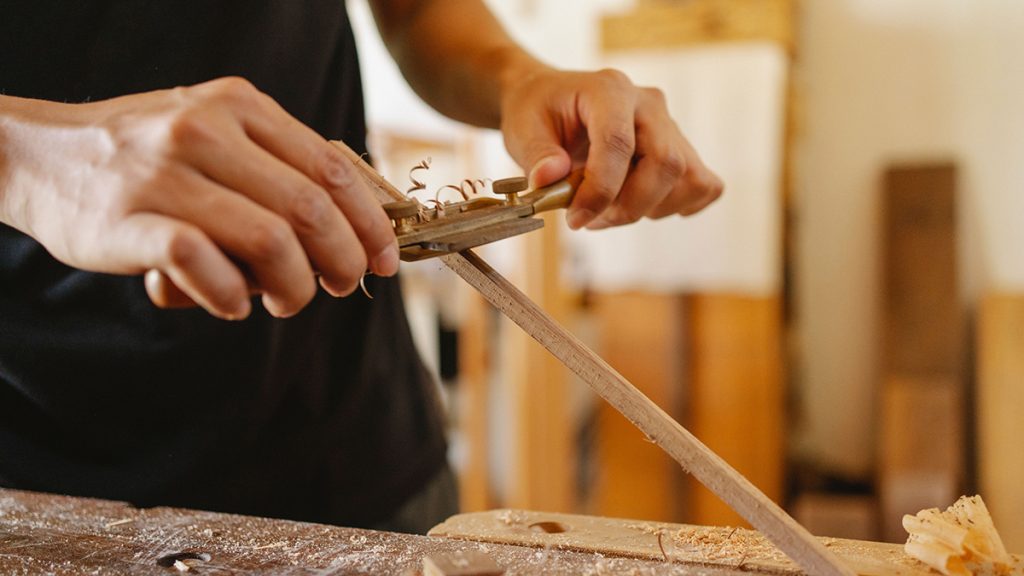
When your woodworking projects move beyond straight lines and flat panels into the realm of organic, sweeping curves, standard bench planes and chisels quickly hit their limitations. Whether you are shaping custom chair rockers, carving elegant cabriole legs, tapering a set of canoe paddles, or handcrafting boutique musical instruments, you need a tool that can navigate fluid contours with absolute control.
Enter the spokeshave.
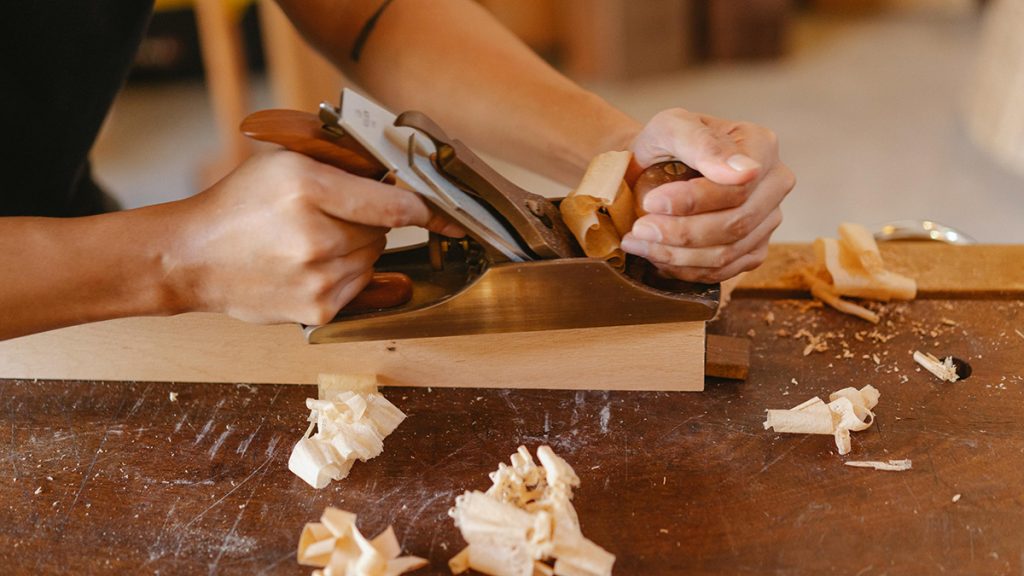
Historically used by wheelwrights to shape wooden wheel spokes, the spokeshave is essentially a compact hand plane bracketed between two wing handles. Because it features a highly shortened sole plate, it can follow dips, ridges, and valleys without getting stuck. It allows you to feel the wood fibers directly, peeling off beautiful ribbon-like shavings to transform a rough bandsawn blank into a perfectly flowing geometric curve.
However, selecting the wrong spokeshave configuration for your specific curve profile will result in severe grain tear-out, tool chatter, or a complete inability to track the line. Here is a review of the best spokeshaves for shaping curved wood, along with the critical geometry rules you must follow.
The Fundamental Anatomy: Flat Sole vs. Round Sole
Before investing in a spokeshave, you must analyze the curvature direction of your workpiece design. Spokeshaves are divided into two primary sole tracking configurations:
-
Flat-Sole Spokeshaves: The bottom sole plate is dead-flat, mimicking a standard bench plane. This layout is highly stable and optimized for smoothing convex (outside) curves, gentle arcs, and flat chamfer bevels. However, if you try to push a flat-sole shave into a tight concave dip, the flat front and back edges of the sole will bridge the gap, preventing the blade from touching the wood fibers.
-
Round-Sole Spokeshaves: The bottom sole plate features a cylindrical, rounded radius profile. This highly specialized geometry allows the tool to dive deep into concave (inside) curves, tight hollows, and chair seat scoops. Because it has a minimal contact footprint, it requires significantly more muscle control and technique to keep it from rocking or gouging.
The Top Spokeshaves Reviewed
1. Veritas Flat Product Flat-Sole Spokeshave
Widely recognized by elite chairmakers and professional woodworkers as the absolute modern gold standard for outside curves and general shaping.
-
Sole Configuration: Flat Sole
-
Body Material: Fully machined ductile iron with PM-V11 tool steel blade
-
The Highlights: Veritas tools are famous for solving traditional tool frustrations. This spokeshave features an adjustable mouth plate that can be shimmed to close down the throat gap, completely eliminating grain tear-out on wild, curly timber. It utilizes a precision dual-knob Norris-style adjustment system, allowing you to alter your blade depth and lateral alignment simultaneously with microscopic precision.
-
Best For: Shaping long cabriole legs, custom tool handles, paddle shafts, and smooth exterior curves.
2. Lie-Nielsen Boggs SpokeShave (Round Sole)
An heirloom-quality classic engineered in collaboration with legendary chairmaker Brian Boggs, optimized for high-volume concave contours.
-
Sole Configuration: Round Sole (Small, fluid radius)
-
Body Material: Precision cast bronze with a cryo-treated A2 steel blade
-
The Highlights: The Lie-Nielsen Boggs shave features a heavy, solid bronze body that dampens vibration and absorbs tracking chatter beautifully. The thick A2 steel blade sits on a precision-machined bed, eliminating any flexing or blade shuddering when slamming into dense hardwood end grain. The handles are perfectly swept for comfortable, ergonomic control during long shop sessions.
-
Best For: Deep Windsor chair seat scoops, inside arches, and intricate musical instrument making.
3. Stanley Sweetheart No. 12-136 Spokeshave
An exceptional, budget-friendly middle-ground contender that brings a historic premium line back to life for intermediate hobbyists.
-
Sole Configuration: Flat Sole (Comes with interchangeable base plates)
-
Body Material: Ductile iron casting with solid brass adjustment hardware
-
The Highlights: Stanley’s Sweetheart line offers fantastic value metrics. This model features a heavy, durable casting with an adjustable cutter mechanism that mirrors traditional Stanley 151 layouts. It utilizes a thick, high-performance A2 steel blade that holds a razor-sharp edge significantly longer than cheap carbon steel alternatives.
-
Best For: Hobbyists and weekend furniture crafters looking for premium adjustment features at an approachable price point.
4. WoodRiver Adjustable Spokeshave (Model 151 Style)
A highly reliable, rugged workshop workhorse designed for contractors and carpenters who need immediate, tool-free field adjustments.
-
Sole Configuration: Flat Sole
-
Body Material: Cast iron body with dual knurled steel adjustment thumbwheels
-
The Highlights: WoodRiver delivers incredible industrial value. Modeled after the timeless Stanley 151 design, this shave features dual knurled thumbscrews that push or pull the blade directly from the top. This open setup makes it incredibly easy to back the blade out if you hit a resinous knot or push it forward for rapid material removal during rough profiling.
-
Best For: Trim carpenters, beginners building their first workbench setup, and rough wood profiling.
Spokeshave Selection Comparison Matrix
The Flawless Curved Shaving Sequence
Spokeshaves are highly sensitive to grain direction. If you shove a spokeshave against the natural orientation of the wood fibers, the blade will dive beneath the grain, splitting out huge chunk blemishes. Follow this strict directional tracking sequence to guarantee a mirror-smooth curve:
3 Vital Rules for Spokeshave Maintenance and Longevity
-
Never Push a Round-Sole Shave Like a Flat One: When using a flat-sole spokeshave, the flat base acts as a built-in guide that sets the depth automatically. A round-sole spokeshave has no flat reference pad—it functions like a rock on a hard surface. To cut effectively with a round sole, you must continuously pivot and roll your wrists as you move along the curve to keep the cutting edge engaged at the correct pitch. Practice on scrap pine blocks before moving to your final project workpiece.
-
Keep the Bedding Area Clean of Sap Packings: Fine wood dust mixed with sticky wood pitch can rapidly pack inside the internal iron bed right beneath the lever cap assembly. If this debris builds up, it shifts the pitch of the blade, causing the tool to skip, chatter, or slide uselessly across the wood. Remove the lever cap once a week, sweep out the internal chamber with a stiff nylon utility brush, and apply a drop of light machine oil to the threads to keep everything tracking smoothly.
-
Guard Against Rust Immediately: Because your thumbs press directly onto the raw cast-iron or bronze body shrouds for hours, the salt and moisture from your skin will accelerate tool oxidation. When your workshop session ends, always spray a clean shop rag with a light moisture-repelling machine oil (such as Camellia oil or light mineral oil) and wipe down all the metal faces to seal the iron from ambient humidity.
Amazon Disclaimer: As an Amazon Associate, I earn from qualifying purchases. This means that if you click on certain links within this post and make a purchase, I may receive a small commission at no additional cost to you. This helps support the site and allows us to continue creating high-quality DIY content.