A “natural look” finish is the hallmark of high-end custom furniture. While polyurethanes create a protective “shell” over the wood, oils like Danish Oil, Tung Oil, and Hardwax Oils (like Rubio Monocoat) bond with the wood fibers. This results in a matte or satin sheen that highlights the grain without making the wood look like it’s encased in plastic.
The secret to a flawless oil finish isn’t in the brush—it’s in the preparation and the “wipe-off” technique. Here is how to achieve a professional, natural finish that is both durable and beautiful.
Choosing the Right Oil
| Oil Type | Sheen Level | Durability | Best For |
| Pure Tung Oil | Matte | Medium | Food-safe surfaces / Antiques |
| Danish Oil | Satin | Medium-High | General Furniture / Shelves |
| Hardwax Oil (Rubio) | Ultra-Matte | High | Dining Tables / Floors |
| Boiled Linseed Oil | Low Sheen | Low | Tool handles / Shop fixtures |
Step 1: Surface Preparation (The Most Critical Step)
Oil finish is unforgiving. It acts like a magnifying glass for your mistakes. If you leave a scratch from 80-grit sandpaper, the oil will make it pop.
-
Sand through the grits: Start with 100, then 120, 150, and finish with 180 or 220 grit.
-
Water Popping (Optional but Recommended): For woods like Oak, lightly mist the surface with water. This raises the grain. Once dry, sand lightly with your final grit to “denib” the surface. This ensures the oil absorbs evenly.
-
Dust Removal: Use a vacuum with a brush attachment followed by a tack cloth. Any dust left behind will create a “gritty” feel.
Step 2: Application Technique
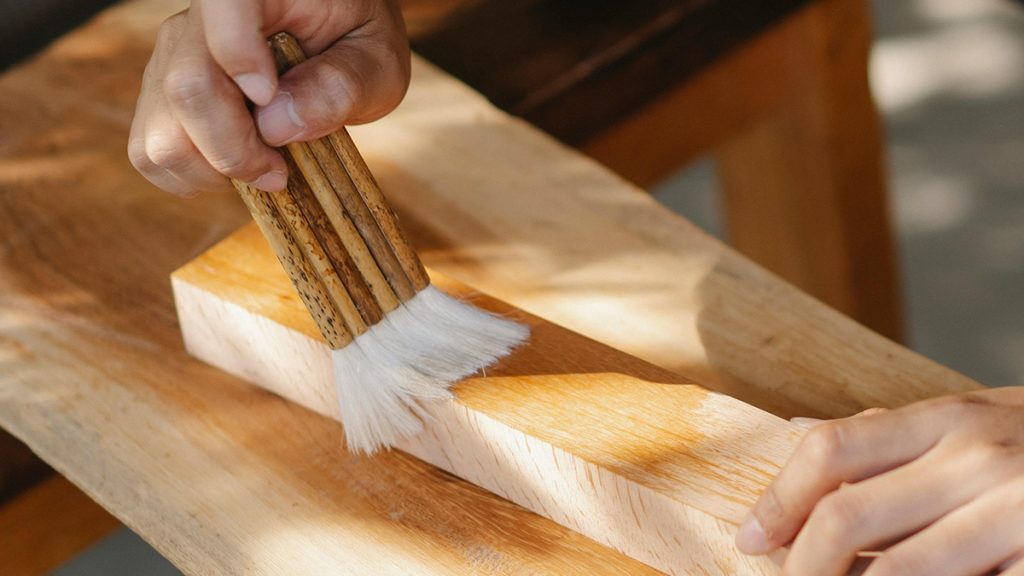
Forget brushes. For oils, a lint-free cotton rag or a white abrasive pad is your best tool.
-
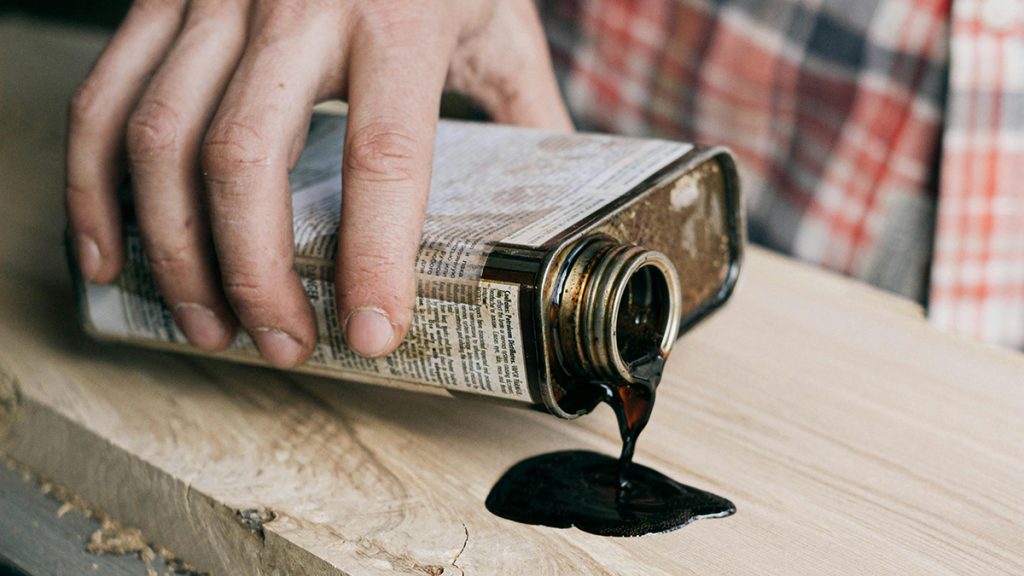
Flood the Surface: Pour a generous amount of oil onto the wood. Spread it evenly. The wood will look “wet.”
-
Watch for “Dry Spots”: End grain and porous sections (like the center of Ash or Elm) will drink the oil quickly. Add more oil to these areas during the first 10–15 minutes.
-
The Wait: Let the oil penetrate for the time specified on the can (usually 15–30 minutes).
Step 3: The Wipe-Off (The Secret to No Stickiness)
The most common mistake is leaving too much oil on the surface.
-
Wipe it dry: Use a clean, dry rag to buff away every bit of excess oil. The surface should feel smooth and look matte, not “puddly.”
-
Check for “Bleeding”: Some woods will “spit back” oil from the pores after a few minutes. Check the project every 30 minutes for the first two hours and wipe away any tiny beads of oil.
Step 4: Building the Sheen (Optional)
If you want a bit more protection and a soft glow:
-
Wait 24 hours for the first coat to dry.
-
Lightly scuff the surface with 0000 Steel Wool or a grey finishing pad.
-
Apply a very thin second coat and wipe off immediately.
⚠️ Critical Safety Warning: Spontaneous Combustion
Oil-soaked rags are a serious fire hazard. As the oil cures, it generates heat (an exothermic reaction). If you bunch up oily rags in a pile, they can catch fire on their own.
-
Rule: Always lay oily rags flat on the shop floor or hang them over a metal rack until they are completely stiff and dry.
-
Storage: Once dry, they can be disposed of, or stored in a UL-listed oily waste can.
3 Tips for a Better Natural Finish
-
Don’t Over-Sand: If you sand up to 400 or 600 grit, you might “burnish” the wood, closing the pores and preventing the oil from soaking in. For most oils, 180–220 grit is the sweet spot.
-
Temperature Matters: Apply oil in a room that is at least $18^{\circ}\text{C}$ (65°F). If it’s too cold, the oil will become thick and won’t penetrate properly.
-
Mix Your Own “Antique” Finish: A 1:1:1 mix of Boiled Linseed Oil, Polyurethane, and Mineral Spirits creates a classic “wipe-on” finish that has the beauty of oil with the protection of poly.
Final Verdict
-
For maximum protection in one coat, use Rubio Monocoat.
-
For the best “depth” and classic feel, choose Watco Danish Oil.
-
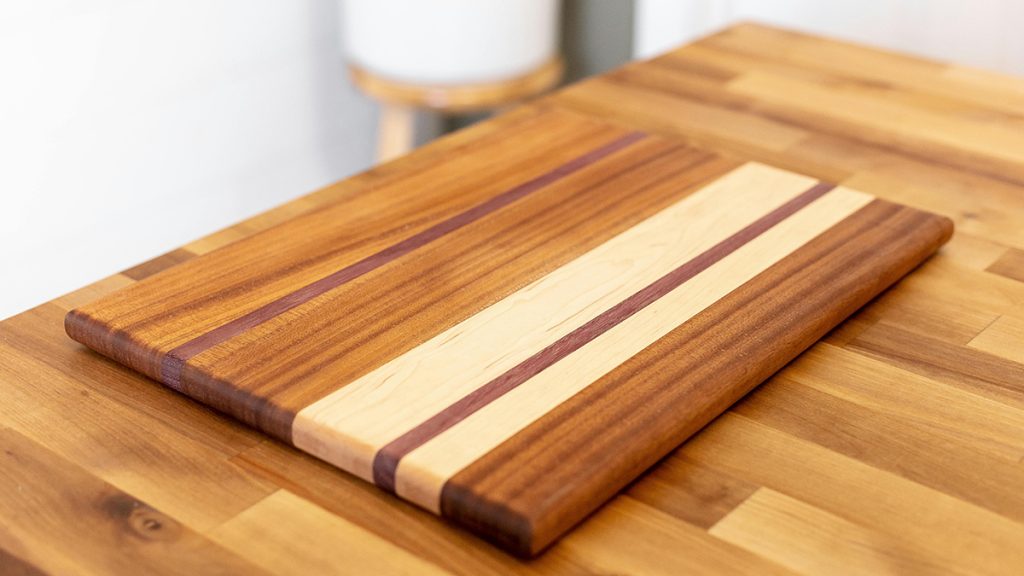
For food-safe surfaces (cutting boards), use Pure Tung Oil.
Read too: Eco-Friendly Wood Finishes: Best Non-Toxic Options
Disclaimer: As an Amazon Associate, I earn from qualifying purchases. Conquer the elements!