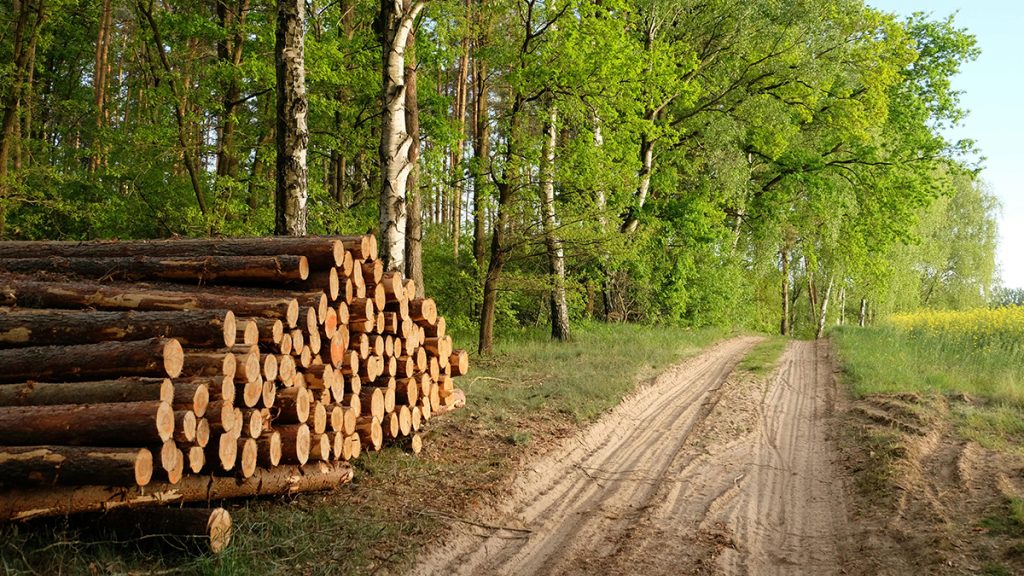
Wood is the ultimate renewable resource, but only if managed correctly. In an era of climate change, “greenwashing” is everywhere. For a woodworker, being eco-friendly means looking beyond the grain and checking for certifications like FSC (Forest Stewardship Council) or PEFC.
Choosing sustainable lumber isn’t just about saving the planet—it’s about ensuring that high-quality wood remains available for the next generation of builders. From fast-growing hardwoods to reclaimed timber, here are the best eco-friendly choices for 2026.
Sustainable Wood Comparison Table
| Wood Species | Growth Rate | Source | Best For |
| Bamboo | Ultra-Fast | Asia (Certified) | Flooring / Modern Panels |
| White Ash / Oak | Moderate | North America / EU | Heavy Furniture / Chairs |
| Black Locust | Fast | Local / Domestic | Outdoor Projects / Decks |
| Douglas Fir | Fast | PNW / Europe | Structural / Modern Decor |
| Reclaimed Wood | N/A | Salvaged Buildings | Rustic Designs / Storytelling |
1. The Fast-Track Hero: Bamboo
Technically a grass, bamboo is the “superfood” of the lumber world. Some species can grow up to 3 feet in a single day, reaching maturity in just 3–5 years compared to 50+ years for an Oak tree.
Why it’s perfect for eco-woodworkers:
Modern “timberized” bamboo is incredibly hard and stable. It’s a great alternative to tropical hardwoods for cutting boards and flooring.
-
Pros: Rapidly renewable; carbon-sequestering powerhouse; high strength-to-weight ratio.
-
Cons: Often requires long-distance shipping; uses resins for bonding (look for low-VOC options).
2. The Domestic Champion: Black Locust
If you’re looking for a sustainable alternative to Ipe or Teak for outdoor furniture, Black Locust is the answer. It’s one of the hardest and most rot-resistant woods in North America and Europe.
Why it’s essential:
It grows quickly, fixes nitrogen in the soil, and can last decades outdoors without any chemical treatment. Using it avoids the carbon footprint of shipping heavy exotic logs across the ocean.
-
Pros: Extremely durable; no need for toxic preservatives; local availability.
-
Cons: Very hard on saw blades; can be difficult to glue.
3. The “Second Life” Choice: Reclaimed Timber
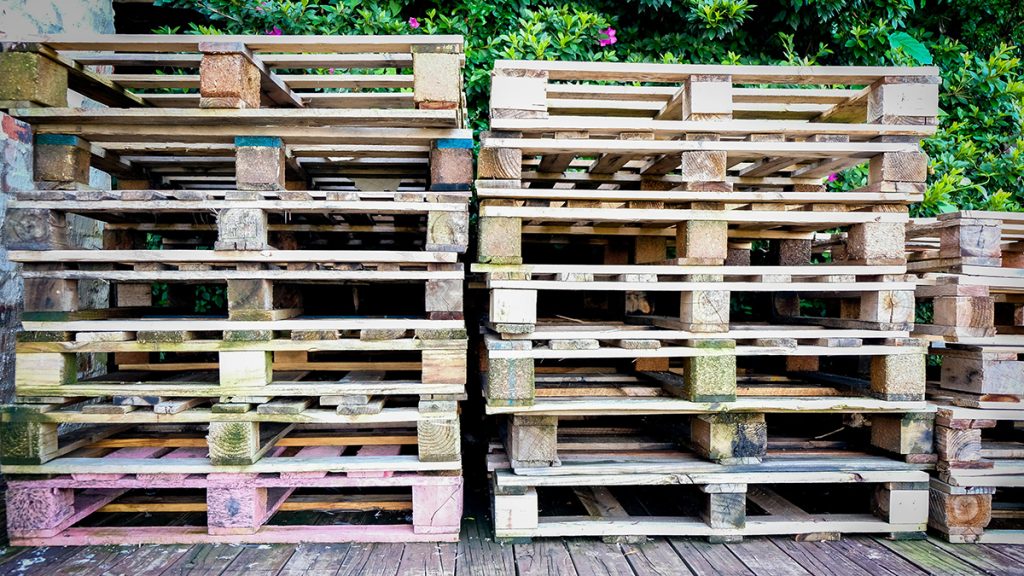
The most sustainable wood is the one that has already been cut. Reclaimed wood from old barns, factories, or shipping pallets keeps waste out of landfills.
Why it’s perfect for woodworkers:
Old-growth timber found in historic buildings has a tight grain density that you simply cannot buy new today. Plus, it’s already “seasoned”—it has spent 100 years drying, making it incredibly stable for farmhouse tables.
-
Pros: Zero new trees cut; unique character and history; superior stability.
-
Cons: Can contain hidden nails (get a metal detector!); labor-intensive to prep.
4. The Reliable Hardwood: FSC-Certified White Oak
Oak is a carbon-neutral staple. When it carries the FSC label, you know the forest is being managed to protect biodiversity and worker rights.
Why it’s essential:
Oak is incredibly durable, meaning the furniture you build will last 100+ years. This “long-life” cycle is a key part of sustainability—building it once is better than replacing cheap particle board every five years.
-
Pros: Widely available; timeless aesthetic; supports healthy forest ecosystems.
-
Cons: Slow growth compared to softwoods; premium price for certified stock.
5. The Structural Powerhouse: Douglas Fir
For modern interior accents or structural beams, Douglas Fir is one of the most abundant and well-managed softwoods in the world.
Why it’s perfect for woodworkers:
It grows tall and straight, replenishing quickly. In 2026, many suppliers offer “thermally modified” Fir, which makes it as durable as hardwood for exterior cladding.
-
Pros: Excellent strength; beautiful straight grain; low carbon footprint (domestic).
-
Cons: Soft surface (dents easily); requires careful finishing to prevent “yellowing.”
3 Tips for Sourcing Eco-Friendly Lumber
-
Buy Local, Think Global: Shipping wood across the world creates massive CO2 emissions. A local sawmill using “urban salvage” (trees removed due to storms or city planning) is the gold standard for sustainability.
-
Look for the Labels: FSC (Forest Stewardship Council) and PEFC are the two main certifications. FSC is generally considered the more rigorous standard for environmental protection.
-
Avoid the “Red List”: Check the CITES list or the IUCN Red List before buying exotic species like Brazilian Rosewood or certain types of Mahogany. If it’s endangered, don’t buy it.
Final Verdict
-
For modern, fast-growing aesthetics, go with Bamboo.
-
For the most sustainable outdoor wood, choose Black Locust.
-
For character and zero-waste building, search for Reclaimed Wood.
Read too: Upcycling Pallets: 5 Best Tools for Fast Disassembling
Disclaimer: As an Amazon Associate, I earn from qualifying purchases. Conquer the elements!