A custom wooden cutting board is more than a kitchen tool; it’s a piece of functional art. But because it comes into direct contact with raw meat, acidic juices, and moisture, the finish you choose is the only thing standing between a hygienic surface and a warped, moldy mess.
The goal for a cutting board finish is simple: it must be food-safe, non-film-forming (so it doesn’t chip into your food), and easy to maintain. Here are the top 5 finishes on Amazon that professionals trust to keep their boards looking sharp and staying safe.
Food-Safe Finish Comparison
| Finish Type | Best For | Durability | Curing Time |
| Pure Mineral Oil | Beginners / Value | Moderate | None (Non-drying) |
| Beeswax/Oil Blend | Daily Maintenance | High | Immediate |
| Pure Tung Oil | Heavy Use / Waterproof | Extreme | 7–30 Days |
| Walrus Oil | Premium Aesthetics | High | 24 Hours |
| Fractionated Coconut Oil | Vegan-Friendly | Moderate | None |
1. The Industry Standard: Food-Grade Mineral Oil
If you go into any professional woodshop, you’ll find a gallon of White Mineral Oil. It is the most common finish because it is inexpensive, odorless, and completely inert.
Why it’s perfect for woodworkers:
Mineral oil penetrates deep into the wood fibers to stop water from seeping in. Unlike vegetable oils, it will never go rancid. It’s the perfect “first soak” for a new butcher block.
-
Pros: Very affordable, impossible to “mess up,” FDA-approved.
-
Cons: It never “dries,” so it washes out over time and requires monthly reapplication.
-
Top Pick: Howard Products Cutting Board Oil.
2. Best for Protection: Butcher Block Conditioner (Wax/Oil Blend)
A liquid oil is great for hydration, but for a true moisture barrier, you need wax. Most premium conditioners blend mineral oil with Beeswax and Carnauba wax.
Why it’s essential:
The wax fills in the knife scars and pores on the surface, creating a “hydrophobic” layer that makes water bead up like it’s on a freshly waxed car. It gives the wood a soft, silky sheen that mineral oil alone cannot achieve.
-
Pros: Long-lasting protection, repairs minor scratches, beautiful satin finish.
-
Cons: Requires a bit of “buffing” with a microfiber cloth.
-
Top Pick: Howard Butcher Block Conditioner.
3. The “Permanent” Choice: Pure Tung Oil
If you want a finish that actually hardens inside the wood, Pure Tung Oil (often called China Wood Oil) is the “king” of food-safe finishes in 2026.
Why it’s essential:
Unlike mineral oil, Tung oil is a “drying oil.” It undergoes a chemical reaction with oxygen to turn from a liquid into a flexible solid. Once cured, it is incredibly water-resistant and won’t wash out in the sink.
-
Pros: Most durable food-safe finish, waterproof, won’t darken wood significantly.
-
Cons: Takes a long time to dry (up to 30 days for a full cure); must be 100% Pure (avoid “Tung Oil Finish” which contains toxic driers).
4. The Modern Favorite: Walrus Oil (Cutting Board Oil)
Despite the name, there are no walruses involved. This is a high-end blend of Coconut Oil, Beeswax, Mineral Oil, and Vitamin E.
Why it’s perfect for woodworkers:
It’s designed to “pop” the grain of dark woods like Walnut and Cherry. It’s thinner than traditional waxes, so it penetrates deep but leaves a smooth, non-greasy finish within 24 hours.
-
Pros: Vegetarian-friendly, amazing scent, stunning visual results on hardwoods.
-
Cons: Pricier than plain mineral oil.
5. The Best Vegan Option: Fractionated Coconut Oil
Standard grocery store coconut oil will go rancid. However, Fractionated Coconut Oil has had the long-chain fatty acids removed, leaving it shelf-stable forever.
Why it’s essential:
It is the best choice for woodworkers who want a 100% plant-based finish without using animal-derived beeswax. It is very light and brings out a natural, “dry” look in the wood.
-
Pros: 100% Plant-based, very thin (easy to apply), tasteless.
-
Cons: Needs more frequent reapplication than wax-based blends.
3 Tips for a Perfect Finish
-
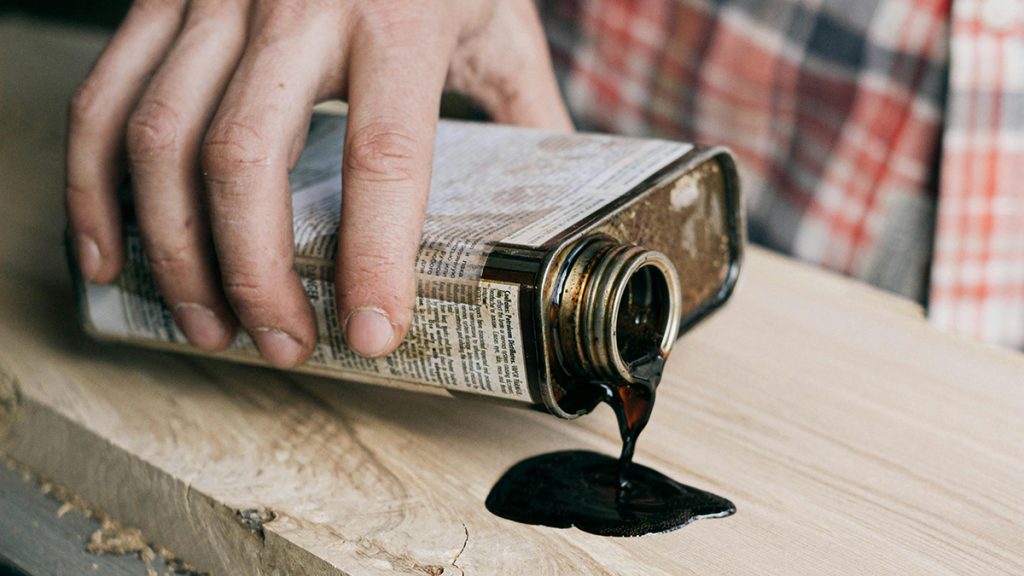
The “Soak and Wipe” Method: For a new board, don’t just wipe on a thin layer. Pour the oil on generously until the wood stops “drinking” it. Let it sit overnight, then wipe off the excess in the morning.
-
Raise the Grain: Before applying your first coat of oil, wipe the board with a damp cloth to “raise the grain.” Let it dry, then do a final sanding with 320-grit. This ensures the board stays smooth even after its first washing.
-
Never Use Olive Oil: Avoid any cooking oils (Olive, Vegetable, Canola). They will oxidize and create a sticky, foul-smelling film that can harbor bacteria.
Final Verdict
-
For maximum protection, use a Mineral Oil soak followed by a Beeswax Conditioner.
-
For a one-and-done durable finish, invest the time in Pure Tung Oil.
-
For the best-looking gift boards, go with Walrus Oil.
Read too: Polyurethane vs. Lacquer: Which Wood Finish is Best for Your Project?
Disclaimer: As an Amazon Associate, I earn from qualifying purchases. Conquer the elements!