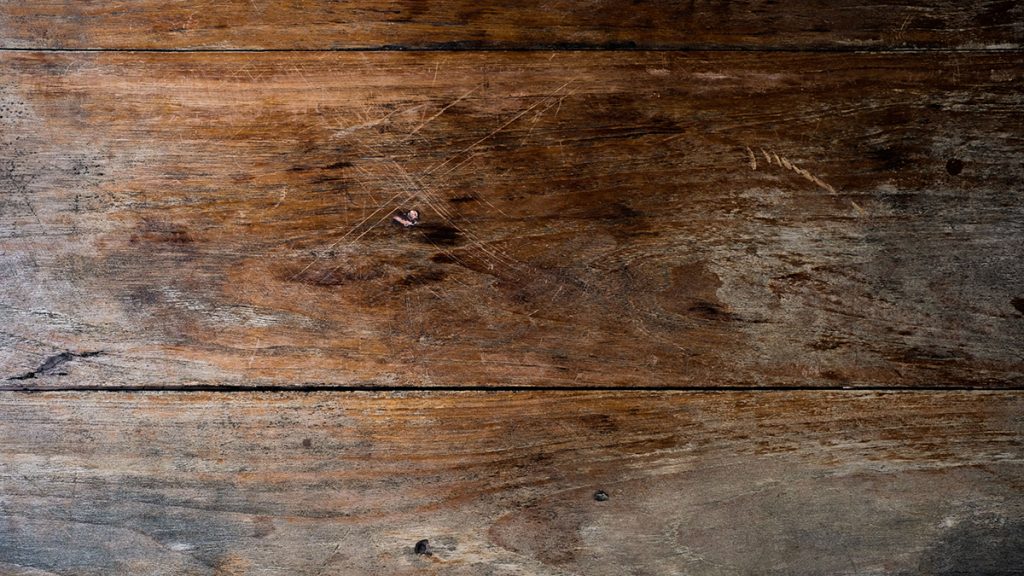
Few things hurt more than watching a dropped set of keys, a sliding ceramic mug, or a pet’s claws leave a bright, jagged scratch right across the top of your beautifully finished wood furniture or flooring.
Before you panic and assume you need to sand the entire piece down to bare wood and re-finish it from scratch, take a closer look. Wood finishes—like polyurethane, lacquer, shellac, and varnish—act as a protective shield. In many cases, the scratch is entirely contained within this clear top coat, leaving the actual wood underneath completely untouched.
Here is a guide on how to assess the damage and use the right DIY techniques to erase scratches from finished wood.
Step 1: Assess the Depth of the Scratch
Before choosing a repair method, you need to know exactly how deep the damage goes. Take a clean finger and gently run your fingernail perpendicular across the scratch.
-
Surface Scratches (Clear Coat Only): Your fingernail glides over the scratch smoothly or barely catches. The color of the wood beneath hasn’t changed.
-
Medium Scratches (Through the Finish): Your fingernail clearly catches in the groove. The scratch looks slightly lighter or white because the finish has fractured, but you can’t see raw, uncolored wood fibers.
-
Deep Gouges (Into the Raw Wood): Your fingernail drops deeply into a trench. You can clearly see a pale, raw wood color, meaning the scratch has cut straight through the finish and the factory stain.
Repair Matrix by Damage Severity
| Damage Type | Best Solution | Common Household Remedy | Drying / Cure Time |
| Surface Scratch | Fine steel wool + Paste wax | Walnut meat or coconut oil | 10–15 minutes |
| Medium Scratch | Felt-tip furniture markers | Colored wax crayon filler | Instant |
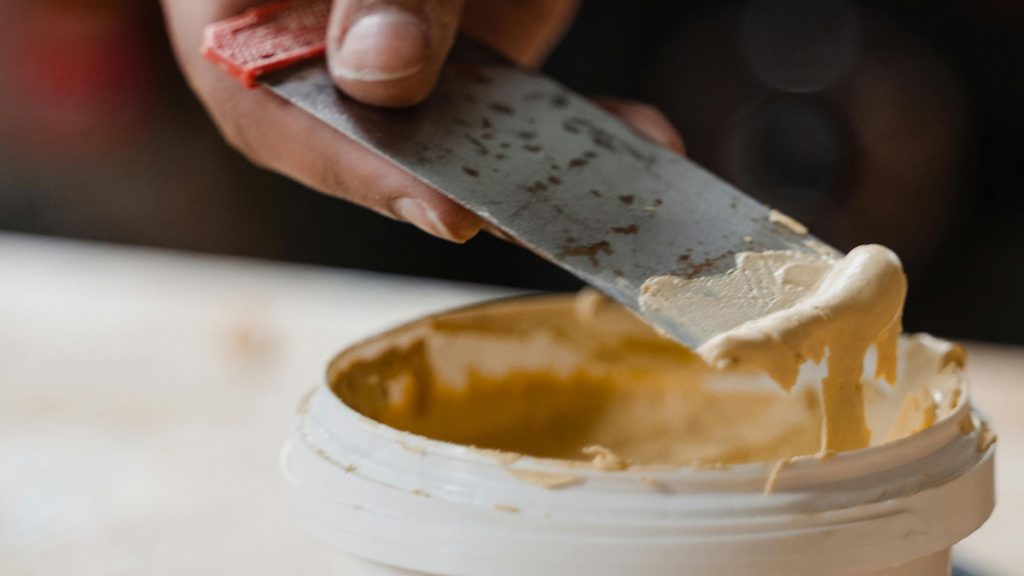
| Deep Gouge | Colored wood epoxy/putty | Burn-in stick or wood filler stick | 2–4 hours |
How to Fix Scratches Step-by-Step
Depending on your assessment from Step 1, follow the appropriate procedural sequence below to safely restore your wood’s surface without ruining the surrounding finish.
Method A: Fixing Light Surface Scratches
If the scratch is only in the clear coat, your goal is to blend the fractured finish back into the surrounding area.
Method B: Fixing Deep Gouges That Show Raw Wood
When the scratch has pierced the wood fibers and stripped away the color, you need to replace both the missing wood volume and the color.
Pro Tips for Pristine Repairs
-
The Walnut Trick: For light scratches on open-grained woods like walnut, oak, or mahogany, break a raw walnut meat in half and rub it directly along the scratch. The natural oils in the nut will darken the raw wood fibers, while the soft pulp fills the micro-fissure, making it instantly disappear from sight.
-
Avoid Silicone-Based Polishes: When trying to shine up a repaired surface, avoid cheap aerosol furniture sprays containing silicone. Silicone creates an invisible, slick barrier that penetrates the wood finish, making it nearly impossible to ever apply a fresh layer of real varnish or paint in the future.
-
Test on an Inconspicuous Spot: Wood species react differently to stains and waxes. Always test your furniture marker or wax crayon on the inside of a table leg or the back of a cabinet door first to verify the dried color match.
Amazon Disclaimer:
As an Amazon Associate, I earn from qualifying purchases. This means that if you click on certain links within this post and make a purchase, I may receive a small commission at no additional cost to you. This helps support the site and allows us to continue creating high-quality DIY content.