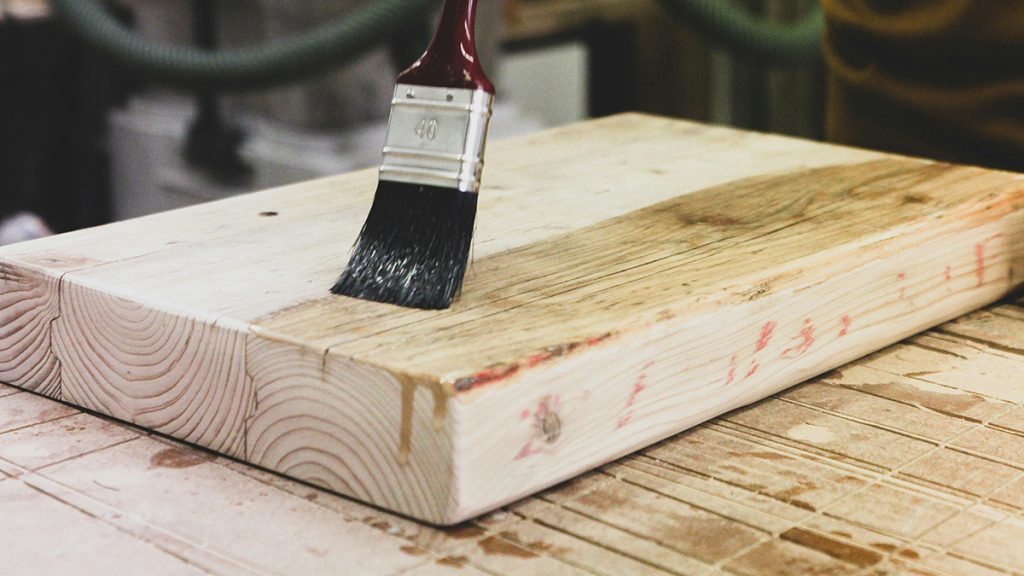
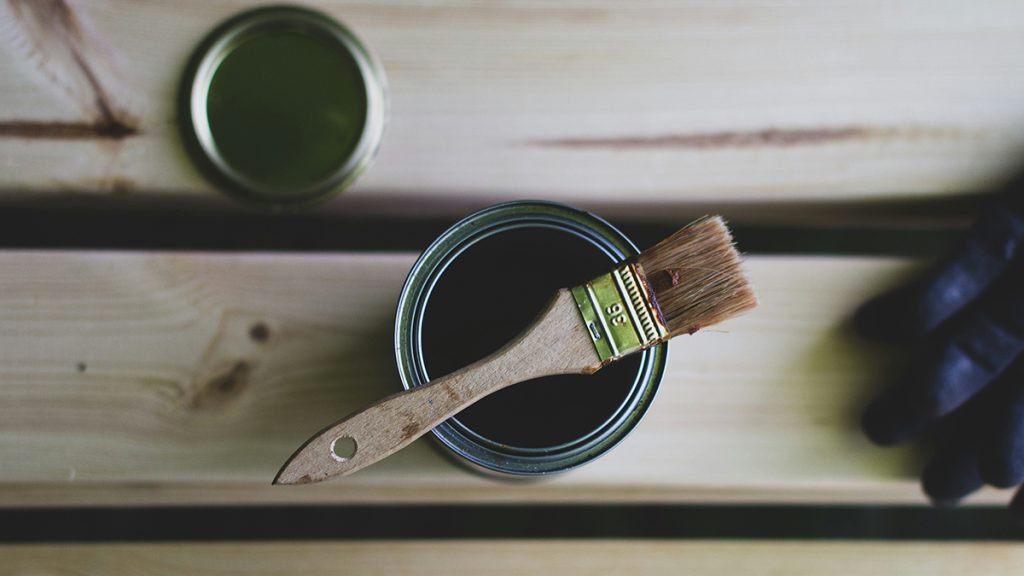
For years, the “smell of a woodshop” was actually the smell of toxic chemicals drying. Traditional polyurethanes and lacquers rely on heavy solvents that can cause headaches and long-term health issues. But today, the trend is shifting toward “biophilic” design—using finishes that are as natural as the hardwood they protect.
Whether you are finishing a crib for a newborn or a dining table for a client with chemical sensitivities, you need a finish that is food-safe, plant-based, and zero-VOC. Here are the top 5 eco-friendly wood finishes on Amazon that offer maximum protection with zero toxicity.
Non-Toxic Finish Comparison
| Finish Type | Base Ingredient | Durability | Best For |
| Tried & True Varnish | Linseed Oil / Resin | High | Furniture / Heirlooms |
| Osmo Polyx-Oil | Sunflower / Soy Oil | Extreme | Floors / High-Traffic |
| Real Milk Paint Tung Oil | 100% Pure Tung | High | Kitchenware / Outdoor |
| Odie’s Oil | Food-Grade Oils/Wax | Exceptional | Art / Sculptures |
| Vermont Natural Coatings | Whey (Milk Protein) | High | Cabinets / Trim |
1. The Traditional Purist: Tried & True Varnish Oil
Tried & True has a simple philosophy: if you can’t eat it, don’t put it on your wood. Their Varnish Oil is a blend of polymerized linseed oil and natural pine resin.
Why it’s perfect for woodworkers: It contains zero heavy metal driers (which are found in almost all “Boiled Linseed Oil”). It is $100\%$ solvent-free and safe for skin contact. It brings out a deep, amber glow in Walnut and Cherry that looks better with every passing year.
-
Pros: Totally non-toxic, easy to apply by hand, beautiful satin sheen.
-
Cons: Longer drying time (at least 24 hours between coats).
2. The High-Tech Natural: Osmo Polyx-Oil
Osmo is a German-made finish that has revolutionized the eco-market. It’s a “Hardwax Oil” made from sunflower, soy, and thistle oils, plus carnauba and candelilla waxes.
Why it’s essential: Unlike film-forming finishes that can crack and peel, Osmo stays flexible. It bonds with the wood fibers, making it incredibly resistant to water, wine, and coffee. It is certified “Toy Safe” and is tough enough for hardwood floors.
-
Pros: Extremely durable, easy to “spot repair” without sanding the whole piece, zero-VOC.
-
Cons: Higher price point than standard oils.
3. The Waterproof King: Pure Tung Oil (Real Milk Paint Co.)
Not to be confused with “Tung Oil Finish” (which is mostly varnish), Pure Tung Oil is a nut oil that provides the best natural water resistance in the world.
Why it’s perfect for woodworkers: It is the ultimate finish for charcuterie boards or outdoor benches. Once cured, it forms a flexible, waterproof seal that won’t turn rancid or moldy. It is $100\%$ plant-based and vegan-friendly.
-
Pros: Waterproof, food-safe, won’t darken wood as much as linseed oil.
-
Cons: Requires 3–5 coats for maximum protection; long “curing” period of 30 days.
4. The One-Coat Wonder: Odie’s Oil
Odie’s Oil has a cult following among furniture makers. It is a highly concentrated blend of oils and waxes with no solvents at all.
Why it’s essential: A little goes an incredibly long way. One small jar can cover dozens of wooden bowls. Because it contains no thinners, nothing evaporates into the air—every drop you put on the wood stays in the wood. It provides a lustrous, professional finish in a single application.
-
Pros: Single-coat efficiency, amazing scent, works on wood, stone, and leather.
-
Cons: Requires significant “buffing” by hand to reach the final sheen.
5. The Dairy Miracle: Vermont Natural Coatings (PolyWhey)
This finish uses Whey protein (a byproduct of cheese making) as a natural binder instead of petroleum-based resins.
Why it’s perfect for woodworkers: It behaves like a traditional water-based polyurethane but without the harsh smell. It dries very fast (under 2 hours), allowing you to finish a whole project in a single afternoon. It is exceptionally clear and won’t “yellow” light woods like Maple or Ash.
-
Pros: Fast drying, very low odor, professional-grade scratch resistance.
-
Cons: Must be applied with a brush or sprayer; cannot be wiped on with a rag.
3 Tips for Using Eco-Finishes
-
Prep is Everything: Natural oils don’t hide scratches; they highlight them. Sand your project up to 320-grit for a buttery-smooth feel before applying any oil.
-
Thin is In: Most people apply too much oil. Apply a thin layer, let it sit for 15 minutes, and then buff away 100% of the excess. If you leave it “wet,” it will become sticky and attract dust.
-
Check the “Cure” Time: “Dry” and “Cured” are different. A finish might feel dry to the touch in 4 hours, but it might take 2 weeks to reach its full hardness. Keep heavy objects off your new table for at least 7 days.
Final Verdict
-
For the safest, most traditional furniture finish, go with Tried & True Varnish Oil.
-
For high-traffic tables and floors, the Osmo Polyx-Oil is unbeatable.
-
For maximum speed and a clear look, try Vermont Natural Coatings PolyWhey.
Read too: Polyurethane vs. Lacquer: Which Wood Finish is Best for Your Project?
Disclaimer: As an Amazon Associate, I earn from qualifying purchases. Conquer the elements!