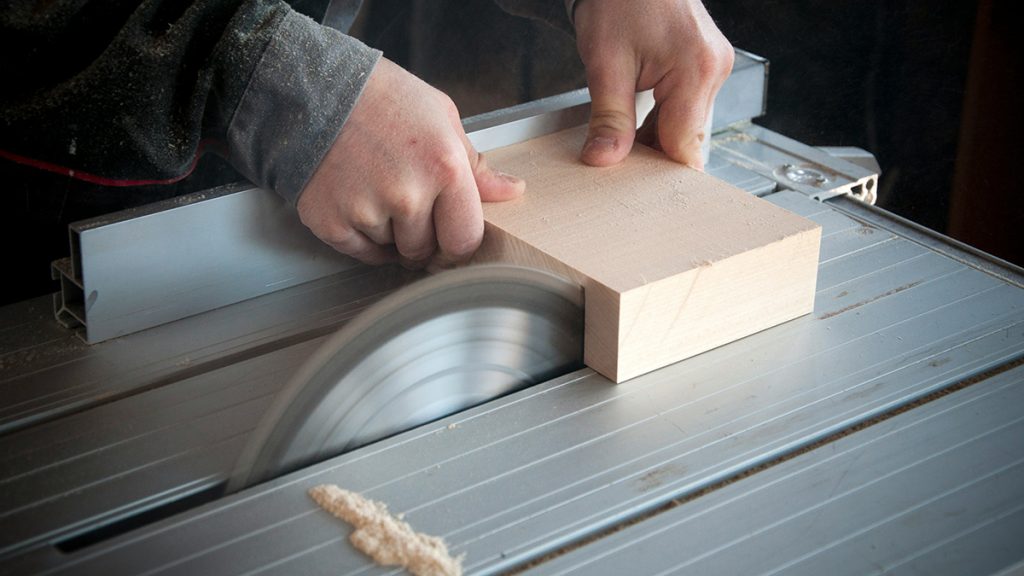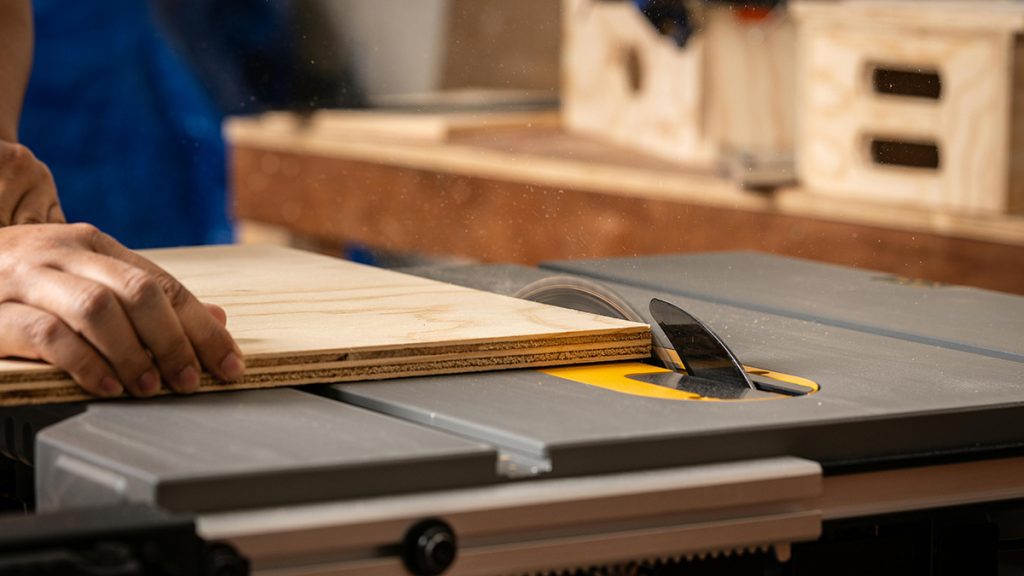

Making pristine, splinter-free cuts in hardwood plywood, MDF, or delicate laminates can be incredibly frustrating. If you use the standard, general-purpose blade that came with your circular saw, it will inevitably chew through the wood fibers, leaving ugly, jagged “tear-out” along the edges of your expensive veneered sheets.
To achieve glass-smooth, cabinet-grade edges with a handheld circular saw or track saw, you need a specialized fine-finish blade. These blades rely on advanced tooth geometries, higher tooth counts, and thin-kerf designs to slice cleanly through delicate wood veneers without fracturing them.
Here is a review of the best circular saw blades for plywood and fine finishing, along with the precise technical adjustments needed for a flawless, chip-free cut.
The Top Fine-Finish Circular Saw Blades Reviewed
When working with standard 7-1/4 inch circular saws, the secret to a smooth cut lies in the tooth configuration. Look for a high tooth count and an ATB (Alternate Top Bevel) geometry, where the teeth alternate between left and right-facing bevels to slice the wood fibers like a sharp knife.
1. Diablo 7-1/4″ x 60-Tooth Ultra Fine Finish Saw Blade (D0760X)
Widely recognized by both trim carpenters and cabinet makers as the absolute benchmark for clean job site cuts.
-
Tooth Count & Geometry: 60 Teeth, Hi-ATB (High Alternate Top Bevel)
-
The Highlights: Diablo’s ultra-fine blade features TiCo (Titanium Cobalt) high-density carbide teeth that stay sharp for an incredibly long time. The Hi-ATB geometry means the tips are steeply angled, allowing them to cleanly slice through fragile face veneers (like birch or oak plywood) rather than lifting or tearing them. It also features laser-cut stabilizer vents that absorb vibration and keep the blade perfectly rigid during long rips.
-
Best For: Getting mirror-smooth edges on expensive hardwood plywood sheets and delicate crown molding.
2. Freud 7-1/4″ x 40-Tooth Diablo Fine Finish Blade (D0740X)
The perfect middle ground if you need a clean finish but also need to maintain a decent cutting speed on larger projects.
-
Tooth Count & Geometry: 40 Teeth, ATB
-
The Highlights: While 40 teeth might sound low for fine finish work, Freud’s tooth design optimizes the hook angle to reduce resistance. It cuts noticeably faster than a 60-tooth blade, making it less prone to heat buildup and burning on thick plywood cores or dense MDF sheets. Its Perma-SHIELD non-stick coating protects the blade from gumming up with sticky pitch and resins.
-
Best For: Ripping large volumes of pre-finished plywood or cabinet boxes where speed and clean edges must balance perfectly.
3. CMT Orange Tools 7-1/4″ x 56-Tooth ITK Plus Fine Finish (273.056.07)
An industrial-grade, ultra-thin kerf blade engineered specifically to get maximum performance out of cordless, battery-powered circular saws.
-
Tooth Count & Geometry: 56 Teeth, ATB + Micrograin Carbide
-
The Highlights: CMT is famous for its premium Italian manufacturing. The ITK Plus (Industrial Thin Kerf) design minimizes the amount of wood being turned into sawdust. Because the blade is so thin, it creates minimal friction and requires significantly less motor power. This means your cordless saw won’t bog down mid-cut, resulting in a cleaner, smoother, and completely unburned edge.
-
Best For: Woodworkers using cordless circular saws who want precise, workshop-grade cuts on the job site.
Circular Saw Blade Performance Matrix
| Blade Model | Tooth Count | Kerf Profile | Key Strength | Best For |
| Diablo D0760X | 60 | Thin Kerf | Zero Tear-Out / Ultra-Clean | Hardwood Veneers & Laminates |
| Freud D0740X | 40 | Thin Kerf | Fast Feed Rate / No Burning | MDF, Melamine, & Cabinet Carcasses |
| CMT ITK Plus | 56 | Ultra-Thin Kerf | Battery Efficiency / Precision | Cordless Saws & Delicate Rips |
The Flawless Plywood Cut Sequence
Even with a premium 60-tooth blade, a circular saw spins from the bottom up. This means the teeth exit the wood on the top face, which naturally pushes the upper veneer upward and causes micro-chipping. Follow this strict sequence to guarantee a perfect cut on both sides of your sheet:
3 Vital Rules for Maintaining Pristine Finishing Cuts
-
Clean the Pitch Regularly: Plywood glue contains abrasive resins that melt during cutting and bake onto the sides of your blade’s teeth. This dark residue looks like burnt wood, but it creates massive friction, causing the blade to wander and burn the wood. Spray your blade with a dedicated laundry spot remover (like Simple Green or Goo Gone), let it sit for 5 minutes, and scrub the carbide tips clean with an old toothbrush.
-
Listen to Your Feed Rate: A fine-finish blade requires a patient hand. If you push the saw too fast, the teeth cannot clear the sawdust quickly enough, causing the blade to choke, deflect, and splinter the veneer. If you push too slow, you will create excessive friction and leave dark burn marks on the edge. Listen to the pitch of your saw’s motor—keep it running at a high, steady hum without straining it.
-
Protect the Teeth: Carbide is incredibly hard, but it is also brittle. Never rest your circular saw directly onto a concrete garage floor or metal table surface where the teeth can chip. Store your premium finish blades hanging on pegboards or separated by cardboard spacers rather than tossing them loosely into a tool bag where the teeth can knock against each other.
Amazon Disclaimer:
As an Amazon Associate, I earn from qualifying purchases. This means that if you click on certain links within this post and make a purchase, I may receive a small commission at no additional cost to you. This helps support the site and allows us to continue creating high-quality DIY content.