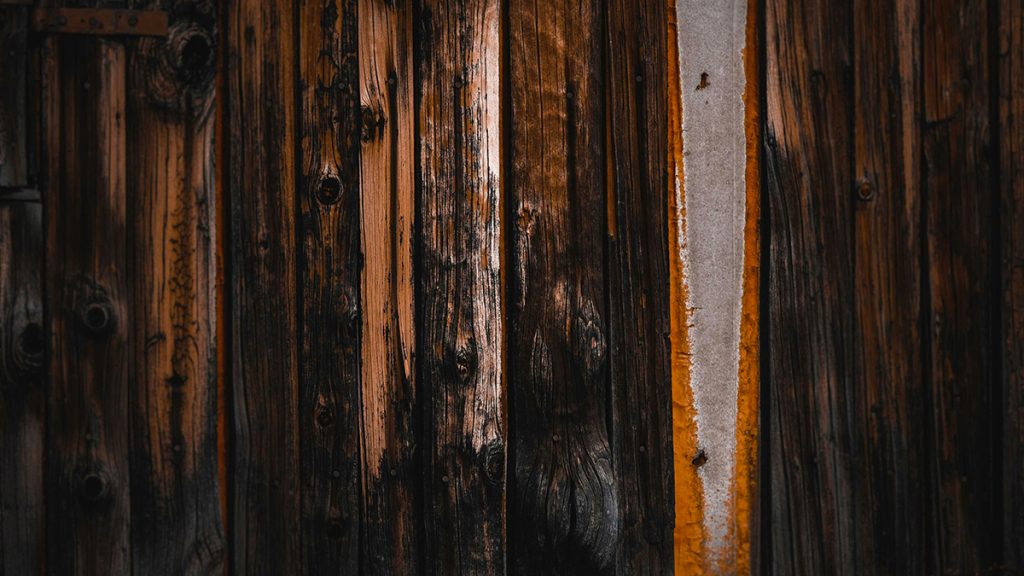
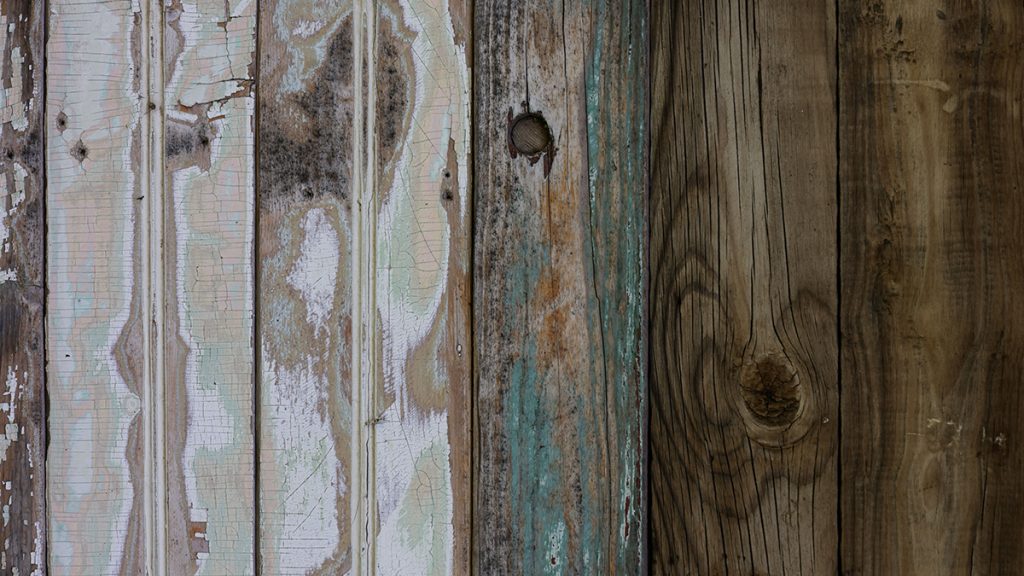
There is something deeply satisfying about transforming a piece of weathered, century-old barn siding or a massive structural beam into a stunning piece of heirloom furniture. Reclaimed barn wood possesses a rustic character, tight grain patterns from old-growth timber, and a rich, natural patina that modern, kiln-dried store lumber simply cannot replicate.
However, bringing wood from a collapsed barn or an old outbuilding into your home workshop requires a specific approach. Rough barn lumber is often hidden under decades of dirt, embedded with hidden metal, and populated by wood-boring insects. Without proper reclamation, you risk destroying your expensive jointer blades, ruining your planer knives, or introducing wood-hungry pests into your home.
Here is the ultimate guide to safely reclaiming old barn wood and preparing it for high-end furniture building.
Step-by-Step Processing: From Barn to Bench
Processing reclaimed timber is an intensive, systematic procedure. Missing a step can result in damaged shop tools or a compromised furniture piece. Follow this sequence to safely transform raw barn wood into usable lumber:
Reclaimed Wood Character Matrix
Understanding the species and distinct characteristics of your salvaged wood helps you choose the right joinery and finishing methods for your furniture project.
| Wood Feature | Common Cause | Structural Impact | How to Handle in Furniture |
| Patina / Gray Weathering | Decades of UV light & rain | Surface level only | Retain for rustic tabletops; sand lightly to prevent splinters. |
| Nail Holes / Black Stains | Chemical reaction between iron & oak tannins | None (highly decorative) | Leave open for character, or fill with clear or black epoxy. |
| Checking & Surface Cracks | Natural moisture cycling over 100 years | Can compromise thin boards | Stabilize by inlaying decorative wooden bowties (butterfly joints). |
| Powderpost Beetle Holes | Past insect activity | Minor cosmetic damage unless structural core is soft | Ensure sterilization is complete; fill tiny holes with shellac sticks. |
3 Vital Rules for Working with Reclaimed Timber
-
Never Skip the Moisture Meter: Old barn wood can look bone-dry on the outside while holding a massive amount of moisture deep within its core—especially if it was sitting directly on damp soil or under a leaky roof. Use a pin-style moisture meter to verify the core moisture content is below 6% to 8% before you begin glue-ups. Building furniture with wet wood will inevitably lead to severe warping, twisting, and split glue joints as it dries out inside a heated house.
-
Embrace Epoxy for Stabilization: Reclaimed boards are full of deep knots, checks, and old structural cutouts. Instead of discarding these beautiful character markers, use a high-quality, slow-cure clear epoxy resin to flood the cracks and voids. Tinting the epoxy with black pigment highlights the wood’s age while creating a perfectly flat, sanitary surface—which is especially critical for dining tables and bar tops where food particles could get trapped.
-
Use the Right Finish to Preserve Old Colors: If you have spent hours cleaning and preserving a gorgeous circle-sawn or hand-hewn surface texture, don’t ruin it with a thick, plastic-looking glossy polyurethane topcoat. Instead, opt for a penetrating oil or a hardwax oil finish (such as Rubio Monocoat or Odie’s Oil). These finishes bond directly with the wood fibers at a molecular level, protecting the timber from spills while highlighting the rich depth of the old timber without adding fake artificial shine.
Amazon Disclaimer:
As an Amazon Associate, I earn from qualifying purchases. This means that if you click on certain links within this post and make a purchase, I may receive a small commission at no additional cost to you. This helps support the site and allows us to continue creating high-quality DIY content.