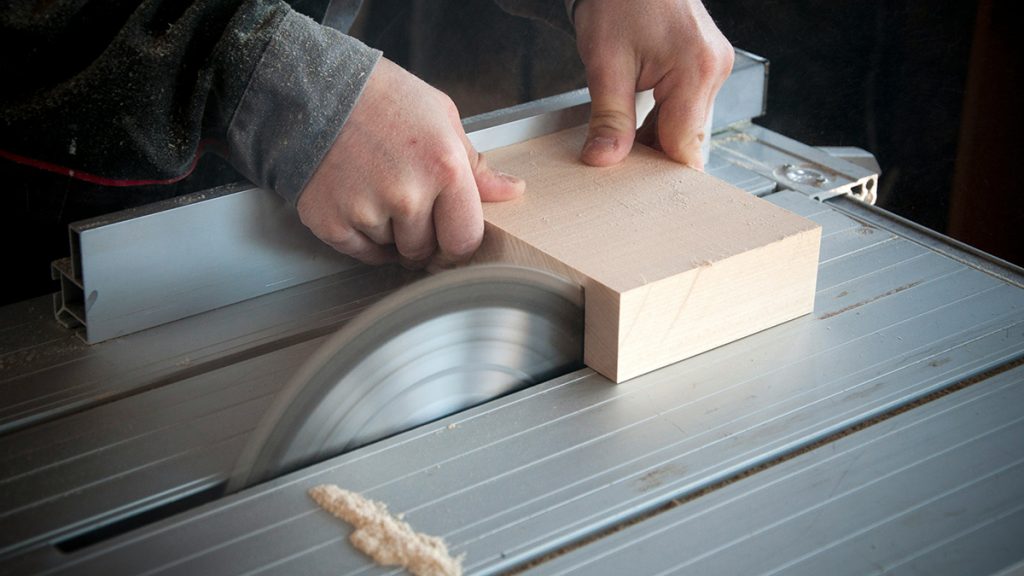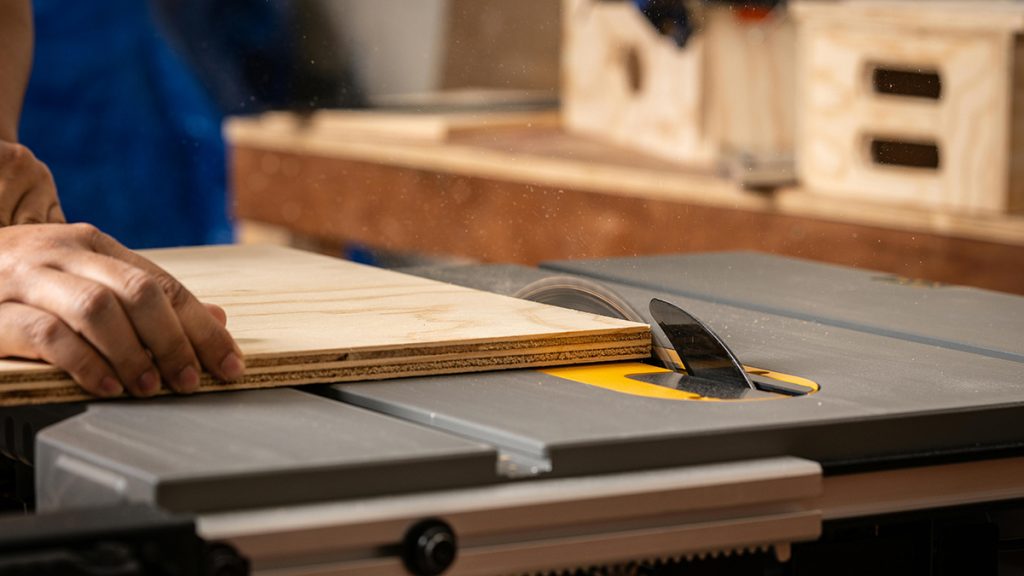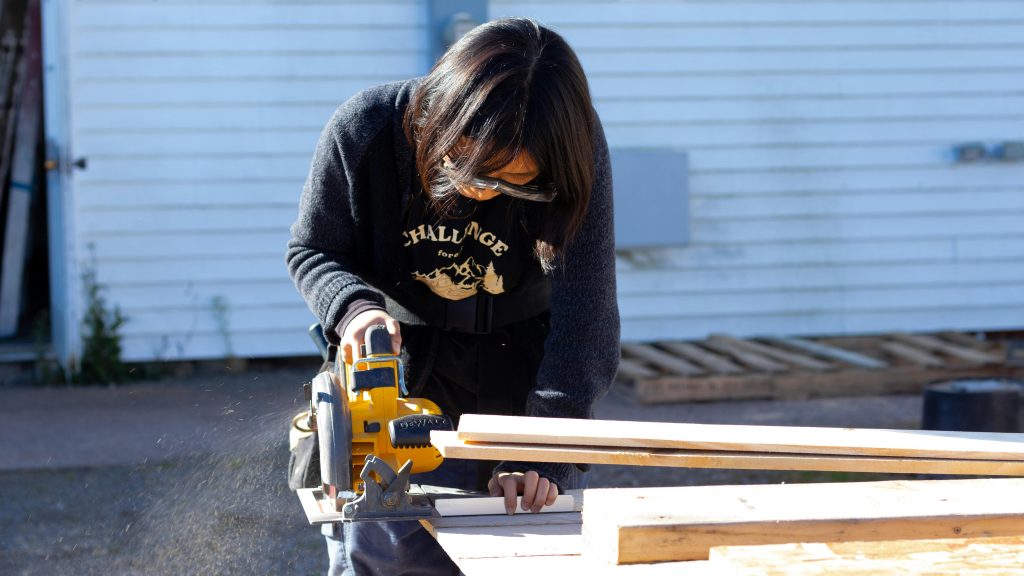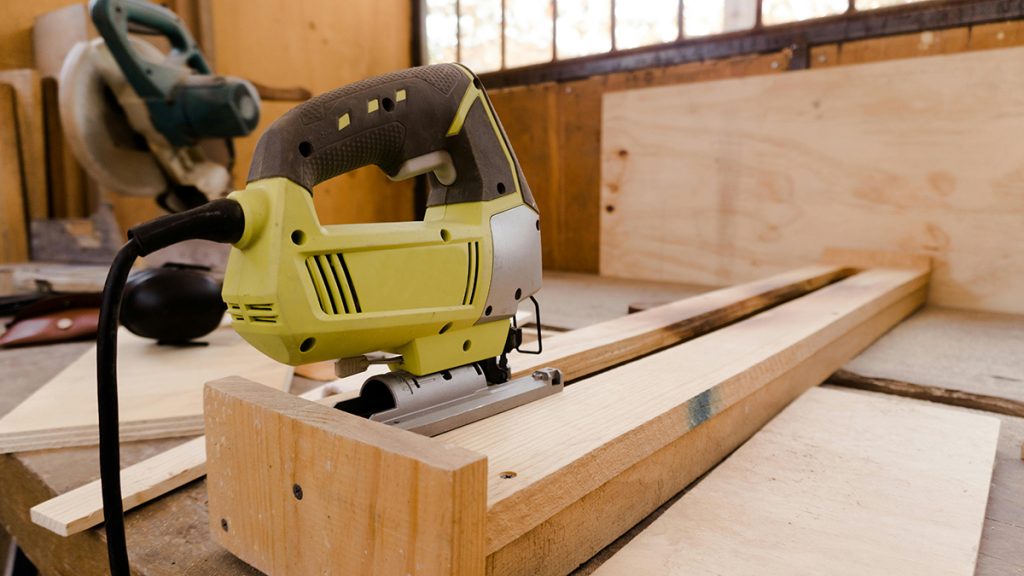
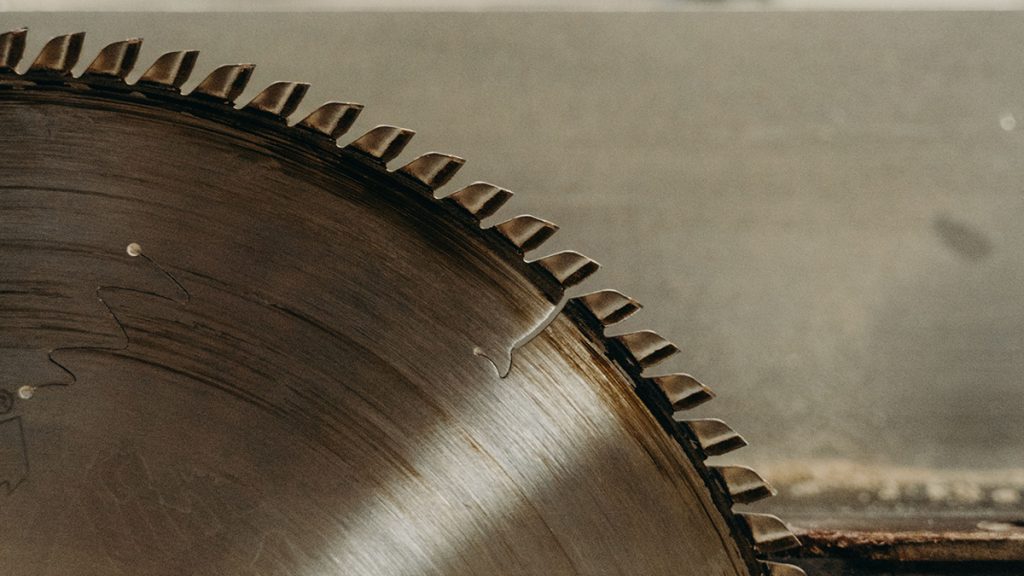
When installing a fresh blade on your table saw, miter saw, or circular saw, you expect clean, splinter-free cuts. Yet, two identical-looking 10-inch blades can yield drastically different results—one might tear out oak veneer and bog down the motor, while another glides through dense hardwood effortlessly.
The secret lies in the saw blade’s engineering: tooth geometry and kerf width.
A saw blade is not just a steel disc with sharp notches; it is a precision cutting instrument where every tooth angle, hook angle, and plate thickness is meticulously calculated.
Understanding how different tooth grind profiles (like ATB, FTG, and TCG) interact with wood grain, and how kerf width impacts material waste and motor load, allows you to select the optimal blade for ripping, crosscutting, or fine joinery.
Here is a review of the top 5 saw blades and essential Amazon accessories, followed by a detailed tooth geometry matrix and the step-by-step physical blade maintenance workflow.
Must-Have Saw Blades & Maintenance Gear on Amazon
Optimizing your cutting performance relies on premium combination and rip blades, resin-dissolving blade cleaners, digital angle gauges, and protective storage cases. These top-rated Amazon products deliver elite cutting precision:
1. The Pro Combination Blade Benchmark: Freud D1050X 10-Inch x 50-Tooth Combination Saw Blade
Widely recognized across professional woodworkers as the ultimate all-purpose blade that handles both rip cuts and crosscuts flawlessly.
-
The Highlights: Engineered with an Alternate Top Bevel (ATB) and Flat Top Grind (FTG) combination tooth pattern, this Freud blade features TiCo High-Density Carbide teeth and laser-cut anti-vibration slots. It slices through thick hardwood and plywood panels cleanly without requiring blade swaps between operations.
-
Best For: General shop use, ripping solid lumber, and clean crosscuts.
2. Precision Flat-Bottom Grooving Blade: Freud SD508 8-Inch Dado Blade Set
Cutting flat-bottomed dadoes, rabbets, and half-lap joints requires a dedicated stacked dado set rather than a standard thin-kerf blade.
-
The Highlights: Featuring 6 outer chippers and a precision shim set, the Freud SD508 cuts splinter-free, dead-flat dado grooves from 1/4-inch to 13/16-inch wide. Its negative hook angle teeth prevent self-feeding in hardwoods, giving you absolute feed control across your table saw.
-
Best For: Cutting precise dadoes, rabbets, and joinery grooves in cabinets and tables.
3. Resin & Pitch Dissolving Cleaner: CMT Blade and Bit Cleaner
Pitch, resin, and burnt wood sap accumulate on saw blade teeth rapidly, increasing friction, heat, and motor load during cuts.
-
The Highlights: Formulated to dissolve baked-on resin, glue residue, and sap instantly, CMT blade cleaner restores sharp cutting efficiency to dull-seeming blades. Spraying it onto carbide tips and wiping clean eliminates friction burn marks on wood edges.
-
Best For: Cleaning resin off saw blades, router bits, and planer knives.
4. Digital Magnetic Angle & Bevel Gauge: Wixey Digital Angle Gauge with Backlight
Setting table saw blade tilt angles and miter fence clearances accurately to a fraction of a degree requires a digital reference tool.
-
The Highlights: Featuring a magnetic base that snaps firmly onto saw blades and cast-iron table tops, the Wixey displays exact bevel angles on an easy-to-read backlit LCD screen. Zeroing it on your saw top ensures your blade tilt is dead-on 90 circ or 45 circ.
-
Best For: Setting precise blade bevel angles and table saw blade height.
5. Protective Heavy-Duty Blade Storage Case: Universal 10-Inch Saw Blade Storage Bag
Leaving spare carbide blades loose on shop shelves or stacked together chips fragile carbide tips and dulls cutting edges.
-
The Highlights: Crafted from durable moisture-resistant ballistic nylon with reinforced internal pockets, this storage case protects 10-inch saw blades from dust, moisture, and impact damage when not mounted on the saw.
-
Best For: Protecting spare saw blades from damage and organizing shop wall racks.
Saw Blade Tooth Geometry & Kerf Matrix
| Tooth Grind Profile | Full Name & Acronym | Primary Woodworking Application | Cutting Action & Behavior |
| ATB | Alternate Top Bevel | Crosscutting (Plywood, MDF, Hardwood face grain) | Alternating left/right bevels slice wood fibers cleanly without tear-out. |
| FTG | Flat Top Grind | Ripping lumber (Cutting along the grain) | Square flat teeth act like miniature chisels, scooping out waste fast. |
| ATB+R | Combination (ATB + Righter) | All-Purpose (Rip + Crosscut combo) | Groups of ATB teeth paired with a flat raker tooth for universal shop use. |
| TCG | Triple Chip Grind | Laminates, Melamine, & Non-Ferrous Metals | Trapezoid and flat teeth share the load, preventing chipping on brittle surfaces. |
Understanding Kerf Width: Full-Kerf vs. Thin-Kerf
The kerf width refers to the physical width of the cut made by the saw blade, determined by the outward spread of the carbide teeth.
-
Full-Kerf Blades: These heavy-duty industrial blades feature thick steel plates that resist flexing under heavy loads. They maintain a dead-straight cut line when ripping thick 8/4 hardwood lumber but consume slightly more material per cut.
-
Thin-Kerf Blades: These narrower blades remove less wood waste, making them ideal for underpowered contractor saws or cordless circular saws because they require less motor torque to spin. However, thin plates can deflect or “wander” if forced too fast through thick, dense hardwoods.
Step-by-Step Sequence: Saw Blade Cleaning and Alignment Workflow
Attempting to cut with a pitch-covered saw blade overheates the carbide teeth, causing burning along the wood edge and risking motor burnout. Follow this strict physical execution sequence:
3 Vital Rules for Saw Blade Success
-
Match the Tooth Grind to Your Specific Cut Type: Never use a dedicated Flat Top Grind (FTG) rip blade for crosscutting fine hardwood panels, as the square teeth will splinter the wood face horribly. Conversely, don’t use an Alternate Top Bevel (ATB) crosscut blade for heavy ripping, as fine bevel teeth struggle to clear thick sawdust rapidly. Match your blade selection to the task: ATB for crosscutting, FTG for ripping, and a Freud Combination Blade for everyday general shop work.
-
Keep the Saw Blade Height Set Correctly Above the Workpiece: A common woodworking mistake is raising the saw blade too high above the wood stock. When setting a blade height, the tips of the teeth should extend only about 1/8-inch to 1/4-inch above the top surface of the wood (roughly the height of the carbide tooth itself). Lower blade projection reduces side-teardout on the top face and keeps the angle of attack entering the wood cleanly.
-
Never Force a Thin-Kerf Blade Through Heavy Stock: Because thin-kerf saw blades have thinner steel plates, they are more susceptible to lateral deflection than full-kerf blades. If you feed thick, dense hardwood too aggressively through a thin-kerf blade, the plate will bow under pressure, resulting in a curved or scorched cut line. Let the saw motor do the work and feed stock at a smooth, steady pace.
Amazon Disclaimer:
As an Amazon Associate, I earn from qualifying purchases. This means that if you click on certain links within this post and make a purchase, I may receive a small commission at no additional cost to you. This helps support the site and allows us to continue creating high-quality DIY content.