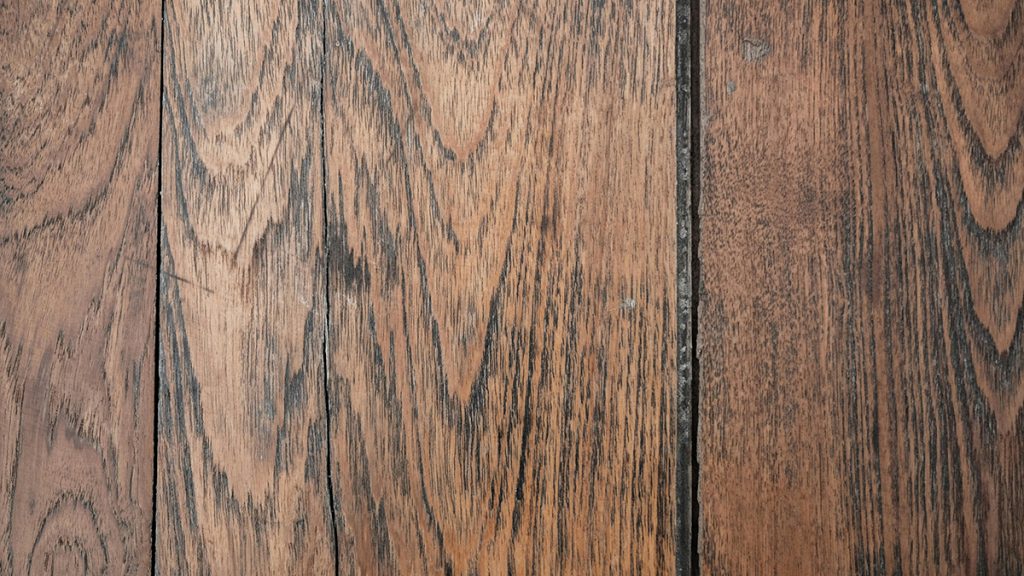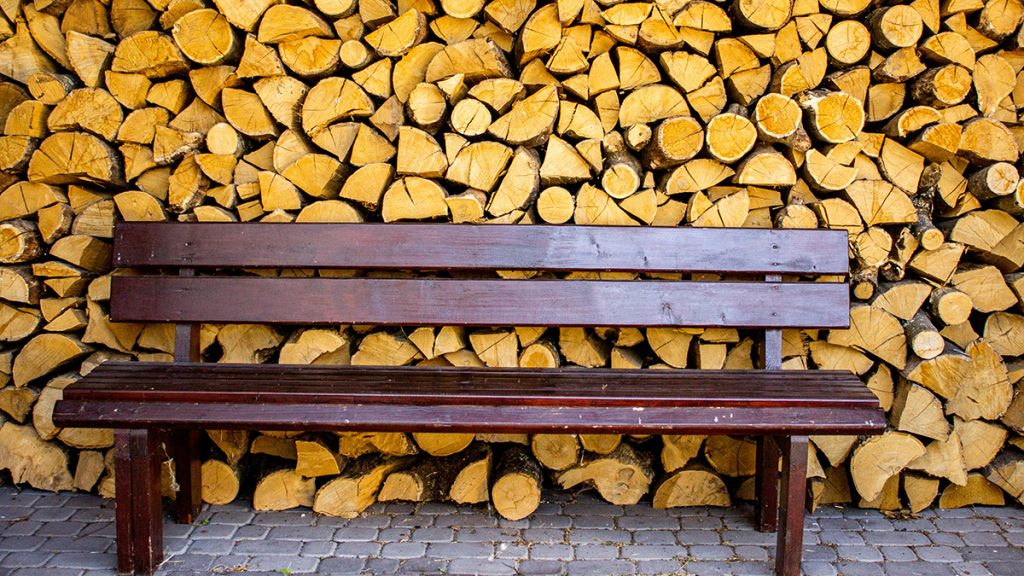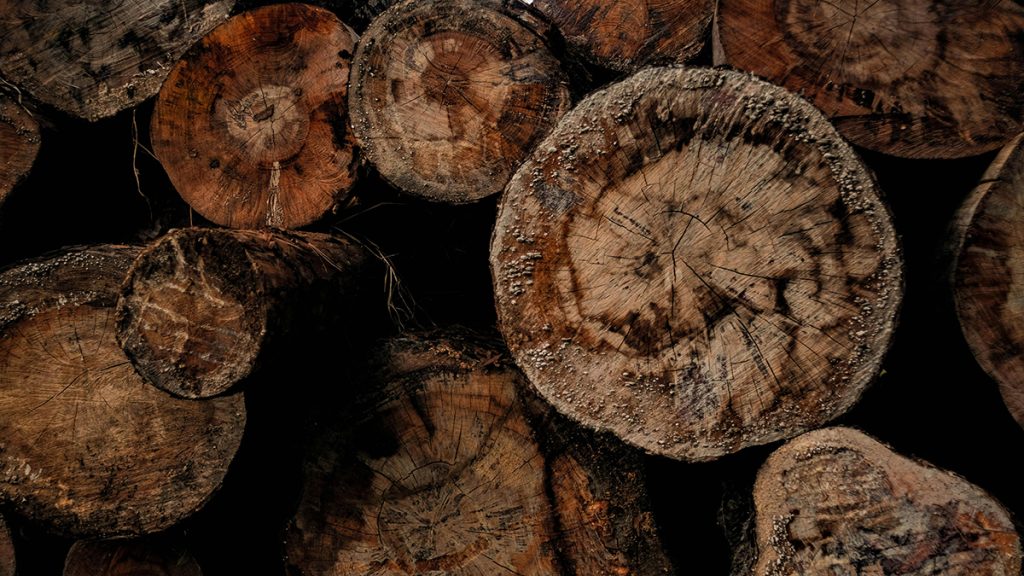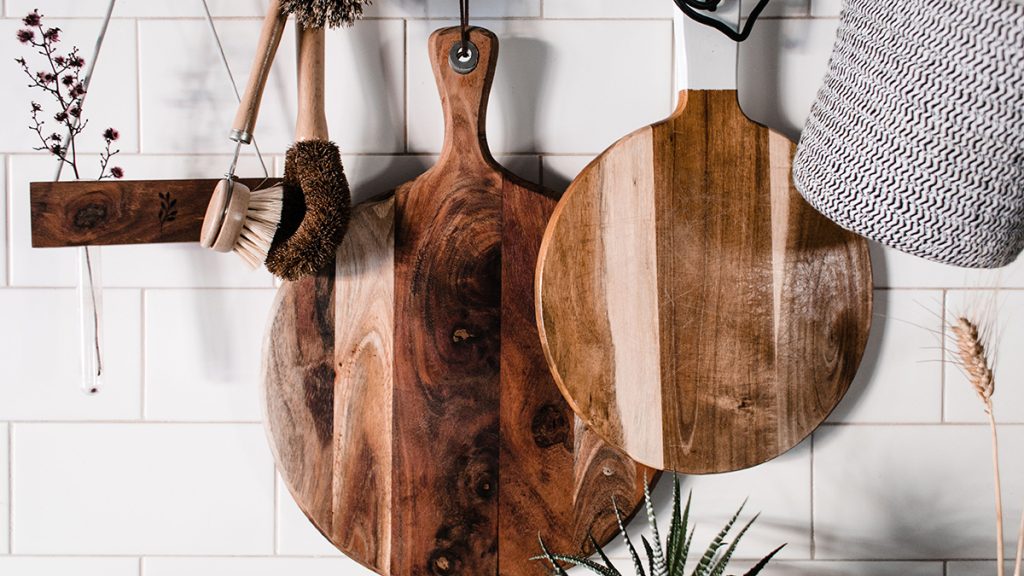
Walking into a lumberyard, sourcing reclaimed wood from an old barn, or trying to identify the timber used in a vintage flea-market dresser can be incredibly overwhelming for a beginner. At first glance, a lot of wood just looks… brown.
However, once you know what clues to look for, every wood species tells a distinct story through its physical characteristics. Wood identification is a sensory puzzle. By examining a board’s color, its cell structure (porosity), its weight, and even its scent, you can accurately identify the timber with confidence.
Before you buy your next batch of lumber or start a restoration project, use this foundational guide to crack the code of the most common North American wood species.
The Big Division: Hardwood vs. Softwood
Before looking at specific species, you must understand that the woodworking world divides all timber into two distinct categories. This division isn’t actually about how physically “hard” or “soft” the wood is—it is entirely based on the tree’s reproduction and leaf structure.
-
Softwoods (Gymnosperms): These come from conifer trees that have needles and cones (like Pine, Cedar, and Fir). They typically grow quickly, have a simpler cell structure, and are generally less dense.
-
Hardwoods (Angiosperms): These come from broad-leaf deciduous trees that produce seeds, flowers, or fruit (like Oak, Walnut, Maple, and Cherry). They grow slowly, resulting in a dense, complex cell structure with visible pores.
The Top 6 Wood Species Reviewed
1. Oak (Red and White)
The workhorse of traditional American furniture making, famous for its incredible strength, heavy weight, and coarse texture.
-
Color Range: Red Oak has a distinct pinkish-tan cast; White Oak is more golden-brown, tan, or grayish-tan.
-
Grain & Texture: Oak has a very aggressive, loud grain pattern. It is an open-pored wood, meaning you can physically see and feel tiny open straw-like pores on the surface. White Oak is famous for its striking “ray flecks”—shiny, wavy ribbons of cell tissue that appear across the board face when quarter-sawn.
2. Walnut (Black Walnut)
The darling of modern furniture designers, prized for its dark, sophisticated aesthetic and excellent workability.
-
Color Range: Deep chocolate brown, often featuring undertones of charcoal gray, purple, or dark gold. Note: The outer sapwood of the tree is a stark, creamy white.
-
Grain & Texture: Semi-open pored with a medium texture. The grain lines are generally straight but frequently exhibit beautiful, elegant swirly cathedral arches and rich waves. It has a mild, pleasant woodsy aroma when cut.
3. Cherry (Black Cherry)
A premium hardwood beloved by cabinet makers for its incredibly smooth texture and its unique ability to change color over time.
-
Color Range: Starts out as a pale pinkish-tan when freshly cut, but darkens to a rich, warm reddish-brown when exposed to sunlight.
-
Grain & Texture: Closed-pored and exceptionally smooth to the touch. The grain pattern is understated, subtle, and wavy. Cherry frequently features tiny, natural black pockets called “pitch pockets” (small mineral or sap deposits), which act as an absolute fingerprint for identification.
4. Maple (Hard and Soft Sugar Maple)
An incredibly dense, heavy, and impact-resistant wood used for heavy-use items like butcher blocks, basketball courts, and baseball bats.
-
Color Range: Unlike most woods where you use the dark heartwood, Maple is prized for its creamy white to light tan sapwood.
-
Grain & Texture: Closed-pored with an extremely tight, fine grain structure. It looks uniform and clean, but can occasionally exhibit stunning figure mutations like “birdseye” (tiny circular dimples) or “curly/flame” maple (shimmering horizontal stripes).
5. Pine (Eastern White, Yellow, and Radiata)
The absolute standard for structural framing lumber and rustic country crafting.
-
Color Range: Pale cream to bright buttery yellow, turning a deeper golden-amber with age.
-
Grain & Texture: Softwood layout with distinct, dark orange-brown growth rings contrasting against light wood. It often features abundant, large dark knots. Pine is very soft—you can easily dent it by pressing your thumbnail directly into the surface. It smells distinctly of fresh pine resin or Christmas trees.
6. Western Red Cedar
A highly aromatic softwood universally chosen for outdoor projects due to its natural weather-defending chemistry.
-
Color Range: A vivid mosaic of colors ranging from soft pinkish-red to deep, dark brown lines.
-
Grain & Texture: Straight, tight grain with a highly uniform texture. It is incredibly lightweight and brittle. The ultimate dead-giveaway for Cedar is its sharp, pungent, sweet aroma—the classic “linens closet” smell—which deters insects and prevents rot.
Identification Key Matrix
Step-by-Step Sequence: How to Identify an Unknown Board
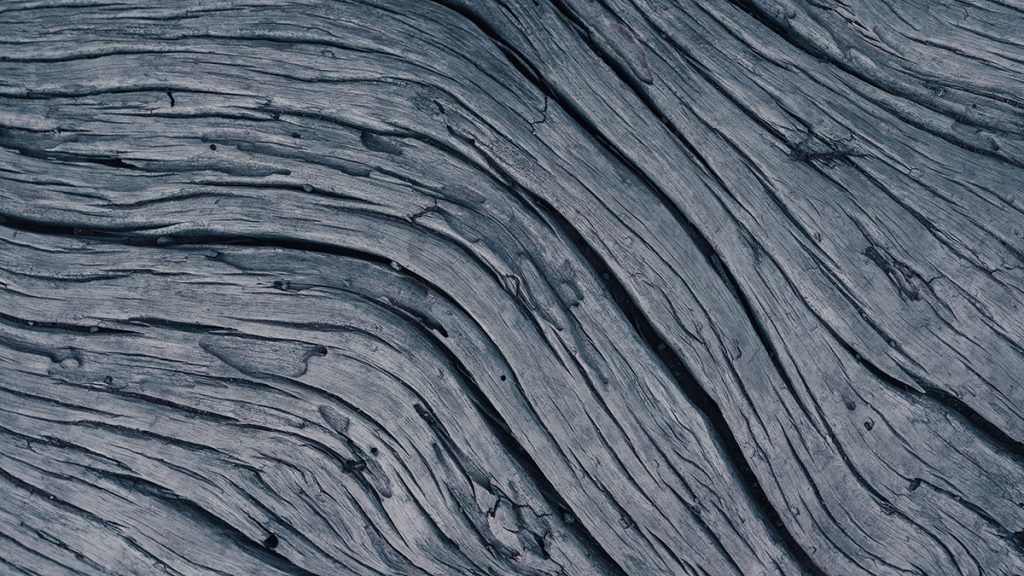
If someone hands you a random gray, weather-beaten board from a scrap pile, do not panic. Follow this systematic checking sequence to uncover its identity:
3 Vital Rules for Beginner Wood Identification
-
Never Trust the Surface Finish Color: A massive mistake beginners make is looking at a mahogany-colored dining table and assuming it is made of Mahogany wood. Stains, dyes, and colored polyurethanes can make cheap Pine look like expensive Walnut. Always look for areas where the finish has chipped away, or look at the underside of the furniture piece (like the bottom of a table top or the inside of a drawer face) to see the true, natural wood color.
-
Look for Ray Flecks to Confirm White Oak: If you are torn between identifying a board as Red Oak or White Oak, look for the length of the dark grain lines (the medullary rays). On Red Oak, these lines are short, usually less than 1/2-inch long. On White Oak, these rays are massive, running anywhere from 1 to 2 inches long. Furthermore, if you dip a sliver of White Oak into a solution of sodium nitrite, the wood will chemically turn a distinct dark greenish-black; Red Oak will not change color.
-
Weight is a Major Clue: If you have two boards of identical dimensions but one feels twice as heavy as the other, you have critical structural data. Hardwoods like Oak and Maple are incredibly dense and will feel heavy and solid in your hand. Softwoods like Cedar and White Pine have highly aerated cell structures, making them feel surprisingly light, like balsa wood by comparison.
Amazon Disclaimer:
As an Amazon Associate, I earn from qualifying purchases. This means that if you click on certain links within this post and make a purchase, I may receive a small commission at no additional cost to you. This helps support the site and allows us to continue creating high-quality DIY content.