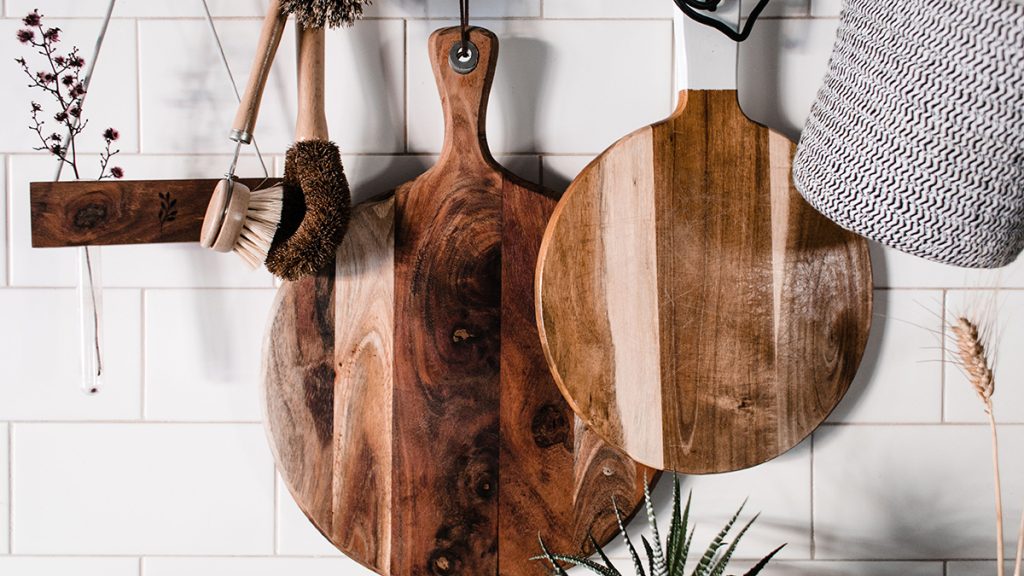
A high-quality wood cutting board is an absolute essential for any home chef. Unlike dulling plastic or knife-destroying glass, a proper wood board provides the perfect amount of “give.” This cushions your kitchen knives, keeping their razor-sharp edges intact for much longer. Plus, certain wood species possess natural antimicrobial properties that make them highly hygienic for food preparation.
However, not all wood is created equal. Using the wrong wood species can lead to a board that warps after a single wash, splits along the seams, dulls your expensive chef’s knives, or even leaches toxic sap into your food.
Here is a guide to the best wood species for kitchen cutting boards, what characteristics to look for, and exactly which woods you must avoid at all costs.
The Big Three: The Gold Standards of Cutting Board Woods
When building or buying a cutting board, you want tight-grained, hard-fiber woods. In the culinary world, three traditional North American hardwoods reign supreme.
1. Hard Maple (Sugar Maple)
Hard maple is the undisputed industry standard for professional butcher blocks and heavy-duty kitchen stations.
-
Janka Hardness Rating: 1,450 lbf (Pounds-force)
-
The Highlights: It is incredibly dense, highly scratch-resistant, and features a light, clean aesthetic that fits into any modern kitchen. Because it has an ultra-closed grain structure with microscopic pores, it prevents juices from raw meat or vegetables from soaking deep into the wood fibers, making it exceptionally easy to sanitize.
-
Best For: Everyday prep boards, heavy-duty chopping blocks, and classic end-grain builds.
2. Cherry
If you want an elegant, highly aesthetic board that develops a stunning deep patina over time, cherry is a gorgeous choice.
-
Janka Hardness Rating: 995 lbf
-
The Highlights: Cherry is a bit softer than maple, which means it is incredibly gentle on your knife edges. It features a tight, closed grain that keeps bacteria out. While it can scratch a bit easier than maple under heavy cleaver use, its deep reddish-brown color darkens beautifully with age and exposure to light.
-
Best For: Bread boards, light vegetable slicing, and dual-purpose charcuterie/serving platters.
3. Walnut
Walnut offers a rich, dark chocolate aesthetic that effortlessly hides knife marks and food stains.
-
Janka Hardness Rating: 1,010 lbf
-
The Highlights: Walnut hits the perfect sweet spot for knife safety and long-term durability. It won’t dull your knives, it resists warping beautifully, and its deep color profile means that colorful juices (like beet juice or red wine) won’t leave ugly stains on the surface.
-
Best For: High-end statement boards, heavy slicing boards, and carving blocks for roasted meats.
Direct Wood Species Comparison Matrix
| Wood Species | Janka Hardness | Grain Type | Knife Friendliness | Ideal Maintenance Frequency |
| Hard Maple | 1,450 lbf | Ultra-Closed | Good | Once a month |
| Cherry | 995 lbf | Closed | Excellent (Very Soft) | Once every 2–3 weeks |
| Walnut | 1,010 lbf | Semi-Closed | Excellent | Once a month |
| Teak | 1,070 lbf | Open (High Silica) | Poor (Dulls Knives) | Minimal |
Step-by-Step Maintenance: How to Condition a Board
To keep your wood cutting board from drying out, cracking, or absorbing unpleasant food odors, you must seal it regularly. Follow this exact sequence to deep-condition your board:
What to Avoid: Dangerous and Unsuitable Woods
Using the wrong type of wood for food contact can be a health hazard or result in a board that falls apart instantly. Avoid these categories completely:
-
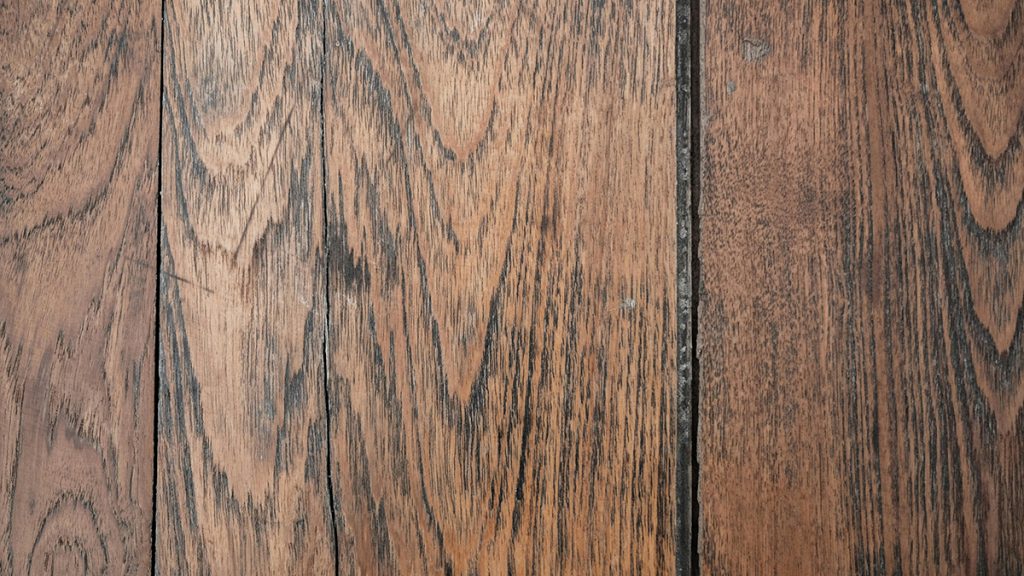
Open-Grained Woods (Oak, Ash): While red oak is incredibly hard and durable, it features a highly open grain structure with massive microscopic pores. These pores act like tiny drinking straws, sucking up raw meat juices, blood, and moisture. This creates a permanent breeding ground for harmful bacteria that is impossible to clean.
-
Exotic Woods with Toxic Sap (Rosewood, Purpleheart, Cocobolo): Many colorful exotic woods contain high amounts of natural oils, allergens, and toxins designed to protect the tree from jungle insects. Slicing warm, wet food on these woods can leach these compounds into your food, causing severe allergic reactions or stomach upset.
-
Woods with High Silica Content (Teak): Teak looks beautiful and is highly water-resistant, but it contains a very high concentration of natural silica (the mineral that makes up sand and glass). Cutting on teak acts like a microscopic sharpening stone in reverse, dulling your kitchen knives incredibly fast.
-
Softwoods (Pine, Cedar, Spruce): Softwoods are highly porous, contain sticky natural resins, and are far too soft. Your kitchen knives will slice straight into the fibers, creating deep trenches where bacteria can hide, and the board will warp almost instantly when exposed to sink water.
Amazon Disclaimer:
As an Amazon Associate, I earn from qualifying purchases. This means that if you click on certain links within this post and make a purchase, I may receive a small commission at no additional cost to you. This helps support the site and allows us to continue creating high-quality DIY content.