Choosing the right species of wood is the most critical decision in any project. It’s not just about color; it’s about density, rot resistance, and “workability.” You wouldn’t build a cutting board out of soft pine, and you wouldn’t waste expensive teak on a garage shelf.
Understanding the difference between these three titans of the lumber yard—Oak, Teak, and Pine—will save you money and ensure your projects last a lifetime. Here is how they compare in the market.
Wood Species Comparison Table
| Feature | White Oak | Teak | Pine (Yellow/White) |
| Hardness (Janka) | 1,360 lbf (Hard) | 1,070 lbf (Medium) | 380–690 lbf (Soft) |
| Durability | High (Indoor/Outdoor) | Exceptional (Marine) | Low (Indoor only) |
| Workability | Moderate (Tough) | Moderate (Oily) | Very Easy |
| Price Point | $$$ |
$ |
$ |
| Best Use | Furniture / Flooring | Boats / Outdoor Sets | Framing / DIY Crafts |
1. The American Icon: White Oak
White Oak is the backbone of the American woodworking tradition. It is famous for its “tyloses”—a cellular structure that makes the wood pores water-tight.
Why it’s perfect for woodworkers:
It is incredibly strong and has a beautiful, open-grain pattern that looks stunning with quarter-sawn flecks. Because it is rot-resistant, it’s the top choice for whiskey barrels and high-end outdoor furniture. It takes stain evenly and provides a very high-end look.
-
Pros: Very durable, water-resistant, classic aesthetic.
-
Cons: Hard on saw blades; can react with iron screws to create black stains.
2. The Golden Standard: Teak
Teak is a tropical hardwood known for its high natural oil content. It is essentially “pre-waterproofed” by nature.
Why it’s essential:
If you are building a project that will be exposed to direct rain or salt air (like a yacht deck or a luxury garden bench), Teak is the only option. It starts as a rich golden brown and matures into a beautiful “silvery-grey” patina if left unfinished.
-
Pros: Will not rot for decades, termite-resistant, naturally oily.
-
Cons: Extremely expensive; the high silica content in the wood will dull your planer knives quickly.
3. The Beginner’s Best Friend: Pine
While technically a softwood, Pine is the most widely used lumber in the world. It is the perfect training ground for any woodworker.
Why it’s perfect for woodworkers:
It is inexpensive and readily available at any home center. It’s easy to cut, screw, and sand. It is ideal for farmhouse-style tables, kids’ furniture, or any project where you plan to use paint rather than stain.
-
Pros: Very affordable, easy to work with hand tools, fast-growing.
-
Cons: Dents easily (you can mark it with a fingernail); prone to “pitch pockets” (sticky sap).
3 Rules for Choosing Your Lumber
-
The Janka Test: Before starting, check the Janka Hardness Scale. If you are building a workbench, you want something above 1,000 lbf (like Oak). If you are building a wall decoration, Pine is perfectly fine.
-
Acclimation is Key: Wood is like a sponge. When you bring new boards into your shop, let them sit for at least 7–10 days to adjust to the humidity before you start milling. This prevents warping later.
-
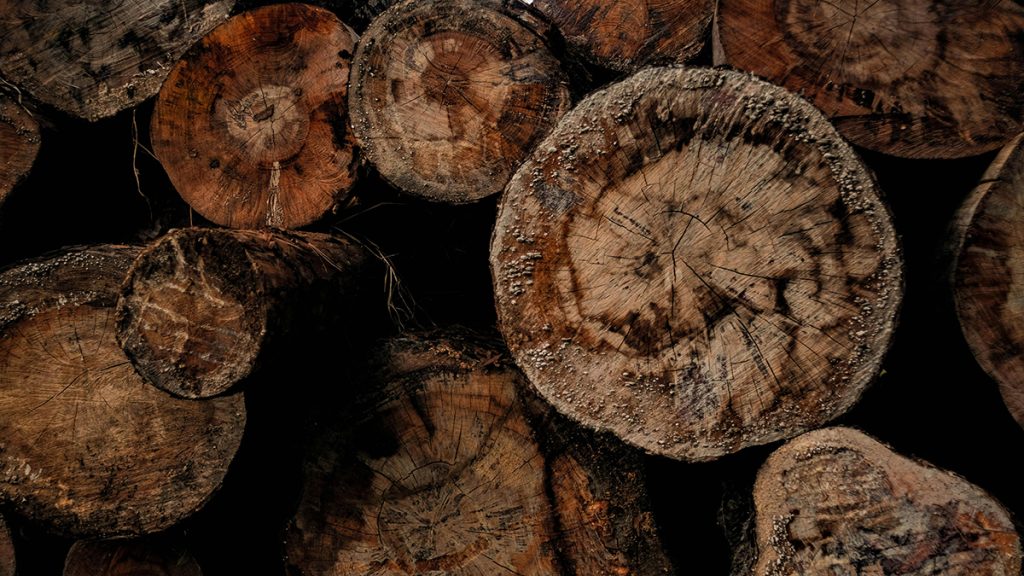
Heartwood vs. Sapwood: The dark center of the log (Heartwood) is always more rot-resistant and stronger than the light outer ring (Sapwood). For outdoor projects, always try to select boards with more heartwood.
Final Verdict
-
For heirloom furniture that lasts centuries, choose White Oak.
-
For luxury outdoor projects and boats, invest in Teak.
-
For budget-friendly DIY and learning, stick with Pine.
Read too: A Guide to Hardwoods for Beginners: Oak vs. Walnut vs. Maple
Disclaimer: As an Amazon Associate, I earn from qualifying purchases. Conquer the elements!