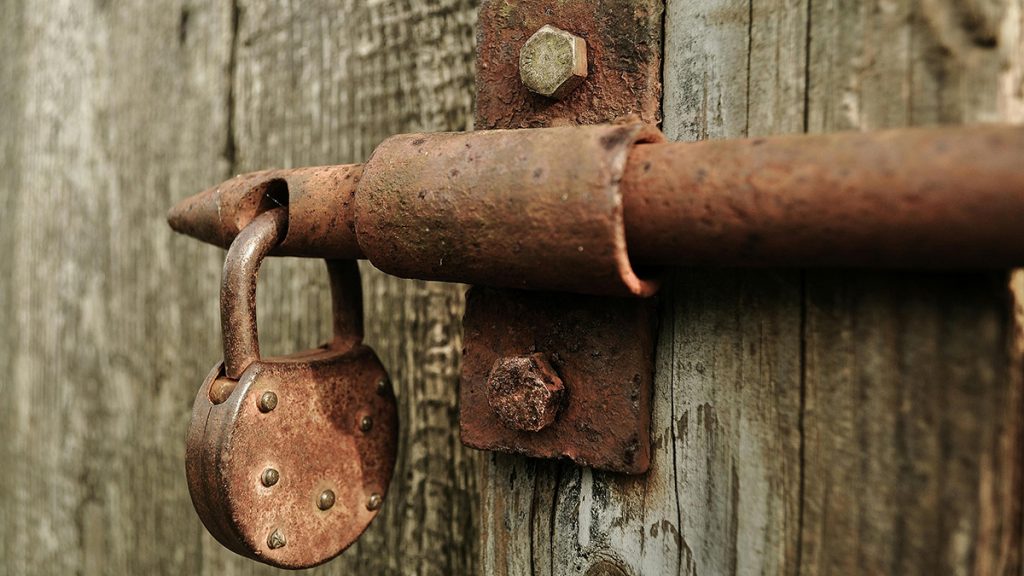
If you’ve ever walked into your shop on a Monday morning only to find a forest of orange “freckles” on your expensive table saw, you know the heartbreak of cast iron rust. Cast iron is incredibly stable and flat, but it’s also highly porous and chemically “hungry” for oxygen and moisture.
Whether you work in a humid garage or a climate-controlled basement, your cast iron tops need a protective barrier. A rusted table doesn’t just look bad— it creates friction that interferes with precise cutting and can stain your clean wood. Here are the top 5 products and methods on Amazon to keep your shop surfaces “silver-bright” and slick.
Rust Prevention Comparison
| Product Type | Best For | Durability | Lubrication |
| Paste Wax (Johnson’s) | Traditional Shops | Moderate | High (Very Slick) |
| Bostik GlideCote | Professional Daily Use | High | Exceptional |
| Boeshield T-9 | Long-Term Storage | Extreme | Moderate |
| Maguiars CorrosionX | High-Humidity Areas | High | Moderate |
| WD-40 Specialist (Silicone) | Quick Touch-Ups | Low | High |
1. The Woodworker’s Classic: Paste Wax
For generations, Paste Wax has been the standard. It’s a mix of Carnauba and Beeswax that fills the microscopic pores of the iron.
Why it’s perfect for woodworkers:
Unlike automotive waxes, a dedicated shop paste wax contains zero silicone. Silicone is a woodworker’s nightmare—if even a tiny bit gets on your wood, it will ruin your varnish or oil finish later. Paste wax creates a beautiful, slick surface that makes boards slide like they are on ice.
-
Pros: Very inexpensive, no silicone, doubles as a lubricant.
-
Cons: Requires manual buffing; needs reapplication every few weeks.
-
Top Pick: Minwax Paste Finishing Wax.
2. The Professional Choice: Bostik GlideCote
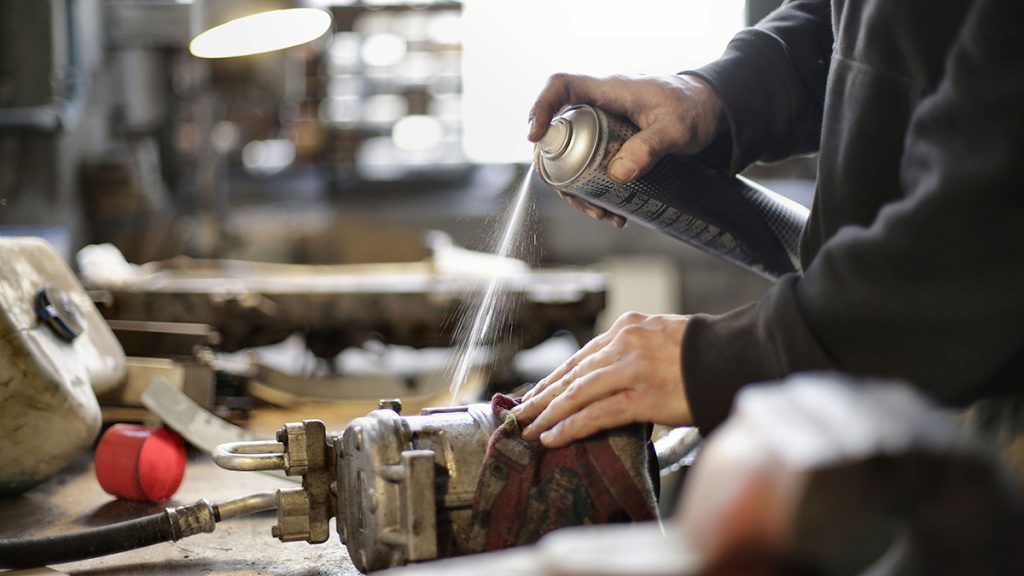
Formerly known as TopCote, GlideCote is a specialized aerosol spray designed specifically for woodworking machinery.
Why it’s essential:
It creates a dry polymer film that is much thinner and harder than wax. It reduces surface friction by up to $30\%$, which is a massive safety benefit when pushing heavy oak slabs through a saw. It doesn’t attract sawdust, keeping your table cleaner for longer.
-
Pros: Easiest to apply, lasts longer than wax, zero oily residue.
-
Cons: More expensive than a can of wax.
3. Best for Humid Garages: Boeshield T-9
Developed by The Boeing Company for aircraft components, T-9 is a heavy-duty solvent/wax formula that penetrates deep into metal pores.
Why it’s essential:
If your shop isn’t climate-controlled, T-9 is your best defense. It dries to a thin, waxy film that can withstand condensation and even direct salt air. It is the gold standard for “winterizing” a jointer or planer that won’t be used for a few months.
-
Pros: Best-in-class rust protection, waterproof, paraffin-based.
-
Cons: Can feel slightly “tacky” (sticky) if not buffed off properly.
4. The Deep Clean: Evapo-Rust Gel
If the rust has already started, you can’t just wax over it. You need to remove the oxidation without scratching the precision-ground surface with sandpaper.
Why it’s perfect for woodworkers:
Evapo-Rust is a non-toxic, pH-neutral liquid that “eats” iron oxide but leaves the healthy metal alone. The gel version is perfect for vertical surfaces like the sides of a drill press or the columns of a lathe.
-
Pros: No scrubbing required, safe on skin, reusable.
-
Cons: After use, the metal is “naked” and will rust again in minutes if not immediately waxed.
5. The Low-Tech Shield: Magnetic Tool Covers
Sometimes the best defense is a physical one. Magnetic covers (or “tool pajamas”) are heavy vinyl sheets that stick to your cast iron top when it’s not in use.
Why it’s essential:
Rust often starts when dust sits on a table and absorbs moisture from the air. A magnetic cover creates an airtight seal that prevents “sweating.” It also protects your table from coffee spills or scratches from hand tools.
-
Pros: Zero chemical application, 100% effective against falling moisture.
-
Cons: Must be removed every time you want to work.
3 Rules for Rust-Free Tools
-
The “Hands-Off” Policy: Human sweat is highly acidic and salty. If you rest your bare palms on a clean cast iron table and walk away, you will see handprints made of rust by tomorrow morning. Always wipe the table down with a microfiber cloth after touching it.
-
Scrub with Scotch-Brite: If you see light surface rust, don’t use steel wool (it leaves tiny fragments that rust even faster). Use a Maroon Scotch-Brite pad with a little bit of mineral spirits to gently scrub the surface back to a shine.
-
Dehumidify: The best product is a Shop Dehumidifier. Keeping your workshop below $50\%$ humidity is the only way to stop rust at the source.
Final Verdict
-
For daily shop maintenance, use Bostik GlideCote.
-
For restoring an old tool, start with Evapo-Rust.
-
For unbeatable protection in a damp garage, go with Boeshield T-9.
Read too: How to Clean Saw Blades: Best Cleaners to Remove Pitch
Disclaimer: As an Amazon Associate, I earn from qualifying purchases. Conquer the elements!