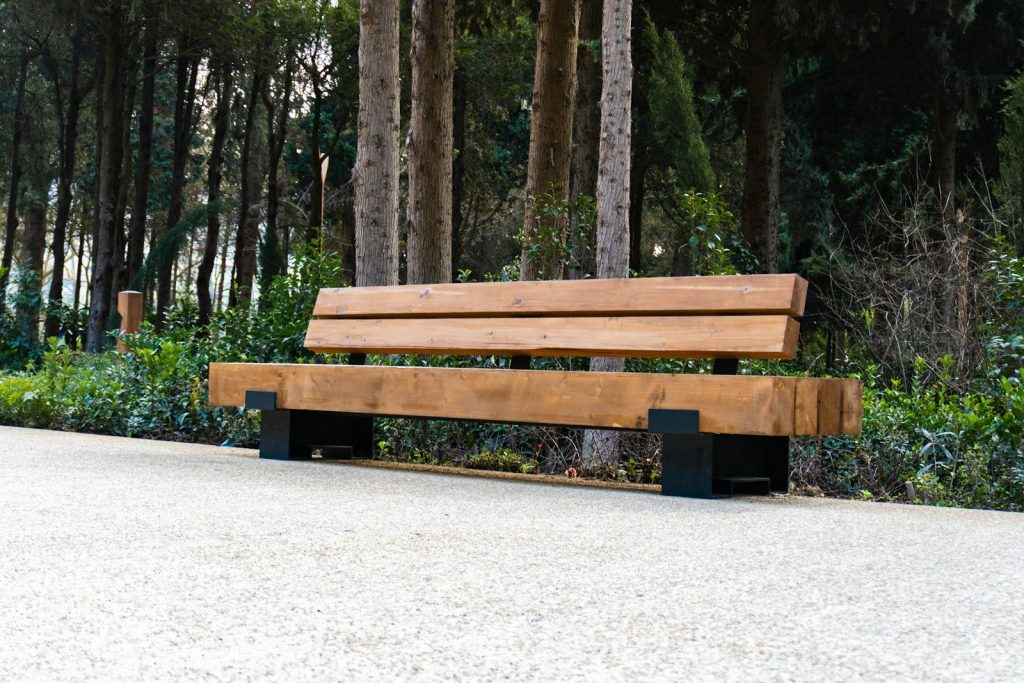
Building or buying outdoor furniture is an investment in your home’s lifestyle. Whether it’s a classic Adirondack chair for the fire pit or a massive dining table for the patio, the wood you choose has to fight a constant battle against UV rays, moisture, wood-boring insects, and rot.
Not all “outdoor” wood is created equal. Some species require yearly oiling, while others can be left to weather into a beautiful silvery gray. Here is our expert breakdown of the best wood species for durability, aesthetics, and value in 2026.
Outdoor Wood Comparison Table
| Wood Species | Durability | Rot Resistance | Price | Best For |
| Teak | Exceptional | Natural Oils |
|
Luxury sets / Boats |
| Western Red Cedar | High | Natural Tannins | $$ | Pergolas / Chairs |
| White Oak | High | Tight Grain | $$$ | Heavy-duty tables |
| Ipe (Brazilian Walnut) | Extreme | High Density |
|
Decking / Modern sets |
| Pressure-Treated Pine | Moderate | Chemical Treatment | $ | Budget builds / Frames |
1. The Gold Standard: Teak
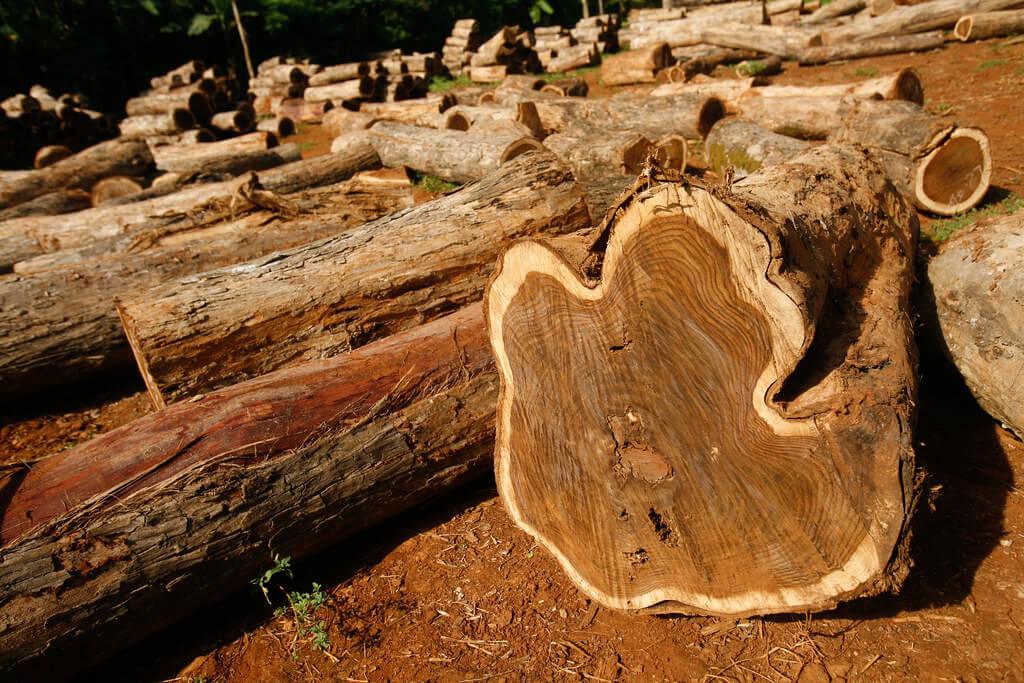
Teak is widely considered the king of outdoor timber. It contains a high concentration of natural oils and rubber that stay in the wood even after it’s been cut and kiln-dried.
Why it’s perfect for woodworkers:
Teak is essentially “self-lubricating.” It won’t warp, crack, or become brittle in the sun. While it’s the most expensive option, it can last for 50 to 70 years outdoors with minimal maintenance.
-
Pros: Incredible longevity, beautiful honey-gold color, resists termites.
-
Cons: Very expensive; can be hard on saw blades due to high silica content.
2. The Backyard Classic: Western Red Cedar
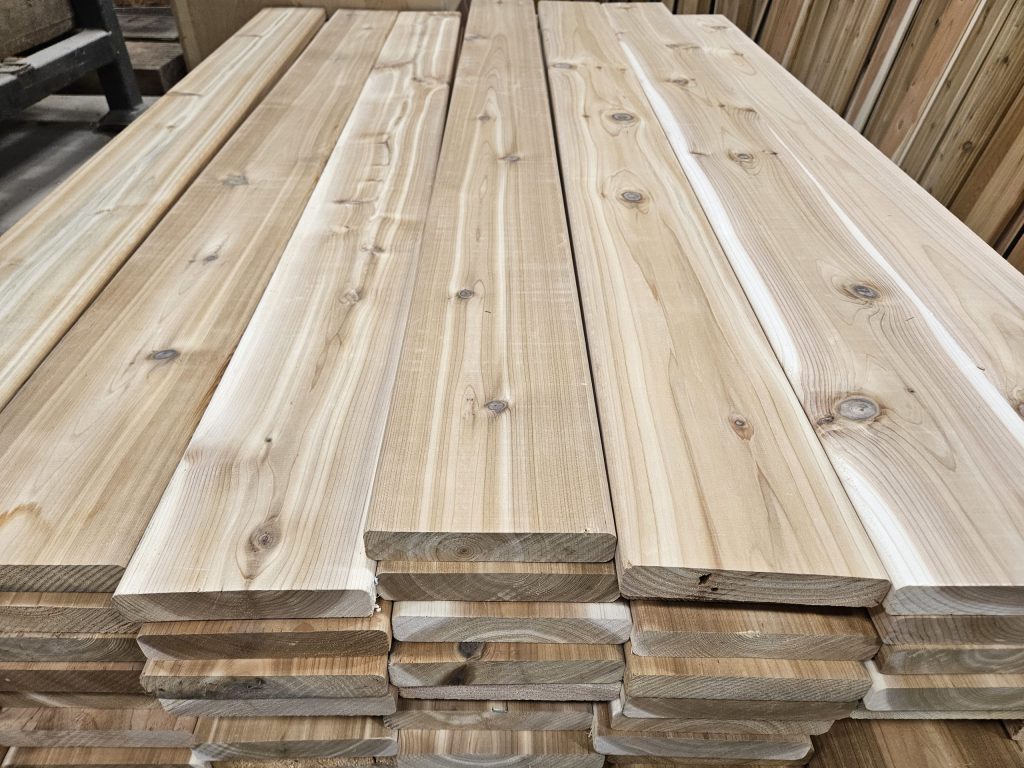
If you want the best balance of performance and price, Cedar is the answer. It’s lightweight, easy to work with, and naturally resistant to decay.
Why it’s essential:
Cedar contains “thujaplicins”—natural preservatives that make the wood unappetizing to bugs and fungi. It doesn’t shrink or swell as much as other woods, making it perfect for picnic tables.
-
Pros: Affordable, beautiful aroma, easy to stain or paint.
-
Cons: Soft wood; it can dent or scratch easily if hit by lawn equipment.
3. The American Powerhouse: White Oak
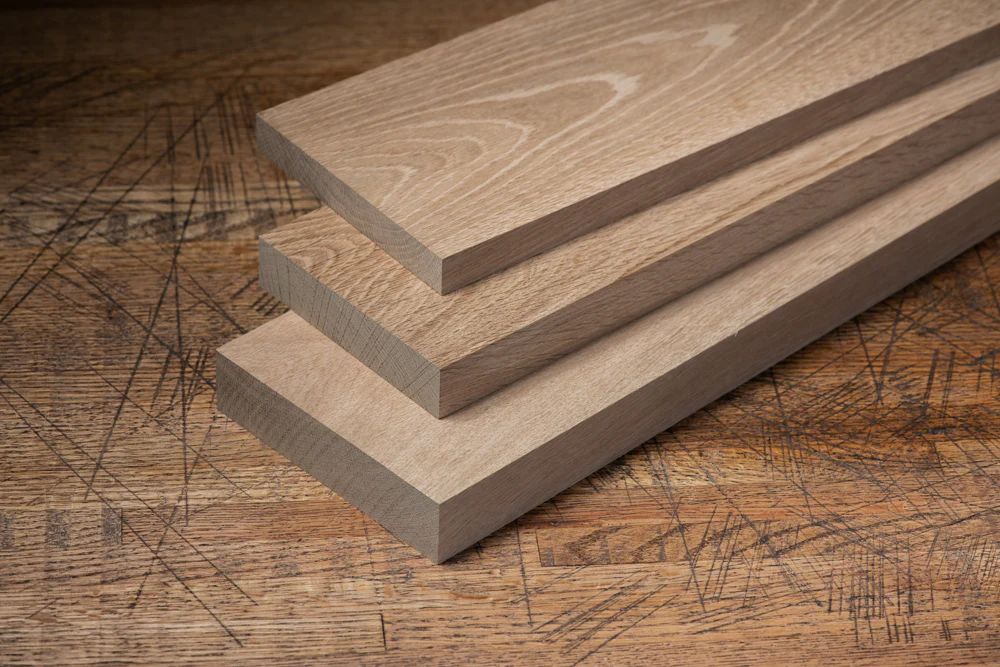
Don’t confuse this with Red Oak (which rots quickly). White Oak is a “closed-pore” hardwood, meaning its grain is plugged with a natural substance called tyloses that makes it nearly waterproof.
Why it’s perfect for woodworkers:
This is the wood used to build whiskey barrels and old sailing ships. It is incredibly strong and heavy. If you are building a modern farmhouse table for a windy patio, the weight of White Oak will keep it from blowing away.
-
Pros: Extremely tough, beautiful grain, historical durability.
-
Cons: Can react with steel screws (use stainless steel fasteners to avoid black stains).
4. The “Ironwood”: Ipe (Brazilian Walnut)
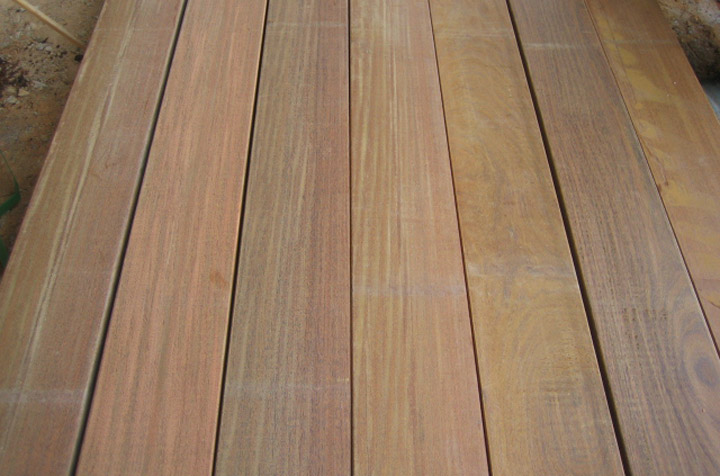
Ipe is a tropical hardwood from South America that is so dense it actually sinks in water. It has a Class A fire rating, the same as steel and concrete.
Why it’s essential:
If you want a modern, “minimalist” look that will survive a hurricane, Ipe is the choice. It is almost impossible to rot. However, it is so hard that you must pre-drill every single hole.
-
Pros: Lasts 40+ years without chemicals, scratch-resistant, gorgeous dark brown color.
-
Cons: Very difficult to work with; requires specialized carbide-tipped tools.
5. The Budget Hero: Pressure-Treated (PT) Pine
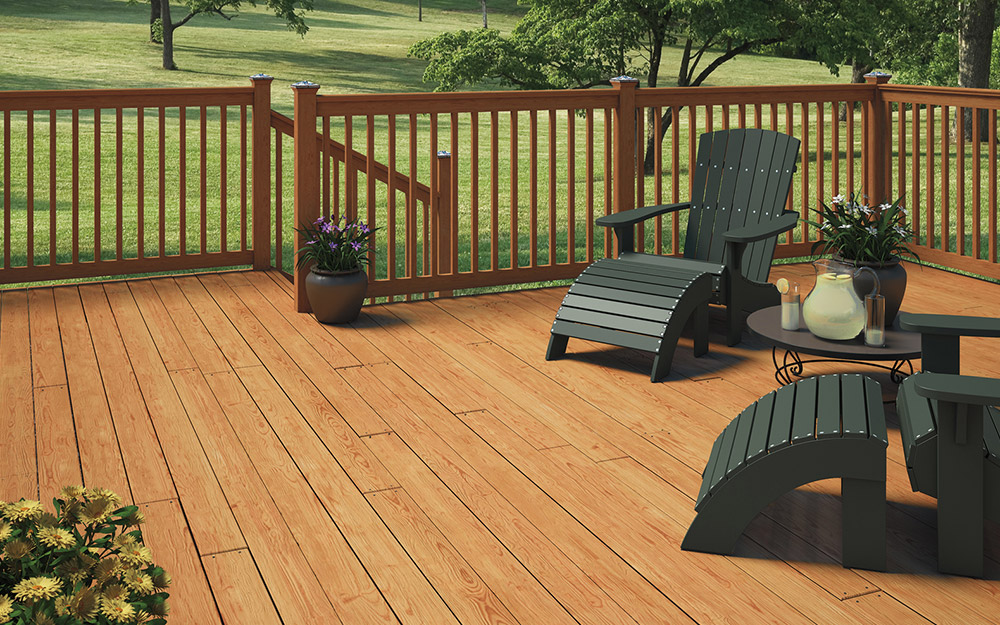
For many homeowners, PT Pine is the only affordable way to build a large deck or a garden bridge. This is Southern Yellow Pine that has been infused with chemical preservatives (usually copper-based) under high pressure.
Why it’s perfect for woodworkers:
It is the most accessible wood at any local lumber yard. Modern “Ground Contact” rated pine is very effective against rot and termites.
-
Pros: Lowest cost, widely available, easy to cut.
-
Cons: Prone to warping and “checking” (splitting) as it dries; requires a high-quality sealer.
3 Tips for Outdoor Wood Longevity
-
Seal the “End Grain”: The ends of your boards act like straws, sucking up moisture from the ground. Always apply extra exterior wood sealer to the bottom of legs and the ends of tabletops.
-
Use the Right Hardware: Never use interior screws. The tannins in woods like Cedar and Oak will corrode standard screws, leaving ugly black streaks. Always use Stainless Steel or Ceramic-Coated Deck Screws.
-
To Oil or Not to Oil? If you love the “new wood” look, you must apply a UV-Protective Oil every 1–2 years. If you prefer a “driftwood” look, you can let Teak or Cedar weather naturally to a silver-gray.
Final Verdict
-
For a luxury, lifetime investment, choose Teak.
-
For the best value-to-performance ratio, go with Western Red Cedar.
-
For heavy-duty structural furniture, White Oak is the winner.
Read too: 5 Easy Woodworking Projects for Beginners Using Only One Tool