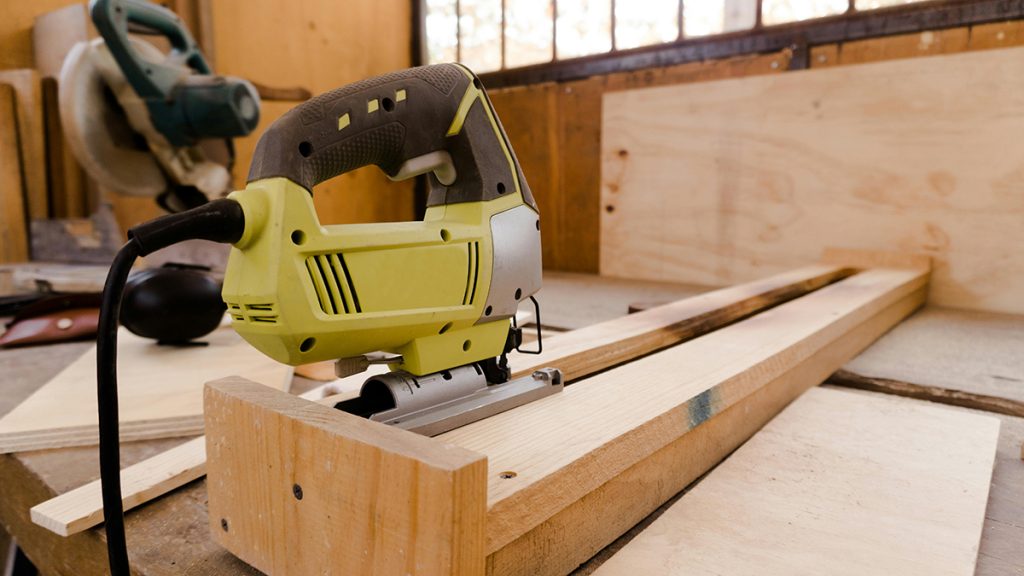
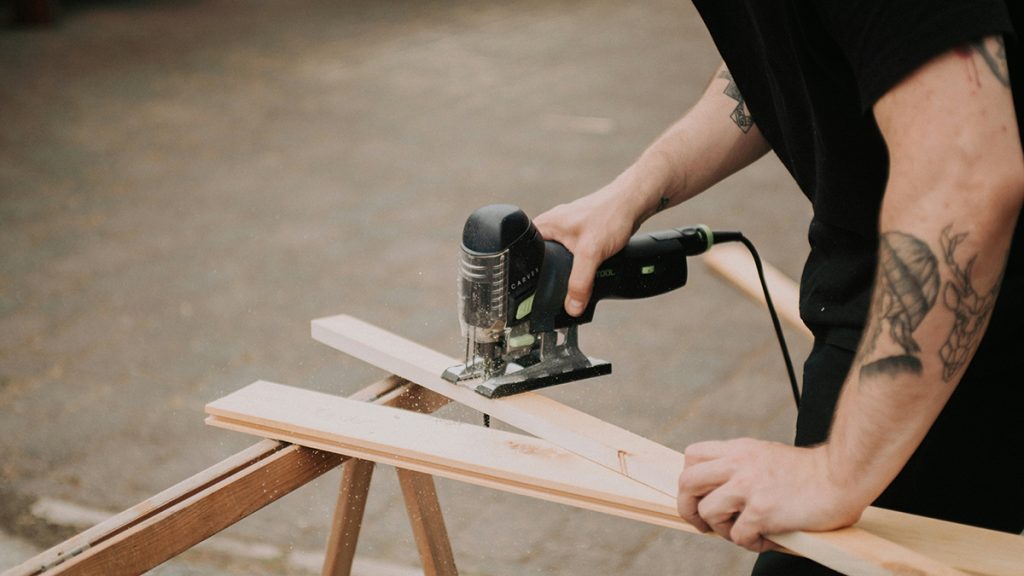
The secret to a perfect cut isn’t just the jigsaw—it’s the blade’s geometry. For hardwoods, you need a blade that can handle density without overheating or “wandering” (bending) during the cut. Standard blades often leave “tear-out” on the top surface of your plywood or solid wood.
To achieve a furniture-grade finish, you need blades with ground (not milled) teeth and a high TPI (Teeth Per Inch) count. Here are the top 5 jigsaw blades on Amazon that deliver the cleanest cuts in hardwood for 2026.
Jigsaw Blade Comparison Table
| Model | Teeth Per Inch (TPI) | Material | Best For |
| Bosch T308B | 12 TPI | High Carbon Steel | Extra-Clean (Top & Bottom) |
| Diablo Steel Demon | 10 TPI | Bi-Metal | Hardwood & Thick Stock |
| Festool Wood Fine | 10 TPI | HCS | Precision Curves |
| Bosch T101BR | 10 TPI | HCS | Reverse Tooth (Zero Tear-out) |
| Starrett Bi-Metal | 6-10 TPI | Bi-Metal | Durability / Long Life |
1. The Innovation Leader: Bosch T308B (Extra Clean for Wood)
Bosch is the gold standard for jigsaw blades, and the T308B is their “masterpiece” for woodworkers.
Why it’s perfect for hardwood:
It features a unique “Extra Clean” design with two rows of teeth at different angles. This allows the blade to cut cleanly on both the top and bottom surfaces of the wood simultaneously. If you are cutting finished panels or thin veneers, this is the only blade that guarantees zero splinters.
-
Pros: Cleanest finish in the industry; precise tracking; long-lasting.
-
Cons: Slower cutting speed than coarse-tooth blades.
2. The Heavy-Duty Choice: Diablo Bi-Metal (Steel Demon technology)
While the name says “Steel Demon,” Diablo’s bi-metal wood blades are built for the toughest Hard Maple and Exotic woods.
Why it’s essential:
The bi-metal construction means the teeth stay sharp $5\times$ longer than standard carbon steel. The teeth are variable-pitch, which helps clear sawdust faster and prevents the blade from overheating—a common cause of burn marks on the wood.
-
Pros: Exceptional durability; handles thick material (up to 2 inches); reduces heat.
-
Cons: Leaves a slightly “toothy” texture that requires light sanding.
3. The Precision Specialist: Festool S 75/2.5 (Wood Fine Cut)
If you are using a high-end Festool Carvex or any professional jigsaw, this blade is designed for architectural precision.
Why it’s perfect for woodworkers:
The teeth are “cross-ground” and taper-back, meaning the body of the blade is thinner than the teeth. This prevents friction and allows for tight, intricate curves without scorching the edges of the wood.
-
Pros: Surgical precision; best for delicate furniture parts; zero vibration.
-
Cons: Expensive per blade; best suited for 1-inch stock or thinner.
4. Best for Laminates: Bosch T101BR (Reverse Tooth)
Standard blades cut on the “up-stroke,” which causes splinters on the visible top side. The “BR” in this model stands for Reverse Tooth.
Why it’s essential:
The teeth point downward. This keeps the top surface of your butcher block countertop or pre-finished plywood perfectly crisp. It’s a must-have for anyone installing kitchen cabinets where the top face cannot be hidden.
-
Pros: No tear-out on the face side; very stable.
-
Cons: The saw will want to “push up” during the cut—you must apply firm downward pressure.
5. The All-Rounder: Starrett Bi-Metal Dual Cut
Starrett is a legend in measuring tools, but their “Dual Cut” blades are a hidden gem in the woodworking world.
Why it’s perfect for woodworkers:
These blades feature a unique tooth geometry that cuts in both directions of the stroke. It minimizes vibration, which is the main cause of blade deflection (when the bottom of the cut doesn’t match the top).
-
Pros: Very stiff blade body (less bending); works well on medium-to-hard woods.
-
Cons: Harder to find in local stores; usually an Amazon-only specialty item.
3 Rules for Jigsaw Precision
-
Turn Off the Orbital Action: Most modern jigsaws have a “pendulum” or orbital setting (0-3). While settings 2 and 3 are fast, they are aggressive and messy. For clean cuts in hardwood, always use setting 0 or 1.
-
Let the Blade Work: Don’t “shove” the saw forward. If you apply too much pressure, the blade will flex backwards and create a beveled edge instead of a square one. Guide it gently and let the TPI do the cutting.
-
The Tape Trick: If you don’t have a reverse-tooth blade, apply a layer of blue painter’s tape over your cut line. This supports the wood fibers and significantly reduces tear-out on the top surface.
Final Verdict
-
For the cleanest possible cut on both sides, choose the Bosch T308B.
-
For maximum durability in dense hardwoods, go with Diablo Bi-Metal.
-
For visible top surfaces (countertops/veneers), the Bosch T101BR is your best friend.
Read too: Best Jigsaws for Detailed Woodworking and Curves
Disclaimer: As an Amazon Associate, I earn from qualifying purchases. Conquer the elements!