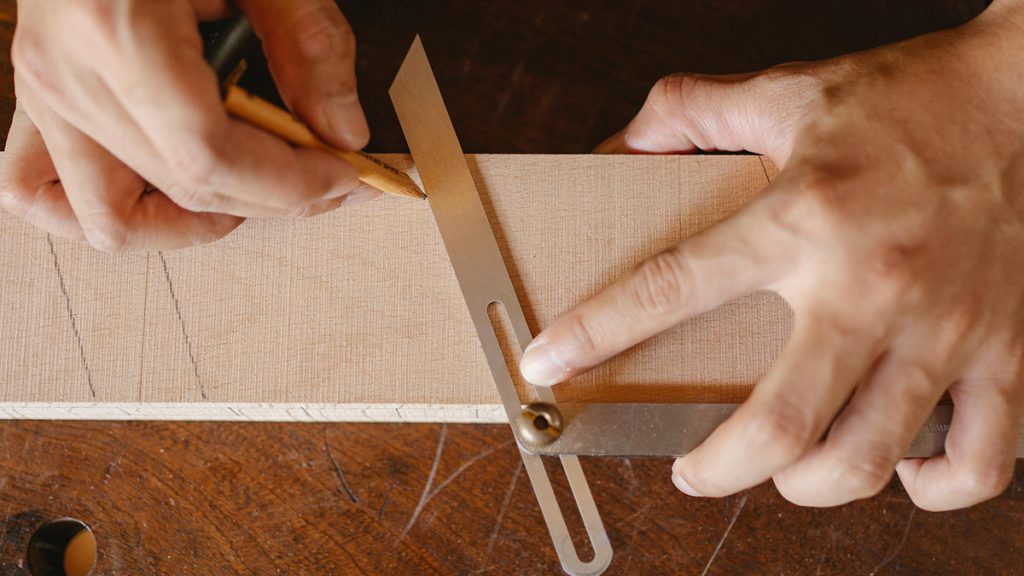
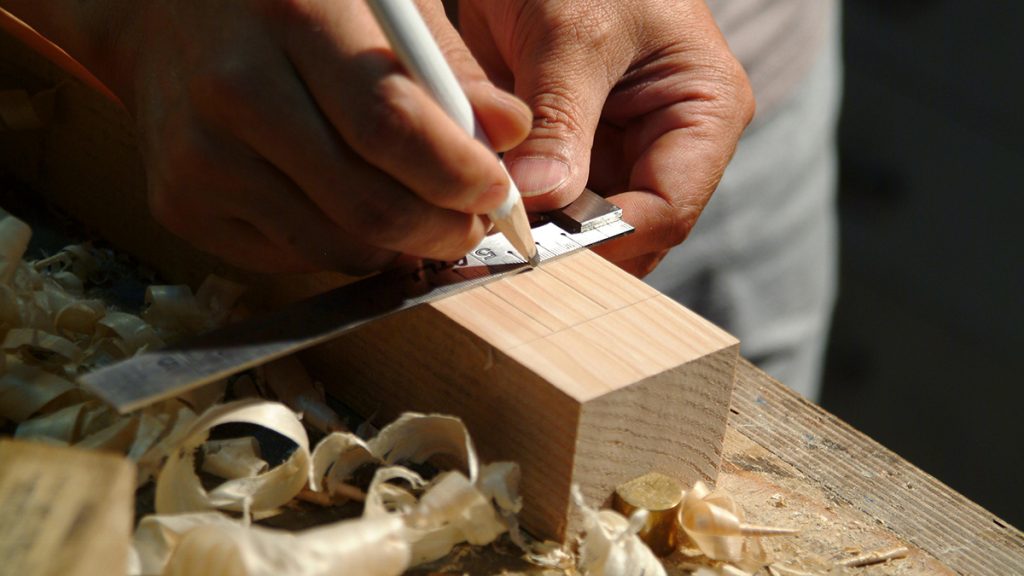
In woodworking, a pencil line is often too thick. If you want a gap-free fit for your tenons or inlays, you need a physical “knife wall.” A marking gauge creates a microscopic groove that your hand saw or chisel can drop into for perfect registration.
There are two main contenders: the traditional Pin Gauge, which uses a sharp needle, and the modern Wheel Gauge, which uses a hardened steel circular blade. Whether you are building an heirloom chest or just truing up a board, here are the top 5 marking gauges on Amazon for dead-accurate layout.
Marking Gauge Comparison Table
| Model | Type | Blade Material | Adjustment | Key Feature |
| Tite-Mark (Glen-Drake) | Wheel | A2 Tool Steel | Micro-Adjust | The Industry Standard |
| NewerVer Dual Wheel | Dual Wheel | Hardened Steel | Thumb Screw | Best for Mortises |
| iGaging Wheel Gauge | Wheel | Stainless Steel | Metric/Imperial | Best Budget Value |
| Crown 153 Rosewood | Pin & Mortise | Hardened Steel | Brass Screw | Traditional Luxury |
| Woodriver Wheel Gauge | Wheel | Tool Steel | Non-Rolling Head | Solid Mid-Range |
1. The Professional Standard: Tite-Mark Wheel Gauge
The Tite-Mark is the tool that changed marking gauges forever. It is widely considered the best in the world because of its weight and balance.
Why it’s perfect for woodworkers:
The wheel is “single-sided” (beveled on only one side), which pulls the fence tight against your wood for a perfectly straight line. The standout feature is the micro-adjust—you can move the cutter by $0.001$ inches without losing your primary setting. It is the king of dovetail layout.
-
Pros: Micro-adjustment, superior heft, blade retracts for protection.
-
Cons: Premium price point.
2. Best for Mortises: NewerVer Dual Wheel Marking Gauge
A “mortise gauge” needs to mark two parallel lines at once. This dual-wheel model is a modern upgrade to the heavy wooden blocks of the past.
Why it’s essential:
It features two independent rods. You can set the width of your chisel once and transfer that exact measurement to every joint in your project. It saves hours of re-measuring and ensures that every tenon fits perfectly into its corresponding hole.
-
Pros: Two-line marking, solid brass body, stainless steel rods.
-
Cons: Can be slightly tricky to set both wheels initially.
3. Best Budget Value: iGaging Wheel Marking Gauge
iGaging has a reputation for high-precision tools at DIY prices. Their wheel gauge is a “must-have” for any new shop.
Why it’s perfect for woodworkers:
It features a laser-etched scale in both Metric and Imperial. The head is made of solid brass with a flat “anti-roll” spot, so it won’t roll off your workbench and damage the sharp cutter. It’s perfect for marking out hinge gains.
-
Pros: Very affordable, etched measurements, high-quality brass.
-
Cons: Lacks a micro-adjustment screw for ultra-fine tuning.
4. The Heirloom Choice: Crown 153 Rosewood Pin Gauge
For the woodworker who loves the smell of natural oils and the feel of wood, this British-made Crown gauge is a masterpiece.
Why it’s essential:
Made of plantation-grown Rosewood and solid brass, it uses a traditional steel pin. While pins can “wander” if they hit a heavy grain line in Oak, they are superior for marking with the grain. This tool features a second pin on the back for marking double lines.
-
Pros: Beautiful aesthetics, traditional feel, dual-purpose (single/double pin).
-
Cons: Requires more skill to prevent the pin from following the wood grain.
5. Most Comfortable: Woodriver Wheel Marking Gauge
Woodriver’s version is a solid, no-nonsense tool that features a very comfortable, oversized brass head.
Why it’s perfect for woodworkers:
The circular blade does not rotate during the cut; it acts like a stationary knife. This prevents the “tear-out” you often get with Pine or Fir. The heavy head provides the momentum needed to slice through tough fibers in one clean pass.
-
Pros: Great ergonomics, heavy brass fence, very stable.
-
Cons: The thumbscrew can sometimes loosen under heavy vibration.
3 Rules for Precision Marking
-
Cut, Don’t Scratch: When using a wheel gauge, lean the tool slightly away from you so only the edge of the wheel touches the wood. Don’t press hard—two light passes are always better than one heavy pass that might slip.
-
The “Knife Wall”: After you mark your line, use a sharp chisel to lightly deepen the groove. This creates a physical “wall” that stops your saw from wandering during the start of a cut.
-
Oil the Rods: To keep the adjustment silky smooth, apply a tiny drop of dry lubricant to the rods once a month. This prevents sawdust from jamming the locking mechanism.
Final Verdict
-
For the ultimate furniture-making precision, invest in the Tite-Mark.
-
For mortise and tenon joinery, the NewerVer Dual Wheel is the best choice.
-
For a classic look and feel, you can’t beat the Crown Rosewood Pin Gauge.
Read too: Best Woodworking Marking Knives: Why a Pencil Isn’t Enough
Disclaimer: As an Amazon Associate, I earn from qualifying purchases. Conquer the elements!