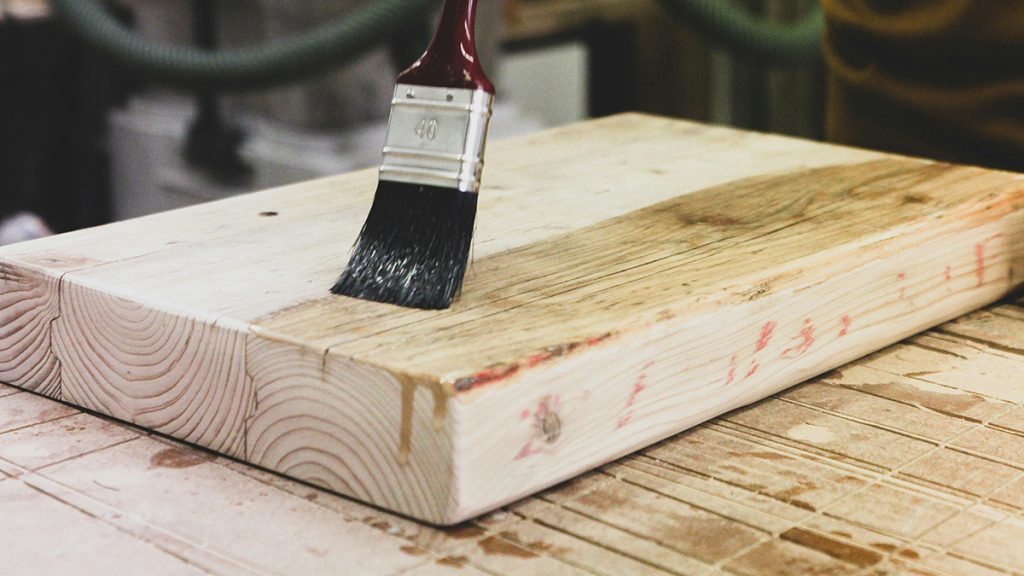
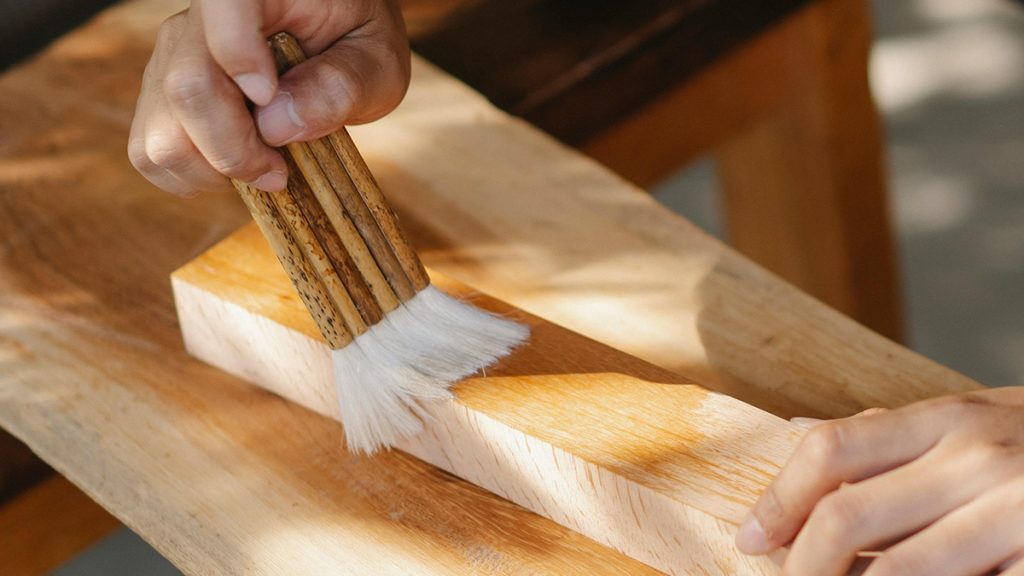
You’ve spent weeks cutting, jointing, and sanding your project to perfection. Now comes the most nerve-wracking part: the finish. Choosing between Polyurethane and Lacquer isn’t just about looks; it’s about how much abuse the piece will take and how fast you want to get the job done.
One will give you a “bulletproof” shield, while the other offers a professional, high-gloss factory look. Which one should you reach for?
We’ve broken down the pros and cons of both, along with the best products on Amazon to ensure your project looks its best for years to come.
Quick Comparison Table
| Feature | Polyurethane | Lacquer |
| Durability | Extremely High (Heat/Water) | Moderate (Scratches/Spills) |
| Application | Brush, Wipe, or Spray | Primarily Spray |
| Drying Time | Slow (2–12 hours) | Ultra-Fast (15–30 mins) |
| Ease of Repair | Difficult (Requires Sanding) | Easy (Melts into itself) |
| Best For | Floors, Tables, Kitchens | Cabinets, Musical Instruments |
1. Polyurethane: The Invisible Armor
Polyurethane is essentially liquid plastic. It’s the go-to finish for anything that will see a lot of “life”—meaning dinner plates, wet cups, or heavy foot traffic.
Why it’s perfect for woodworkers:
It is incredibly tough. Oil-based polyurethane gives a warm, amber glow to woods like Oak, while water-based versions stay perfectly clear. It’s forgiving for beginners because you can apply it with a simple High-Quality Foam Brush without needing a professional spray booth.
-
Pros: Heat and water resistant, extremely durable, easy to find.
-
Cons: Slow drying time means more “dust nibs” can land in the wet finish.
-
Top Pick: Minwax Fast-Drying Polyurethane is the industry standard for a reason.
2. Lacquer: The Professional’s Secret
If you’ve ever admired the glass-smooth finish on a high-end guitar or a luxury kitchen cabinet, you were likely looking at Lacquer.
Why it’s perfect for woodworkers:
Lacquer is all about speed and aesthetics. It dries so fast that dust doesn’t have time to settle. The best part? Lacquer is “self-leveling.” Each new coat melts into the previous one, meaning you never get “witness lines” or layers. It’s the easiest finish to repair—just spray more on top, and it dissolves the scratch.
-
Pros: Professional high-gloss look, dries in minutes, easy to repair.
-
Cons: High VOCs (requires a P100 Respirator), less resistant to heat and water than poly.
-
Top Pick: Watco Lacquer Finish in a spray can is the best way for beginners to get pro results.
Which Finish Should You Use?
Use Polyurethane if…
-
You are building a dining table, coffee table, or desk.
-
You are finishing a hardwood floor.
-
You don’t have a spray setup and want to use a brush or rag.
-
You want the maximum possible protection against water rings.
Use Lacquer if…
-
You are building decorative items like jewelry boxes or picture frames.
-
You are finishing kitchen cabinet doors.
-
You want a high-gloss, mirror finish.
-
You are in a rush and want to apply 3 coats in a single afternoon.
Pro Tips for a Flawless Finish
-
The “Tack Cloth” Rule: Before applying any finish, wipe your wood with a Tack Cloth. Even the tiniest speck of dust will look like a mountain under Polyurethane.
-
Watch the Temperature: Never apply finish in a garage that is too cold (below 55°F/13°C) or too humid. It will stay tacky or turn cloudy (a phenomenon called “blushing”).
-
Sand Between Coats: For both finishes, use 320-grit or 400-grit sandpaper between coats. This removes small bumps and gives the next layer something to “bite” into.
Final Verdict
-
For maximum durability, go with Polyurethane.
-
For maximum beauty and speed, go with Lacquer.
Disclaimer: As an Amazon Associate, I earn from qualifying purchases. Conquer the elements!
Read too: Eco-Friendly Wood Finishes: Best Non-Toxic Options