If the table saw is the heart of the workshop, choosing the wrong one is like picking a motor that’s too weak for your truck. In the woodworking world, the debate between Jobsite and Cabinet saws is legendary.
One is built for mobility and the “weekend warrior,” while the other is a massive, precision machine designed to last a lifetime. But which one is right for your specific garage shop?
We’ve broken down the key differences in power, precision, and price to help you make the smartest investment for your woodworking journey.
Quick Comparison Table
| Feature | Jobsite Table Saw | Cabinet Table Saw |
| Weight | 50 – 100 lbs (Portable) | 400 – 600+ lbs (Stationary) |
| Motor | Universal (Loud, Brushes) | Induction (Quiet, Belt-drive) |
| Power | 120V / 15 Amp | 220V / 3–5 HP |
| Top Material | Aluminum / Plastic | Solid Cast Iron |
| Price Range | $300 – $650 | $2,000 – $5,000+ |
1. Jobsite Table Saws: The King of Portability
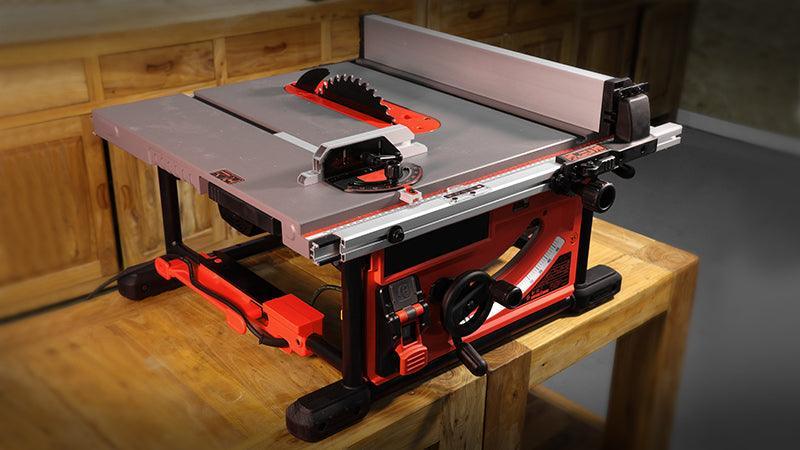
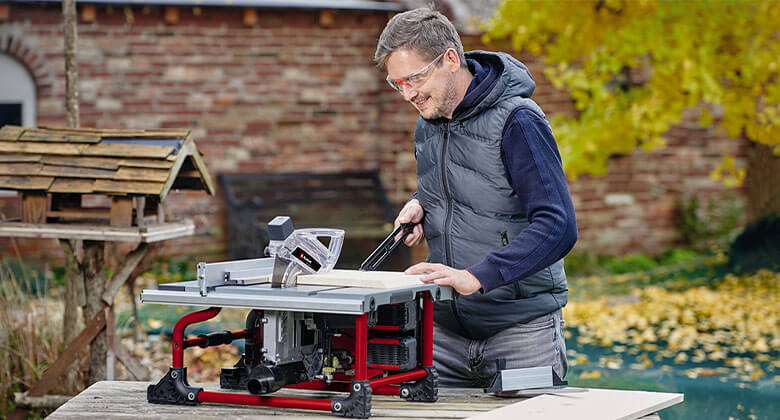
Jobsite saws (also called benchtop saws) are designed for contractors who move from one house to another. Brands like DeWalt and Skilsaw dominate this category.
Why it might be right for you:
If you have a shared garage and need to park the car inside every night, a jobsite saw on a rolling stand is a lifesaver. Modern jobsite saws are surprisingly powerful and can rip through 2x4s and plywood all day long.
-
Pros: Compact, affordable, and easy to tuck away.
-
Cons: The aluminum top is often small, making it dangerous to cut large 4×8 sheets of plywood. They are also very loud and vibrate significantly.
-
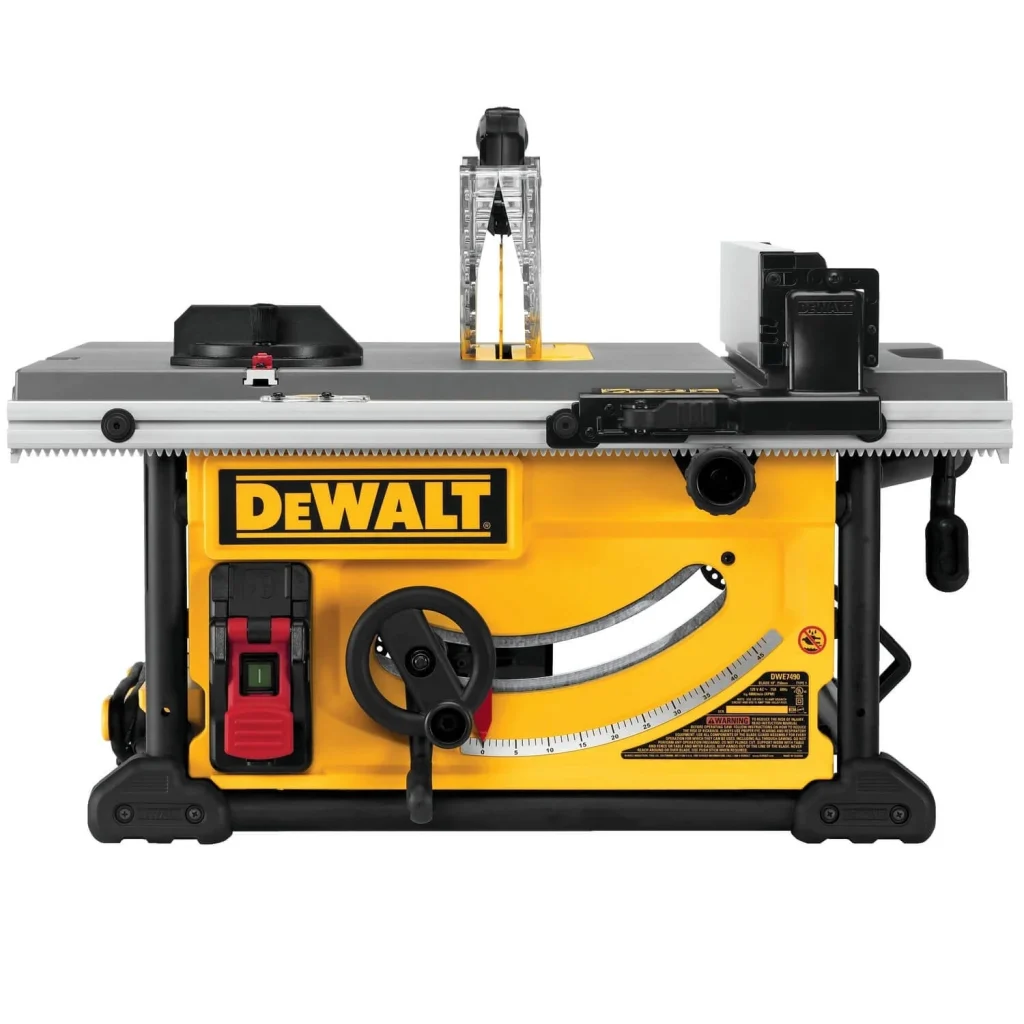
Top Pick: DEWALT DWE7491RS 10-Inch (The gold standard for portability).
2. Cabinet Table Saws: The Precision Powerhouse
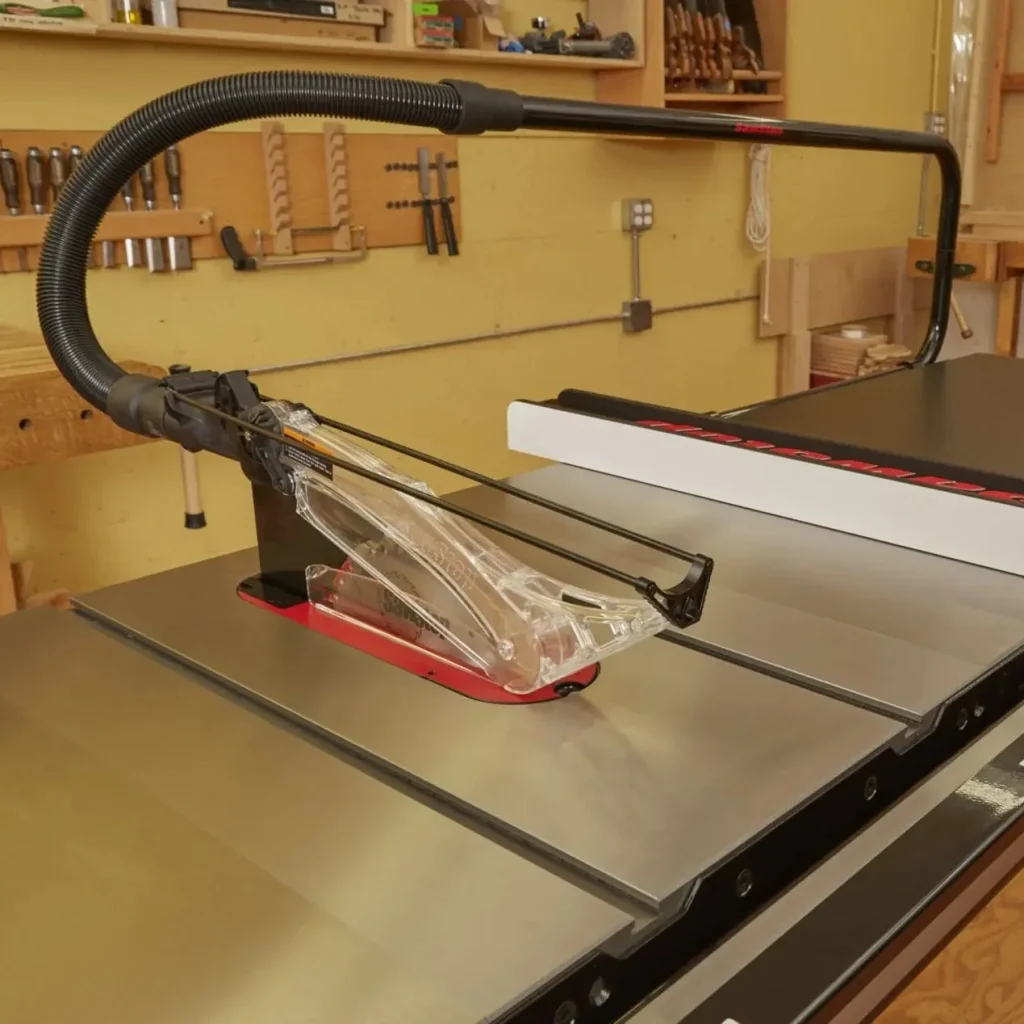
A cabinet saw is a massive beast enclosed in a heavy steel cabinet. These are the machines you see in professional furniture shops and high-end YouTube workshops.
Why it might be right for you:
If you are serious about fine furniture, a cabinet saw is the ultimate tool. The top is made of heavy cast iron, which dampens vibration and provides a perfectly flat surface. The fence systems on cabinet saws are incredibly accurate—once you lock it in, it stays perfectly parallel to the blade.
-
Pros: Near-silent induction motor, incredible precision, massive table surface for safety.
-
Cons: Extremely heavy (hard to move), requires a dedicated 220V electrical circuit, and has a high entry price.
-
Top Pick: SawStop Professional Cabinet Saw (Famous for its flesh-sensing safety technology).
The “Hybrid” Middle Ground
If you want the cast iron top of a cabinet saw but only have a 110V outlet and a $1,000 budget, you should look at Hybrid Saws. They offer a compromise: more precision than a jobsite saw, but without the extreme weight and price of a full cabinet saw.
3 Critical Questions to Ask Before Buying
-
What is your power supply? Most cabinet saws require 220V. If you only have standard household outlets, you’re limited to a Jobsite or a lower-powered Hybrid saw.
-
What are you building? If you’re building decks, garden beds, and rough furniture, a Jobsite saw is plenty. If you’re building cabinets with perfect miters and fine drawers, you’ll grow frustrated with a jobsite saw’s lack of precision.
-
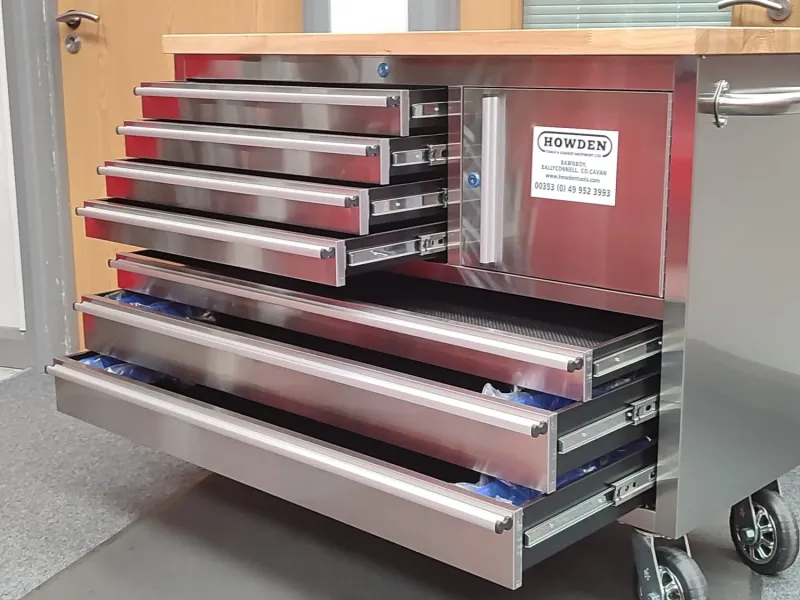
How much space do you have? A cabinet saw needs a permanent home. A jobsite saw can be hung on a wall or put under a Rolling Workbench.
Final Verdict
-
Choose a Jobsite Saw if: You are a beginner on a budget, have a tiny workspace, or mostly do home renovation projects.
-
Choose a Cabinet Saw if: You are building fine furniture, have the space for a permanent machine, and want a tool that you will never need to upgrade.