There is something magical about the sound of a perfectly tuned hand plane taking a whisper-thin shaving off a piece of Walnut. For centuries, the hand plane was the only way to get a board flat and smooth. Even in today’s world of power sanders, a hand-planed surface is superior—it leaves the wood pores open and the grain crisp, rather than “clogged” with dust.
If you are looking to flatten a warped board or smooth out a tabletop before finishing, you need the right tool for the job. Here are the top 5 hand planes on Amazon that offer precision right out of the box.
Quick Comparison Table
| Model | Best For | Size (Type) | Material |
| Stanley Sweetheart No. 4 | Overall Best Smoother | No. 4 Smoothing | Ductile Iron |
| Woodriver No. 5-1/2 | Best All-Rounder | No. 5-1/2 Jack | Ductile Iron |
| Bench Dog No. 7 | Best for Flattening | No. 7 Jointer | Cast Iron |
| Stanley 12-139 | Best Budget Block | Block Plane | Cast Iron |
| Taytools No. 4 | Beginner Value | No. 4 Smoothing | Ductile Iron |
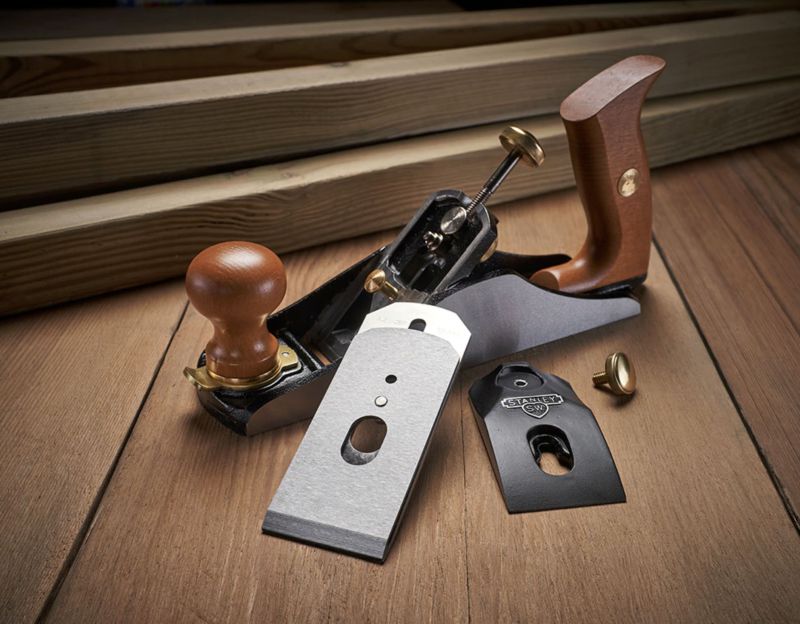
1. Overall Best Smoother: Stanley Sweetheart No. 4 (12-136)
The Stanley Sweetheart No. 4 is a tribute to the legendary planes of the early 20th century. It features a heavy ductile iron body and a thick A2 steel iron (blade) that stays sharp much longer than standard steel.
Why it’s perfect for woodworkers:
This is a “Smoothing Plane.” Its job is to take the final shavings before you apply Polyurethane or Lacquer. The adjustable “frog” (the part the blade sits on) allows you to close the mouth for incredibly fine cuts, preventing grain tear-out even on difficult woods like Maple.
-
Pros: Heavy-duty build, thick blade reduces chatter, comfortable cherry wood handles.
-
Cons: Requires a bit of cleaning and honing out of the box.
2. Best All-Rounder: Woodriver No. 5-1/2 Jack Plane
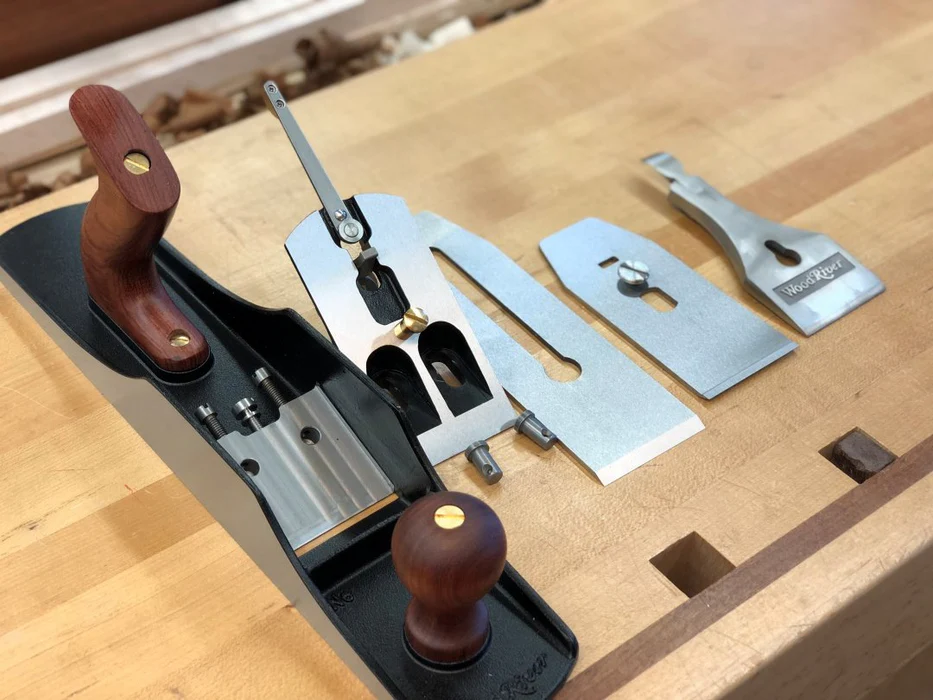
If you can only afford one large hand plane, let it be a No. 5-1/2 Jack Plane. The “Jack” is the “Jack of all trades.”
Why it’s perfect for woodworkers:
At nearly 15 inches long, it is short enough to smooth surfaces but long enough to begin flattening boards. The Woodriver brand is famous for bringing “premium boutique” features to a more accessible price point on Amazon. Its Bed Rock-style design ensures the blade is supported all the way to the edge.
-
Pros: Incredible mass, very flat sole, premium adjustment knobs.
-
Cons: It’s a heavy tool; can be tiring during long work sessions.
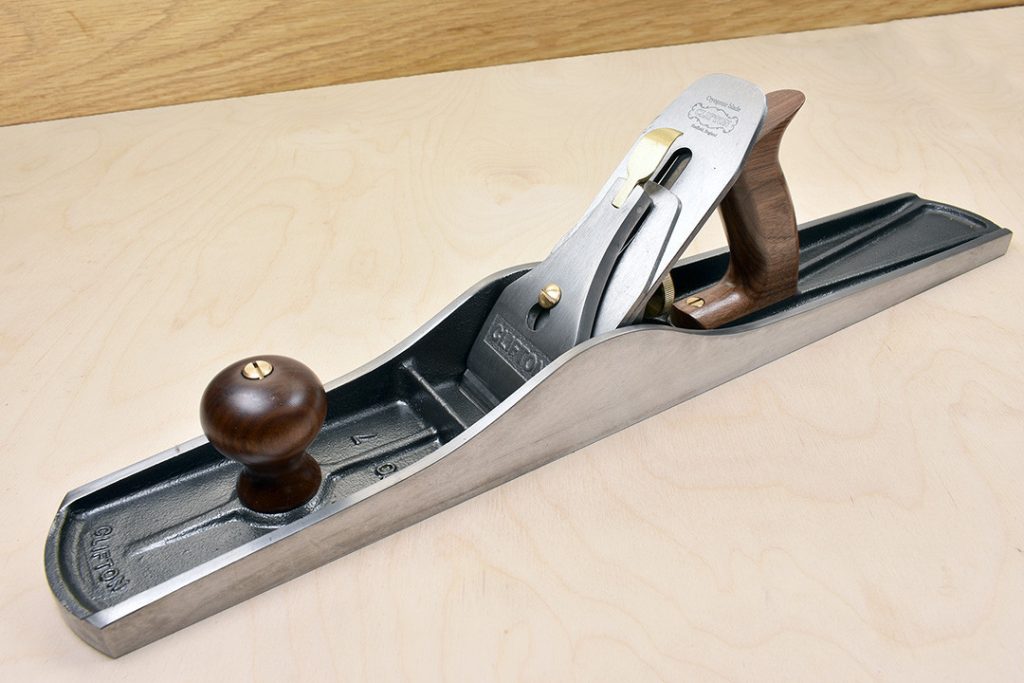
3. Best for Flattening: Bench Dog No. 7 Jointer Plane
When you need to make the edge of an 8-foot board perfectly straight or flatten a large tabletop, you need length. The Bench Dog No. 7 is a massive 22-inch beast.
Why it’s perfect for woodworkers:
The length of a Jointer plane allows it to “bridge” the valleys and “clip” the hills of an uneven board. Without a No. 7, your surfaces might be smooth but they won’t be flat. This model offers professional performance for a fraction of the cost of high-end collector brands.
-
Pros: Huge surface area for accuracy, solid weight, excellent for edge jointing before glue-ups.
-
Cons: Hard to store due to its massive size.
4. Best Budget Block Plane: Stanley 12-139 6-Inch
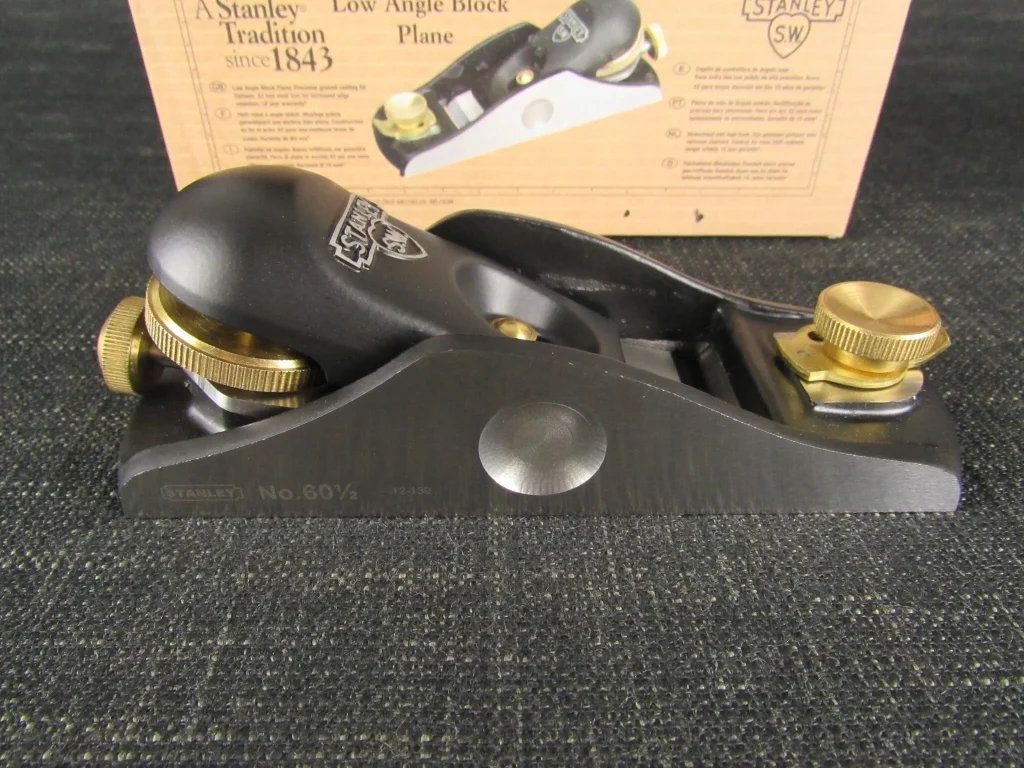
Every woodworker needs a Block Plane in their apron pocket. This is the tool you grab for the “small stuff”—breaking a sharp edge, trimming a dowel flush, or cleaning up end grain.
Why it’s perfect for woodworkers:
The Stanley 12-139 is a low-angle plane, which makes it superior for cutting end grain. It’s small enough to use with one hand and is virtually indestructible. It’s the best “first plane” for any beginner on a budget.
-
Pros: Inexpensive, fits in one hand, perfect for chamfers.
-
Cons: The adjustments aren’t as fine as the Sweetheart line.
5. Best Beginner Value: Taytools No. 4 Smoothing Plane
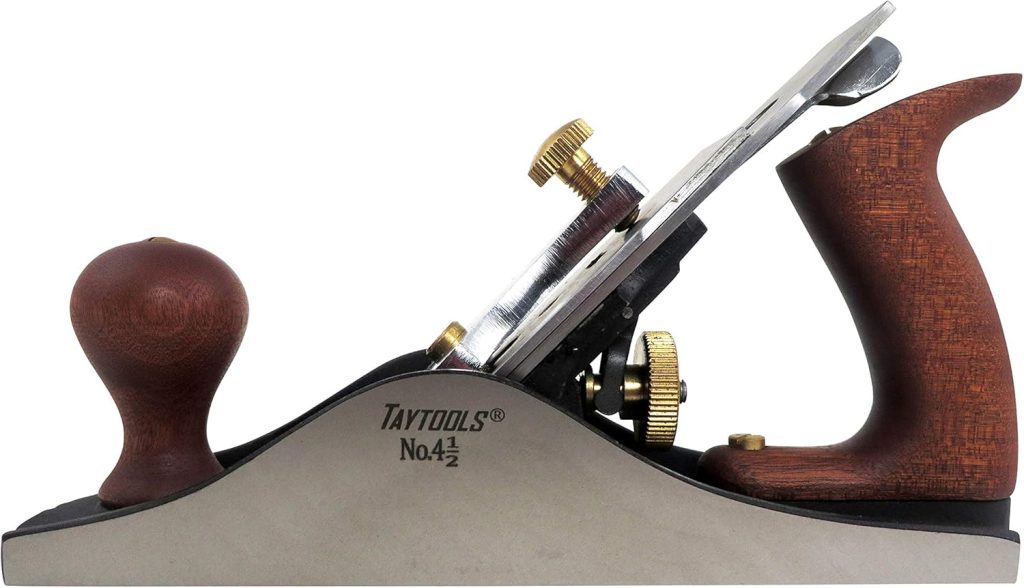
Taytools has filled a gap in the market for woodworkers who want a “real” tool without the “heirloom” price tag.
Why it’s perfect for woodworkers:
While many budget planes on Amazon are made of thin stamped steel, this is a proper cast ductile iron tool. It has all the necessary adjustments (depth, lateral, and frog). Once you spend 30 minutes sharpening the blade, it performs remarkably close to planes that cost twice as much.
-
Pros: Best price-to-performance ratio, solid brass hardware.
-
Cons: Requires the most “setup” time (lapping the sole and honing).
Buyer’s Guide: 3 Terms You Need to Know
-
Lapping the Sole: To work correctly, the bottom (sole) of the plane must be perfectly flat. Even expensive planes sometimes need to be rubbed on sandpaper over glass to ensure they are true.
-
Iron Thickness: A thicker blade (iron) is better. Thin blades can vibrate (chatter) when they hit a hard knot, leaving “washboards” on your wood.
-
The Chipbreaker: This is the second piece of steel on top of the blade. Its job is to curl the wood shaving away and prevent the wood from splitting ahead of the cut.
Final Verdict
-
For flawless finishing, go with the Stanley Sweetheart No. 4.
-
For flattening large boards, the Bench Dog No. 7 is essential.
-
For everyday shop tasks, every maker needs a Low-Angle Block Plane.