Every serious DIYer and woodworker eventually hits a literal “brick wall.” Standard power drills are designed for speed and torque in wood or metal, but they lack the percussive force needed to break through masonry.
A high-quality Hammer Drill is a dual-purpose tool: in “Drill Mode,” it’s perfect for driving large lag bolts into timber; in “Hammer Mode,” it uses internal plates to create thousands of “Blows Per Minute” (BPM) to pulverize concrete. Here are the top 5 hammer drills on Amazon that offer the best durability and performance for heavy-duty projects.
Hammer Drill Comparison Table
| Model | Voltage | Max Torque | BPM (Hammer Mode) | Key Feature |
| Milwaukee M18 FUEL | 18V | 1,400 in-lbs | 32,000 BPM | Best-in-Class Torque |
| DEWALT 20V MAX XR | 20V | 840 Unit Watts Out | 38,250 BPM | High-Speed Masonry |
| Makita XPH14Z | 18V | 1,250 in-lbs | 31,500 BPM | Extreme Durability |
| Bosch GSB18V-755 | 18V | 755 in-lbs | 31,500 BPM | Kickback Control |
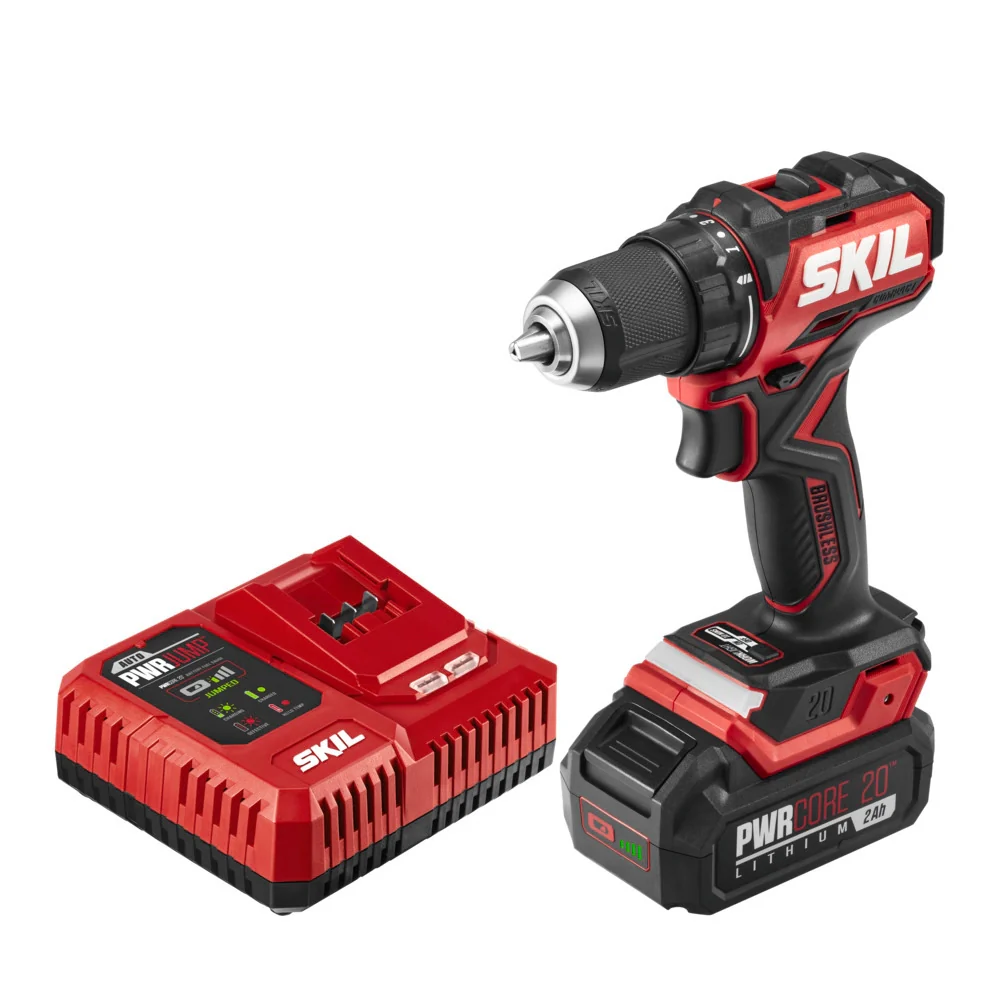
| SKIL PWRCORE 20 | 20V | 450 in-lbs | 27,000 BPM | Best Budget Entry |
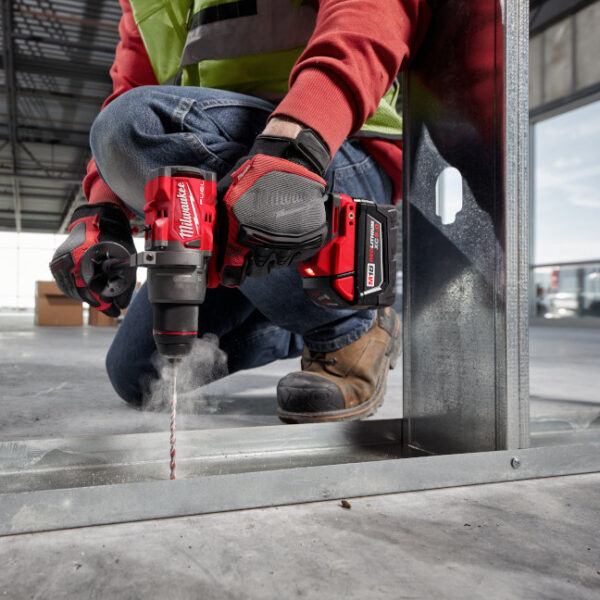
1. The Power King: Milwaukee M18 FUEL (2904-20)
The Milwaukee M18 FUEL is widely considered the most powerful cordless hammer drill on the market. In 2026, its brushless motor delivers an incredible 1,400 in-lbs of torque.
Why it’s perfect for woodworkers:
It features “AutoStop” technology, which prevents the tool from over-rotating if the bit binds in a knot or a concrete anchor. This saves your wrist from injury. It is a beast for boring large Forstner bit holes in thick hardwoods.
-
Pros: Unmatched torque, very compact design, advanced safety sensors.
-
Cons: Most expensive “bare tool” on the list.
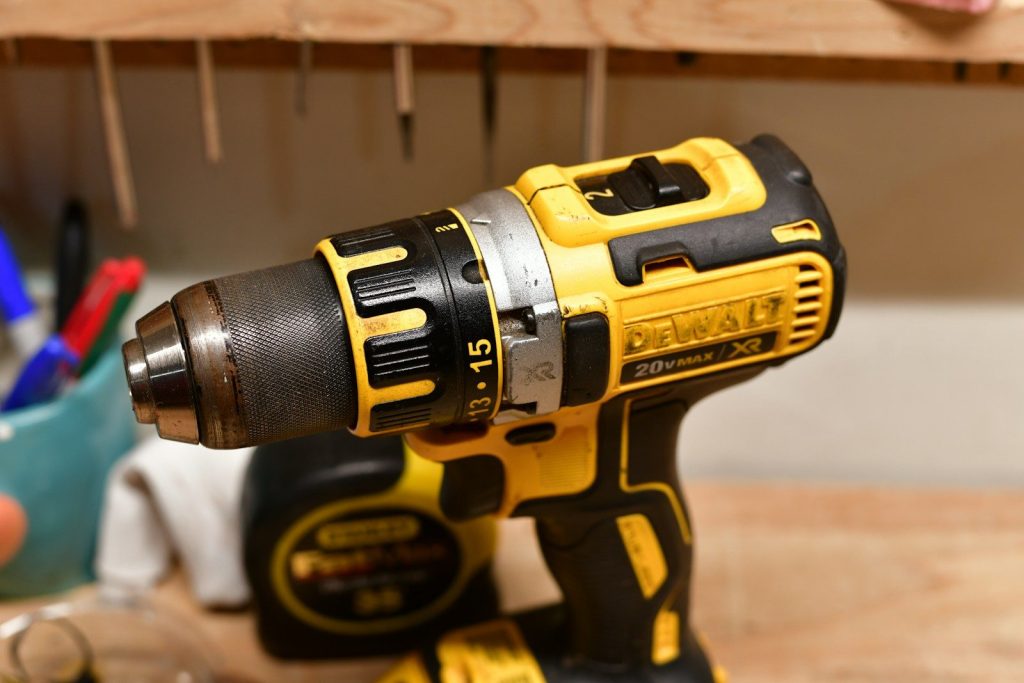
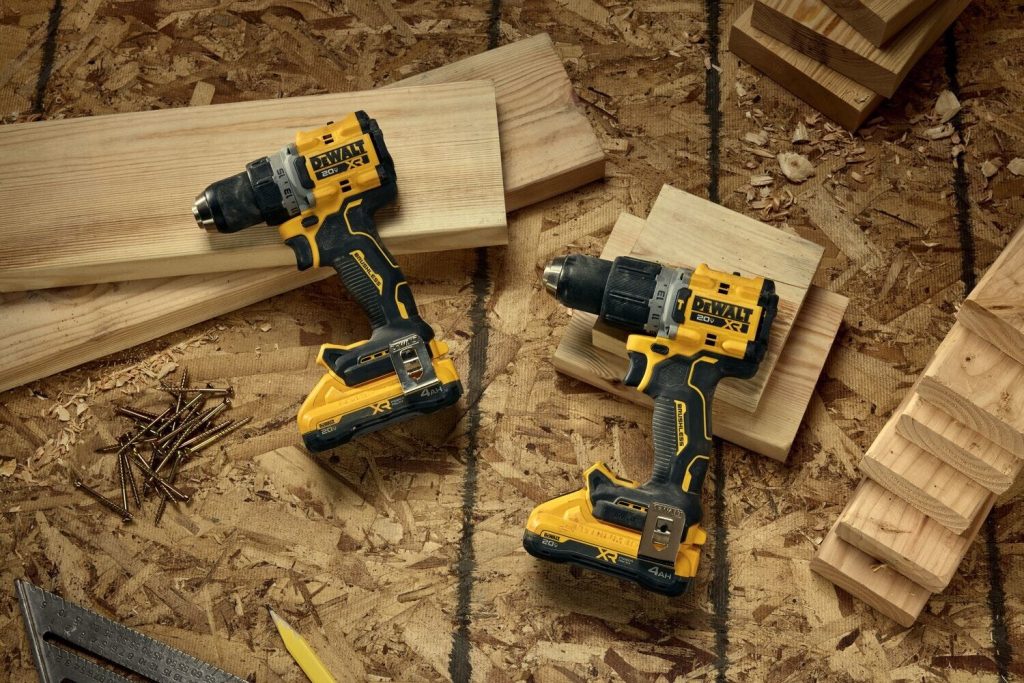
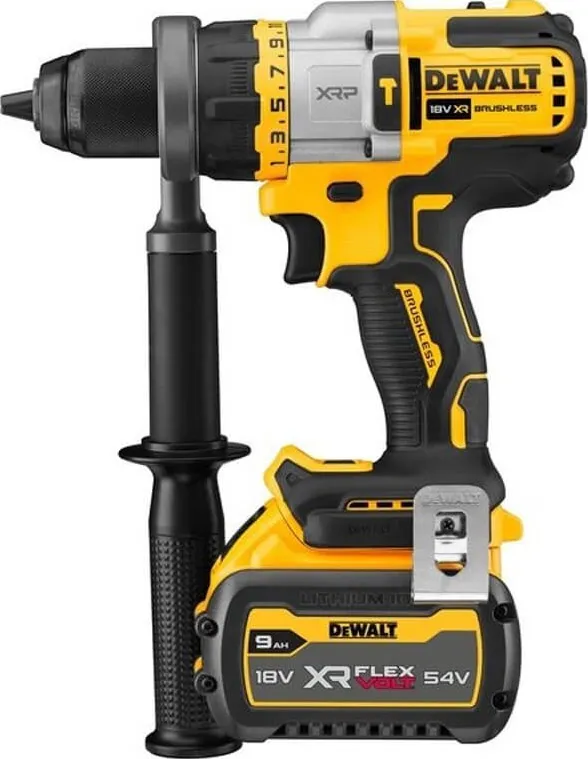
2. The Speed Specialist: DEWALT 20V MAX XR (DCD999)
If your primary goal is drilling 1/2-inch holes into a garage floor for machinery mounting, the DEWALT is the fastest option.
Why it’s essential:
It features a 3-speed transmission that allows you to optimize the RPM for the material. When paired with a FlexVolt battery, it unlocks even more power. The heavy-duty nitro-carburized metal ratcheting chuck ensures the bit never slips, even under intense vibration.
-
Pros: Highest BPM for masonry, 3-speed versatility, excellent LED lighting.
-
Cons: Larger and heavier than the Milwaukee model.
3. The Smoothest Operator: Makita 18V LXT (XPH14Z)
Makita tools are known for their refinement and long lifespan. The XPH14Z features an all-metal gear housing designed to dissipate heat during long sessions of drilling into cinder blocks.
Why it’s perfect for woodworkers:
It has an “Extreme Protection Technology” (XPT) seal, which keeps fine sawdust and water out of the sensitive electronics. It is exceptionally well-balanced, making it the most comfortable tool for all-day use.
-
Pros: Best ergonomics, long-lasting metal gears, very low vibration.
-
Cons: Slightly lower peak torque than Milwaukee or DeWalt.
4. The Smartest Safety: Bosch 18V (GSB18V-755)
Bosch is a leader in electronic tool control. Their “Kickback Control” is a sensor-based system that shuts the motor down instantly if it detects a sudden jerk.
Why it’s essential:
When you are drilling into an old concrete foundation, you might hit hidden rebar. Without safety sensors, the drill can twist your arm. The Bosch provides a safer experience for homeowners and professionals alike.
-
Pros: Best safety features, connects to a smartphone app for custom settings, high-quality build.
-
Cons: Battery life can be shorter when using advanced electronic features.
5. Best Budget Value: SKIL PWRCORE 20
For the casual DIYer who only needs to hang a few outdoor planters or shelves, the SKIL PWRCORE is a fantastic entry point.
Why it’s perfect for woodworkers:
It is a brushless tool for a fraction of the price of the “Big Three” brands. It includes a 20V battery with a built-in USB port to charge your phone in the shop. It is surprisingly capable of drilling through standard brick and soft concrete.
-
Pros: Great price, includes battery and charger, brushless motor.
-
Cons: Not intended for heavy daily professional use; lower torque for large timber screws.
3 Rules for Hammer Drill Success
-
Use the Right Bit: Never use a standard HSS wood bit in hammer mode—it will shatter. Always use Carbide-Tipped Masonry Bits designed for impact.
-
Let the Tool Do the Work: Don’t lean your entire body weight into the drill. The hammer mechanism needs a little room to move back and forth to strike the concrete. Applying too much pressure actually slows down the drilling and can burn out the motor.
-
Clear the Dust: When drilling deep holes in concrete, pull the bit out halfway several times to clear the dust. If the dust builds up, it creates friction that can snap the bit or overheat the drill.
Final Verdict
-
For maximum professional power, get the Milwaukee M18 FUEL.
-
For fastest masonry drilling, the DEWALT 20V MAX XR is the winner.
-
For a reliable tool on a budget, the SKIL PWRCORE 20 is your best bet.
Read too: Impact Driver vs. Drill Driver: When to Use Which?