In woodworking, there are times for patience and times for power. When you’re staring at a stack of rough-sawn lumber or a warped tabletop, a small detail sander isn’t going to cut it. You need a Belt Sander—the “bulldozer” of the sanding world.
A belt sander uses a continuous loop of sandpaper spinning at high speeds to strip away material in seconds. It’s the ideal tool for leveling glue-ups, removing old floor finishes, or “scribing” a cabinet to a wall. However, because they are so powerful, you need a machine with a flat base and variable speed to maintain control.
Here are the top 5 belt sanders on Amazon that offer the best balance of aggressive power and smooth handling.
Quick Comparison Table
| Model | Best For | Belt Size | Speed Control |
| Makita 9403 | Professional Choice | 4″ x 24″ | Single Speed (High) |
| WEN 6321 | Best Budget Choice | 3″ x 21″ | Single Speed |
| Makita 9903 | Overall Best / Quiet | 3″ x 21″ | Variable Speed |
| Metabo HPT (SB8V2) | Durability / Ergonomics | 3″ x 21″ | Variable Speed |
| SKIL 7510-01 Sandcat | Beginners / Auto-Track | 3″ x 18″ | Pressure Control |
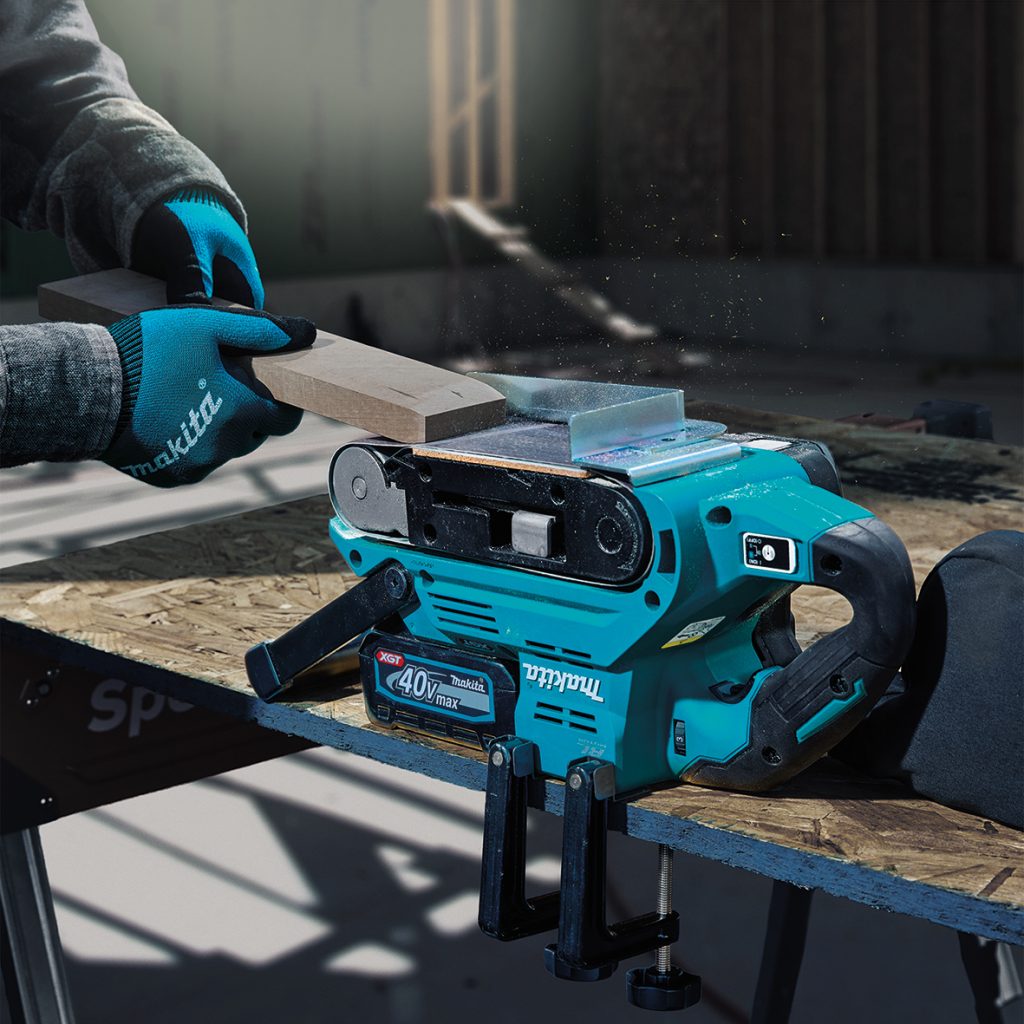
1. Overall Best & Quietest: Makita 9903 Variable Speed
The Makita 9903 is arguably the most popular belt sander in professional shops. It strikes the perfect balance between heavy-duty removal and a compact footprint.
Why it’s perfect for woodworkers:
It is incredibly quiet for a belt sander (only 85dB). The variable speed dial allows you to slow the belt down for delicate work on pine or cedar, or crank it up for flattening hard white oak. Its design also allows it to sand flush to a vertical wall, which is a lifesaver for cabinet installs.
-
Pros: Exceptionally quiet, variable speed, sands flush to walls, long power cord.
-
Cons: Higher price point than DIY brands.
2. The Powerhouse: Makita 9403 (4″ x 24″)
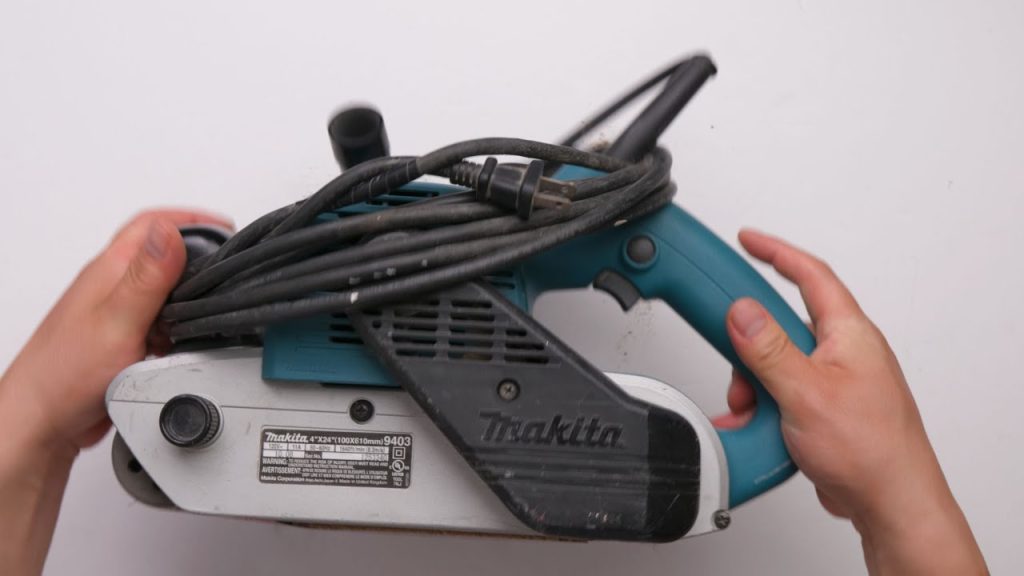
If your goal is to flatten a massive dining room table, the 9403 is the industry legend. It uses a wider 4-inch belt, giving it a larger “footprint” for flatter results.
Why it’s perfect for woodworkers:
At 13 pounds, the weight of the tool does the work for you—you don’t have to push down. It features a labrynith construction that seals the motor and bearings from fine sawdust, ensuring it lasts for decades.
-
Pros: Massive removal rate, widest sanding surface, indestructible build quality.
-
Cons: Heavy; not ideal for vertical use or small projects.
3. Best Budget Choice: WEN 6321 Corded Belt Sander
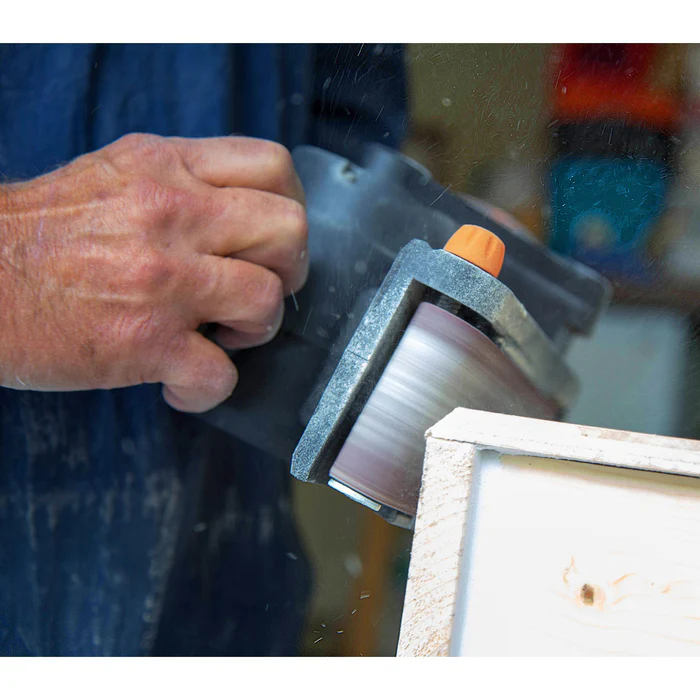
If you only need a belt sander once or twice a year to clean up some reclaimed pallets, the WEN 6321 is the best value for your money.
Why it’s perfect for woodworkers:
For less than the price of a few sheets of high-end plywood, you get a 7-amp motor that can handle most DIY tasks. It’s lightweight (only 6 lbs), making it much easier to handle for beginners who are afraid of a sander “running away” from them.
-
Pros: Extremely affordable, compact, includes a dust bag.
-
Cons: Single speed only; can be loud and vibrates more than Makita.
4. Best for Ergonomics: Metabo HPT (SB8V2)
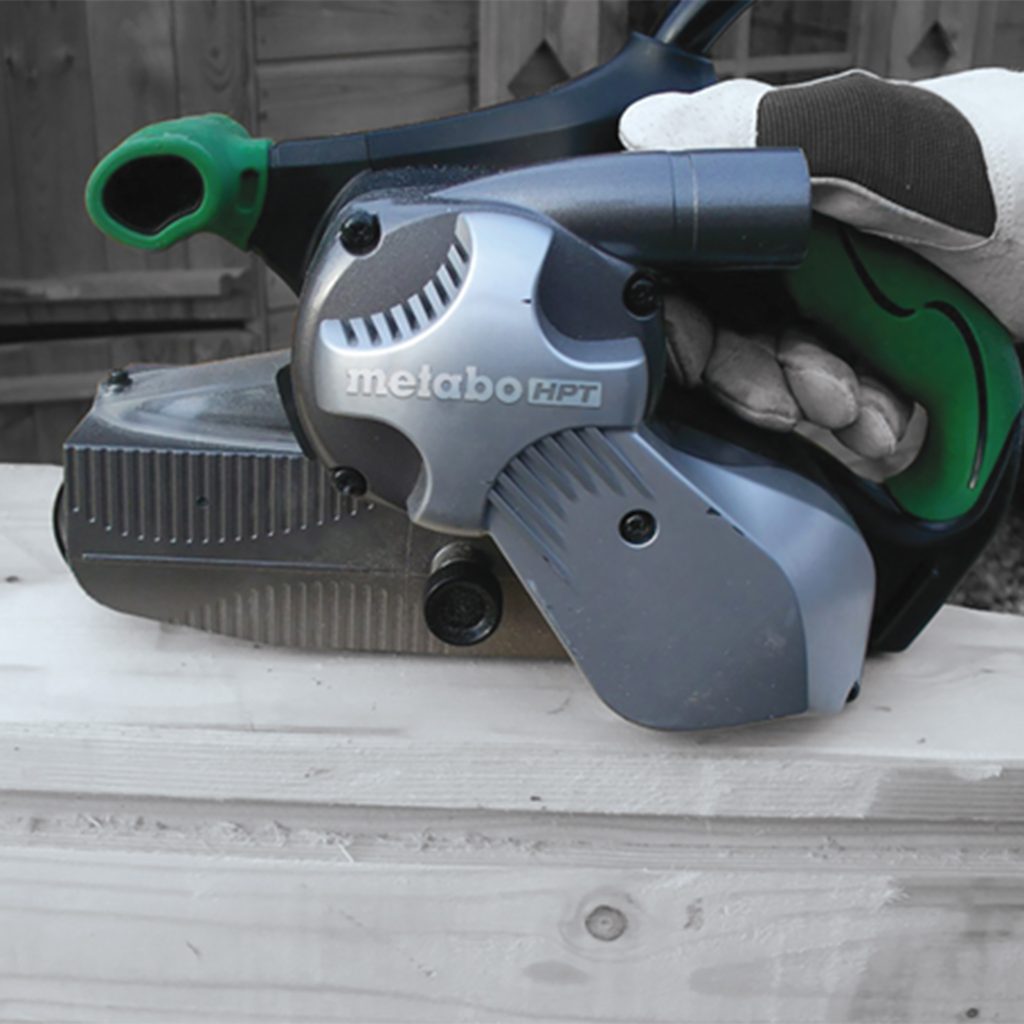
Formerly known as Hitachi, the Metabo HPT SB8V2 is famous for its “V-belt” drive system and comfortable grip.
Why it’s perfect for woodworkers:
The front handle is designed to give you maximum leverage over the nose of the sander. It also features a transparent tracking window, so you can see exactly where the belt is positioned while you’re working, preventing the belt from slipping off and damaging your project.
-
Pros: Great visibility, variable speed, very aggressive motor.
-
Cons: The dust bag is small and fills up quickly.
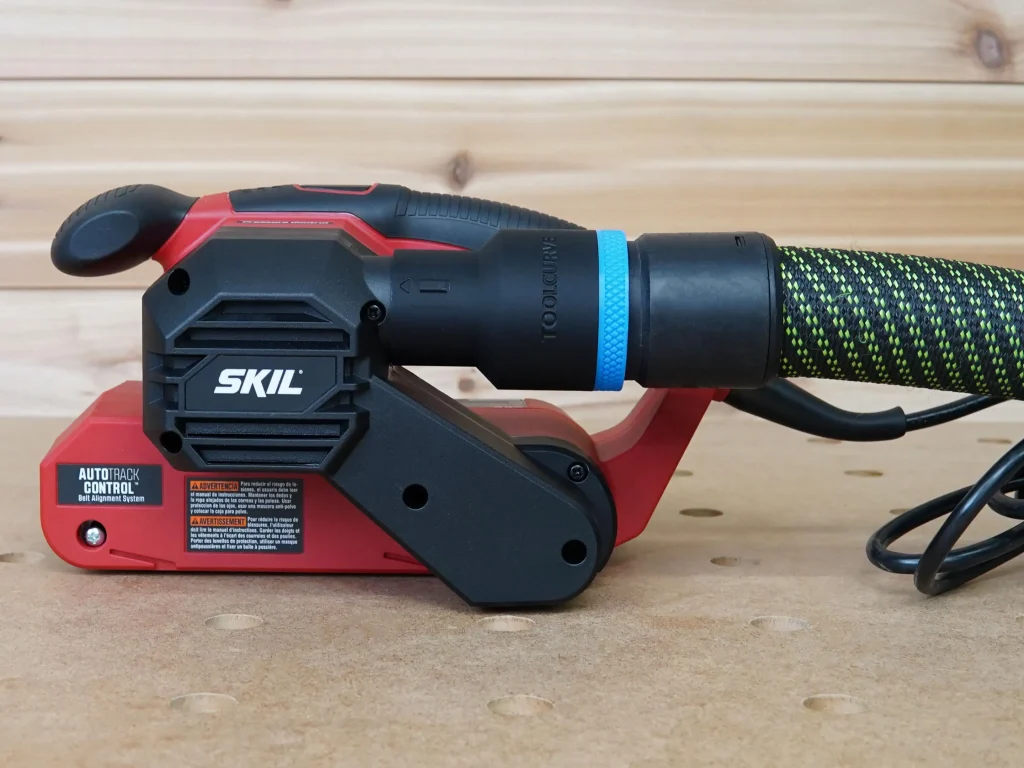
5. Best for Beginners: SKIL 7510-01 Sandcat
The SKIL Sandcat is designed for people who find belt sanders intimidating. It includes “Pressure Control” technology that warns you if you are pushing too hard.
Why it’s perfect for woodworkers:
It features Auto-Track technology, which automatically keeps the belt centered on the rollers. This solves the #1 frustration of belt sanding: the belt constantly sliding to one side and fraying. It’s a great entry-level tool for building outdoor picnic tables.
-
Pros: Auto-tracking belt, pressure sensors, very easy to use.
-
Cons: 3″ x 18″ belt is smaller than the industry standard (3×21).
3 Rules for Belt Sanding Without Ruining Your Project
-
Keep it Moving: Never let a belt sander sit in one spot for even a second. It will “dig a hole” in your wood that is nearly impossible to sand out. Always start the sander before it touches the wood and keep it in constant motion.
-
Follow the Grain: Unlike an orbital sander, a belt sander must always travel in the same direction as the wood grain. If you sand across the grain, you will create deep scratches that will show up clearly once you apply wood stain.
-
Let the Weight Do the Work: Don’t press down. A belt sander is heavy enough to provide its own pressure. Your job is simply to guide it like a lawnmower.
Final Verdict
-
For professional-grade furniture, get the Makita 9903.
-
For heavy-duty flattening, go with the Makita 9403.
-
For quick DIY home repairs, the WEN 6321 is all you need.
Read too: Best Random Orbital Sanders for a Swirl-Free Finish