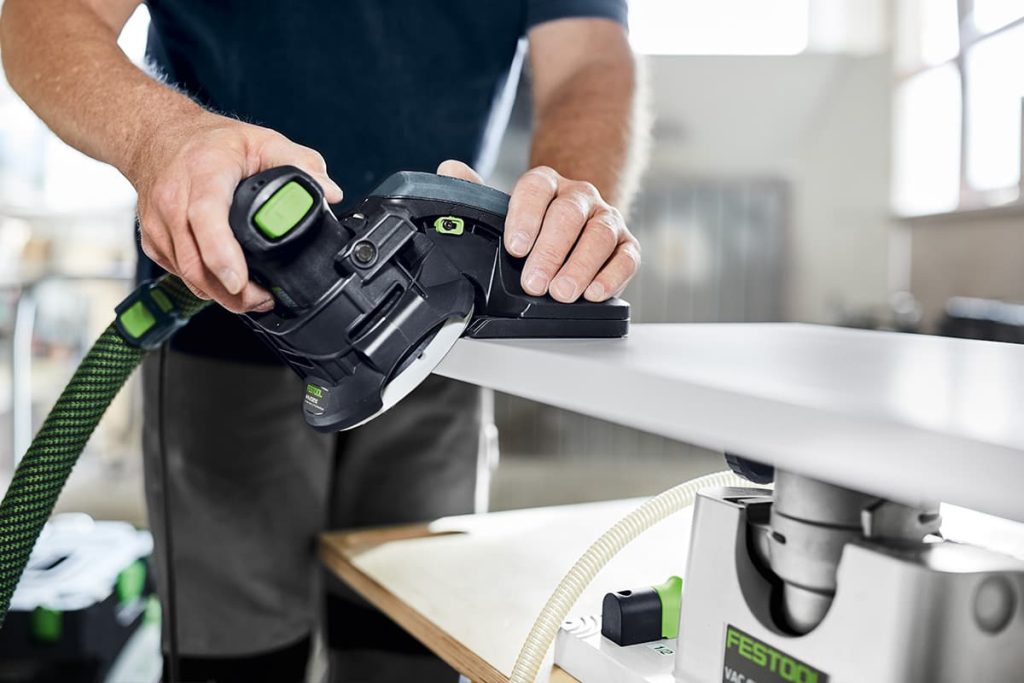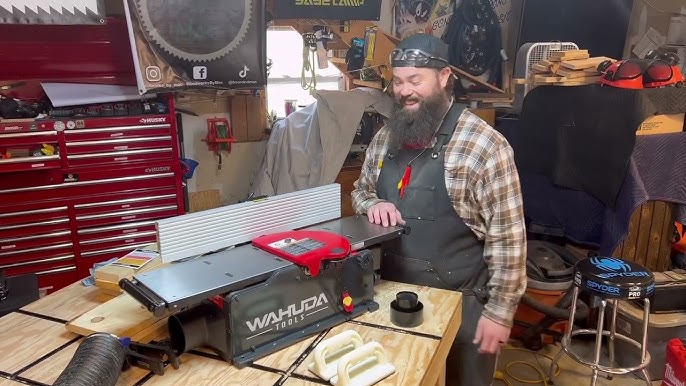
If you’ve ever bought a rough-sawn board from a local mill, you’ve noticed it’s wavy, splintery, and definitely not flat. To turn that rough timber into beautiful, smooth furniture, you need a benchtop planer.
A planer takes your board and shaves off thin layers until both sides are perfectly parallel and smooth to the touch. For a small shop, a benchtop model provides professional results without the thousands of dollars and massive footprint of a floor-standing industrial machine.
We’ve reviewed the top 5 benchtop planers on Amazon to help you save money on lumber and achieve that “factory-finish” look.
Quick Comparison Table
| Model | Best For | Cutterhead Type | Max Width |
| DEWALT DW735X | Overall Best | 3-Knife (Standard) | 13-Inch |
| WEN 6552T | Best Value | 3-Knife | 13-Inch |
| Metabo HPT P13F | Speed/Efficiency | 2-Knife | 13-Inch |
| JET JWP-13BT | Heavy Duty | Helical-style | 13-Inch |
| Porter-Cable PC305TP | Beginners | 2-Knife | 12-Inch |
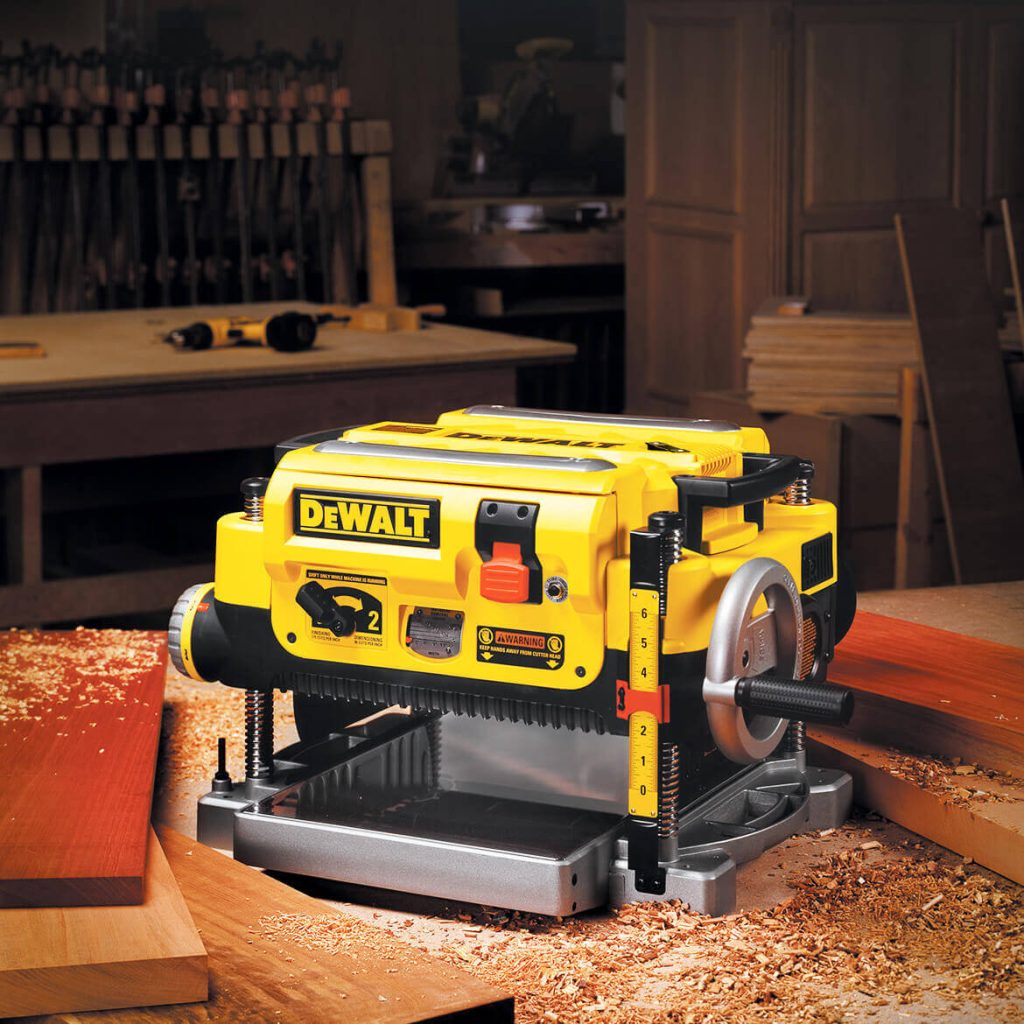
1. Overall Best: DEWALT DW735X 13-Inch Two-Speed Planer
The DEWALT DW735X is legendary. It is the machine that sits in almost every high-end garage workshop in America.
Why it’s perfect for woodworkers: This planer features a “fan-assisted” chip ejection that is so powerful it practically vacuums the dust out of the machine for you. The two-speed gearbox allows you to switch between “dimensioning” (faster, coarser cuts) and “finishing” (slower, smoother cuts). The “X” model comes with fold-down infeed/outfeed tables, which are essential for preventing “snipe” (gouges at the end of the board).
-
Pros: Unmatched dust collection, two-speed gearbox, excellent depth-of-cut accuracy.
-
Cons: It is heavy and significantly louder than other models.
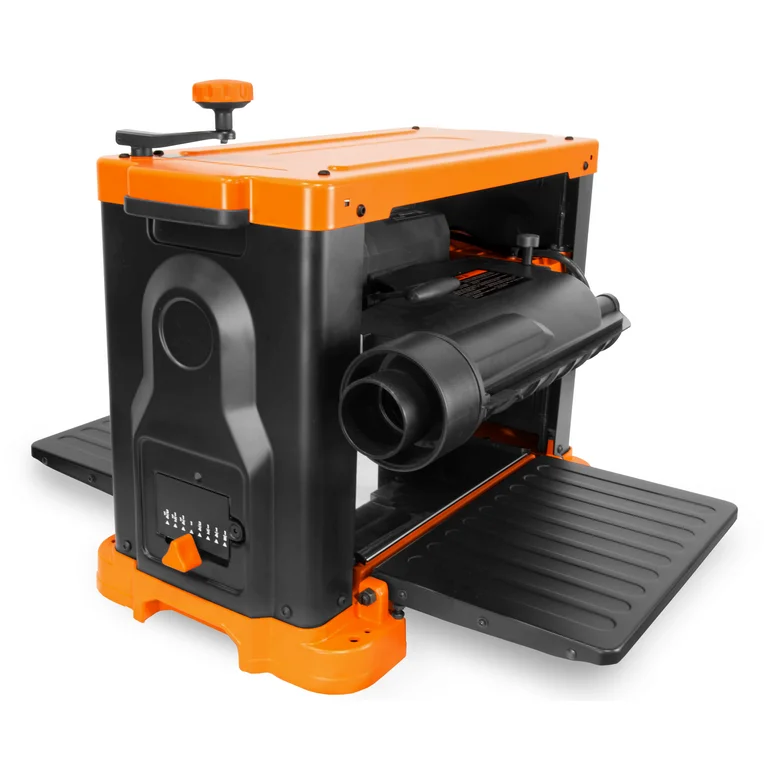
2. Best Value: WEN 6552T 13-Inch Three-Blade Planer
WEN has mastered the art of providing “pro-level” features at a “DIY price.” The 6552T offers a surprising amount of power for a very competitive price point.
Why it’s perfect for woodworkers: It uses a 3-blade cutterhead, which results in a smoother finish than the 2-blade systems found on entry-level planers. It’s a workhorse that can handle hard woods like Maple and Oak without struggling. If you’re just starting out and want the best “bang for your buck,” this is the machine to get.
-
Pros: Smooth 3-blade finish, affordable, easy to maintain.
-
Cons: The dust collection port is a bit flimsy and can clog if you take too deep of a cut.
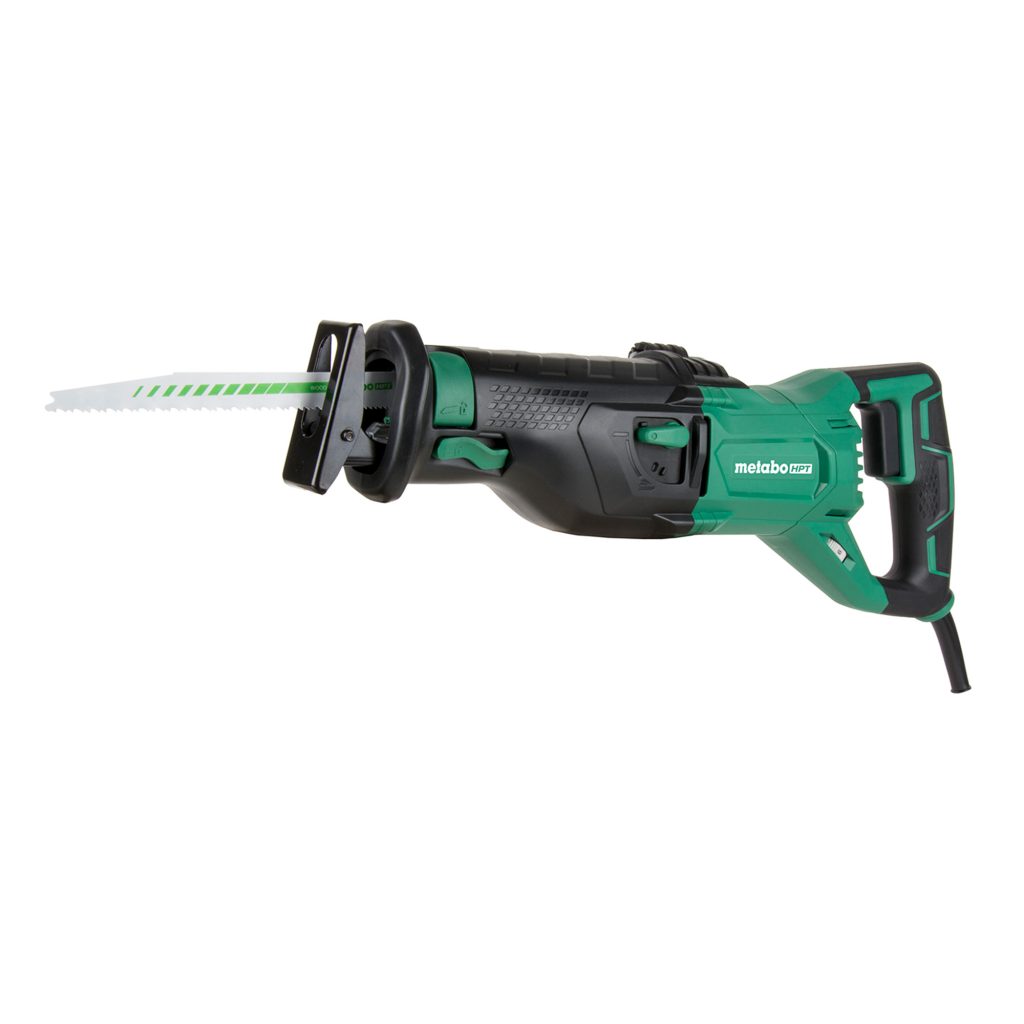
3. Best for Productivity: Metabo HPT P13F
Metabo HPT (formerly Hitachi) is known for industrial-grade durability. Their P13F is a no-nonsense planer built for speed.
Why it’s perfect for woodworkers: It’s lighter than the DeWalt, making it easier to move around your shop. The standout feature is the “auto-feed” system, which is incredibly consistent. If you have to plane 50+ boards for a large project, this machine will keep up without getting tired.
-
Pros: Compact, great feed consistency, reliable motor.
-
Cons: Only a 2-blade system (slightly less smooth than the 3-blade options).
4. Best Professional Finish: JET JWP-13BT
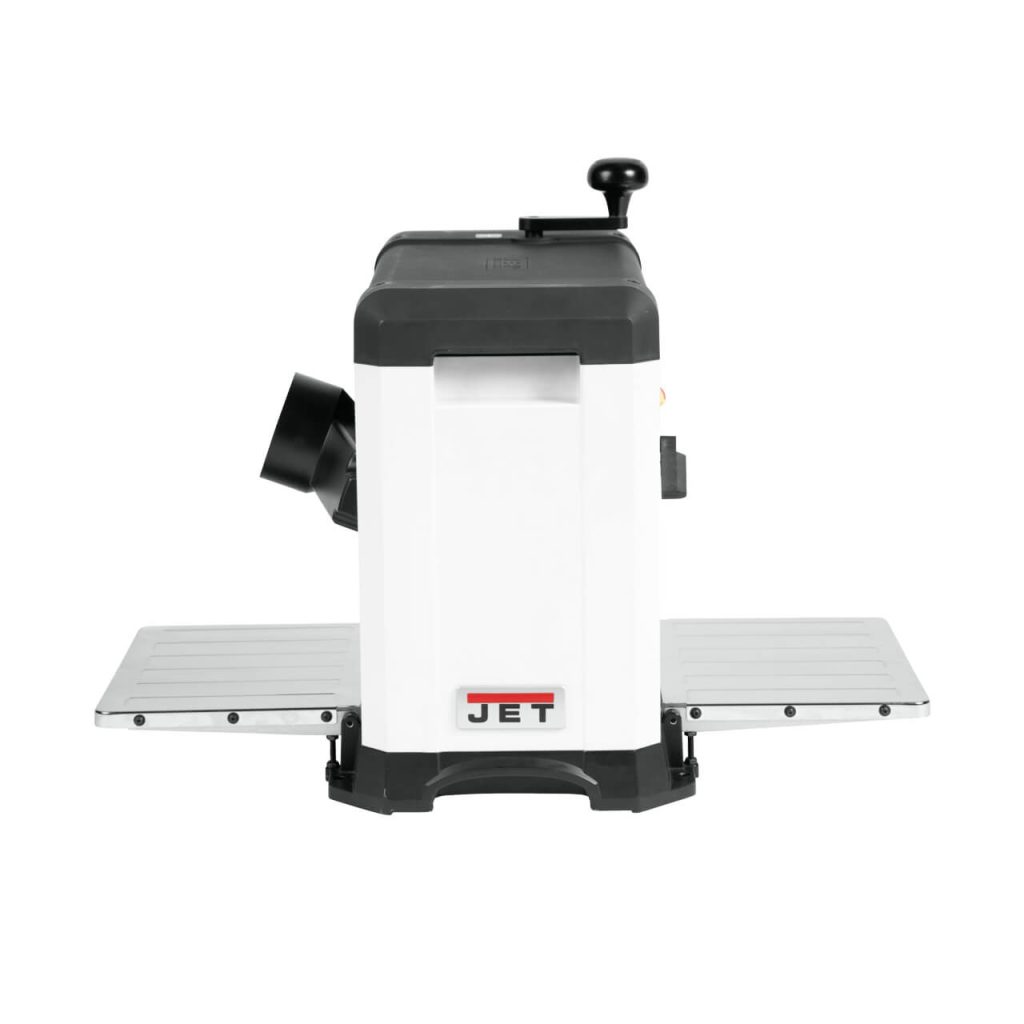
JET tools are the bridge between “hobbyist” and “professional cabinet shop.” Their 13-inch planer is built for users who demand perfection.
Why it’s perfect for woodworkers: The build quality is a step above the standard plastic-heavy models. It has a heavy-duty cast iron base and precision-ground steel rollers. It is designed to handle thousands of board-feet of lumber over the course of its life.
-
Pros: Exceptional build quality, very accurate depth adjustment, long-lasting.
-
Cons: Higher price point; heavier to store on a shelf.
5. Best for Beginners: Porter-Cable PC305TP
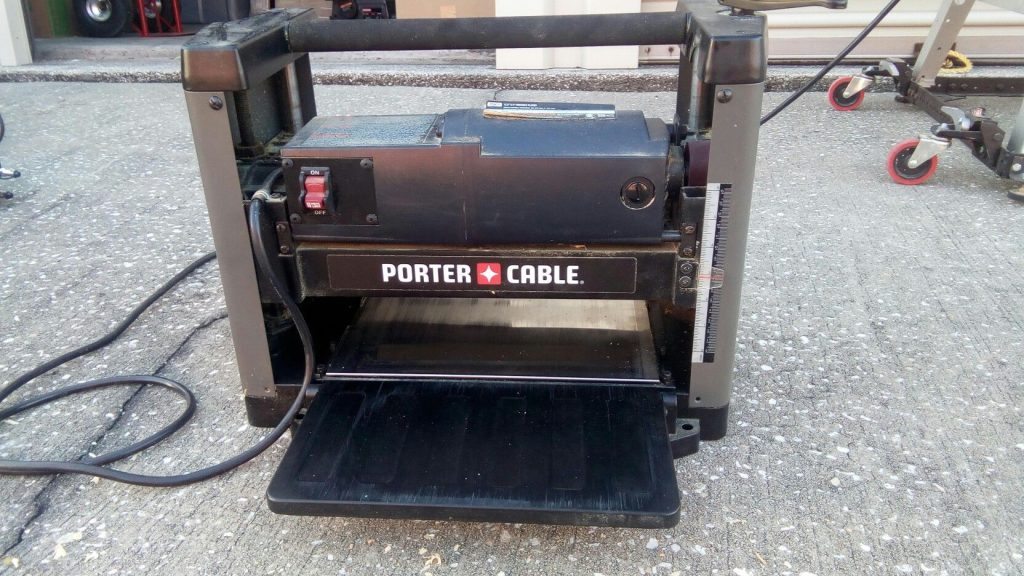
The Porter-Cable is a compact 12-inch planer. It’s perfect if your shop is literally a single corner of your garage.
Why it’s perfect for woodworkers: It is a simple, straightforward tool. There are no fancy gearboxes or complex electronics to worry about. You turn it on, set your height, and feed your board. It’s the ultimate “introduction” to thickness planning.
-
Pros: Very compact, simple to operate, great for small craft projects.
-
Cons: 12-inch capacity is a bit tight for larger dining table projects; 2-blade system.
The “Planer Rules” Every Beginner Must Know
-
Don’t Rush: Take off small amounts of material—usually no more than 1/32 of an inch per pass. Taking too much wood at once will burn the board and stress the motor.
-
Watch the Grain: Always feed your board through the planer in the direction of the grain. If you feed against the grain, you will get “tear-out” (chunks ripped out of the wood).
-
Prevent “Snipe”: Snipe is a common issue where the machine gouges the end of the board. Always use the infeed/outfeed tables, and for maximum precision, run a scrap piece of wood immediately before and after your good board to “trick” the machine.
Final Verdict
-
For the professional standard (and best dust collection), go with the DEWALT DW735X.
-
For the best value, the WEN 6552T is the champion.
-
For limited space, the Porter-Cable PC305TP is the most compact option.