
Choosing the right wood for your first project is just as important as choosing the right tool. You can have the sharpest chisels in the world, but if you pick a wood that is too brittle or too oily for your glue, the project won’t last.
In the world of fine woodworking, three “kings” dominate the American workshop: Oak, Walnut, and Maple. Each has a distinct personality, price point, and level of difficulty.
Here is a breakdown of these three legendary hardwoods to help you decide which one belongs on your workbench.
Quick Comparison Table
| Wood Type | Durability | Workability | Color / Grain | Best For |
| White Oak | Extremely High | Moderate | Light Tan / Open | Dining Tables, Outdoor |
| Black Walnut | High | Easy / Joyful | Dark Brown / Rich | High-end Furniture |
| Hard Maple | Very High | Difficult | Cream / Closed | Cutting Boards, Workbenches |
1. White Oak: The Reliable Powerhouse
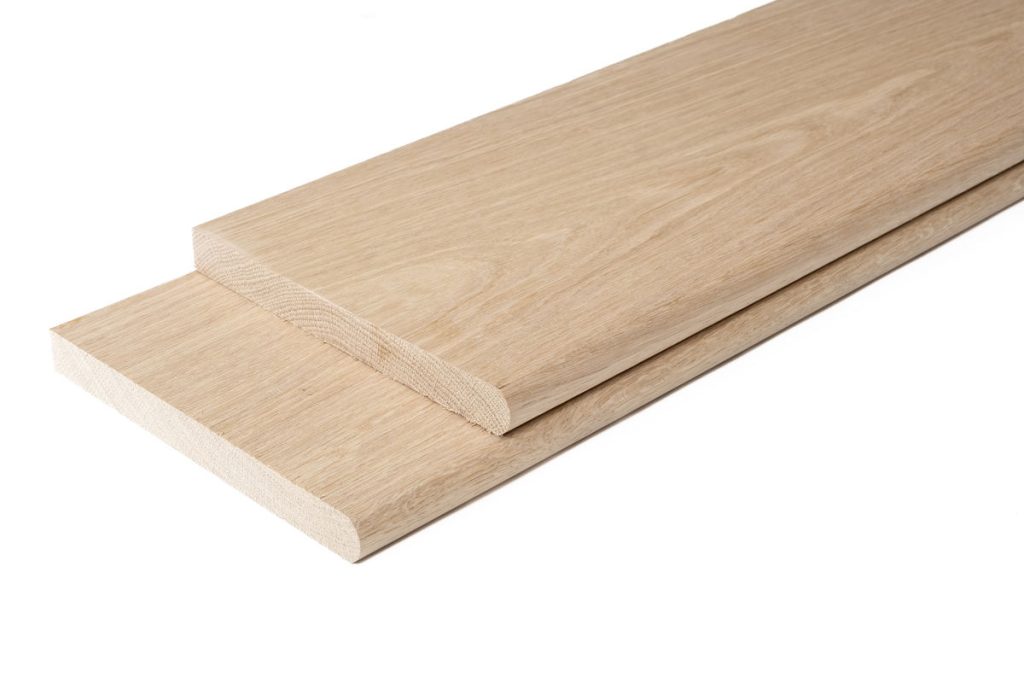
Oak has been the backbone of American furniture for centuries. It is incredibly dense, heavy, and rot-resistant (especially White Oak).
Why it’s great for beginners:
Oak is very forgiving. It takes stains and oils beautifully, and it is “tough as nails.” If you are building a dining table that needs to survive kids, pets, and spilled drinks, Oak is your best bet.
-
The Feel: It has an “open grain,” meaning you can feel the texture of the wood fibers.
-
Pro Tip: Because it’s so hard, always use Pre-Drill Bits to avoid snapping your screws.
2. Black Walnut: The Luxury Favorite
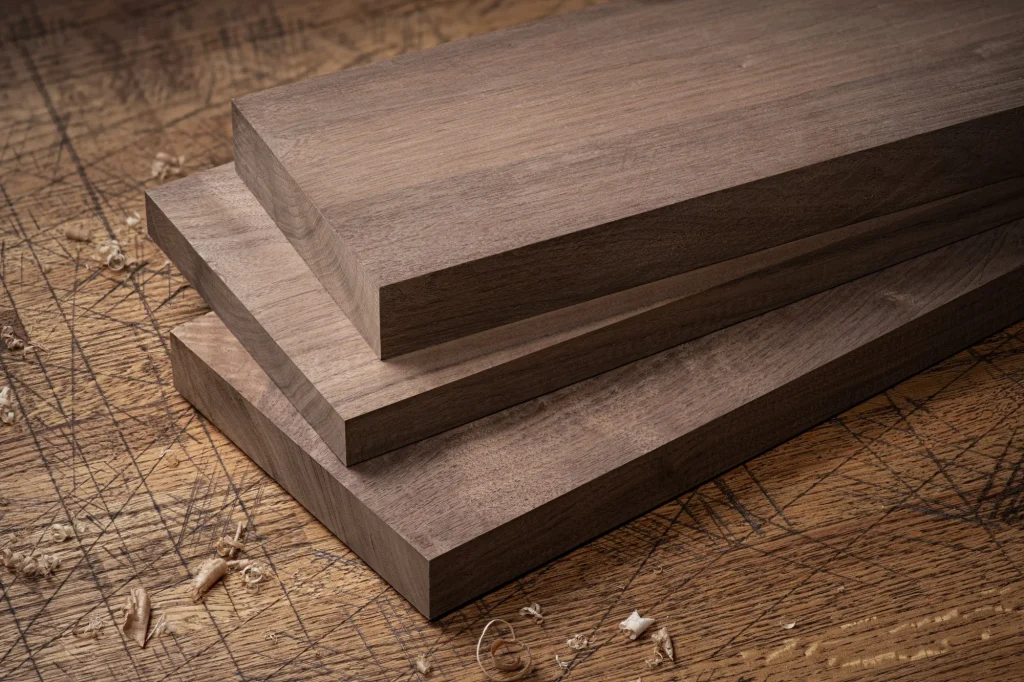
Walnut is often called the “King of Hardwoods.” It is the only dark wood native to North America, and its chocolate-brown color is prized by makers worldwide.
Why it’s great for beginners:
Despite being a hardwood, Walnut is a joy to work with. It saws cleanly, smells like heaven when cut, and planes to a smooth, natural luster. If you want to build a “heirloom” piece like a jewelry box or a desk, Walnut is worth the extra investment.
-
The Feel: Smooth, tight grain that feels premium under a finish.
-
Pro Tip: Use a Clear Tung Oil to make the natural dark swirls pop without needing artificial stains.
3. Hard Maple: The Clean & Modern Choice
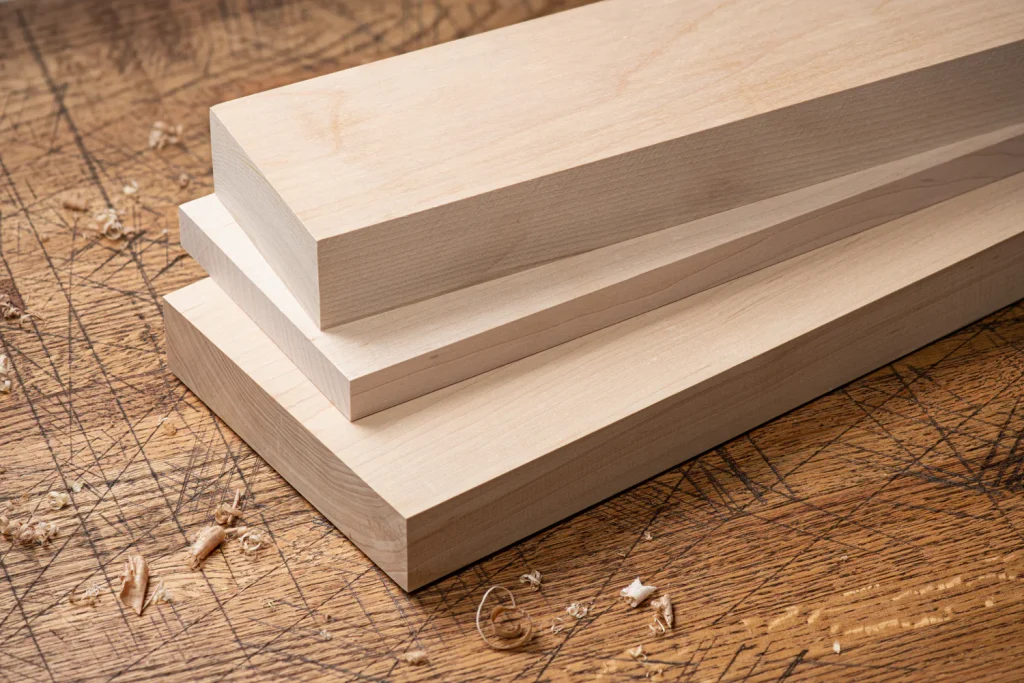
Maple is the “bright” wood. It ranges from almost pure white to a light cream. It is exceptionally hard—so hard that it is the standard material for bowling alley floors and professional butcher blocks.
Why it’s great for beginners:
If you like the “Scandi” or modern minimalist look, Maple is perfect. It is very affordable compared to Walnut. However, be warned: because it is so dense, it can “burn” if your saw blade is dull or if you move too slowly with a Wood Router.
-
The Feel: Very smooth, “closed grain” that feels like glass when sanded properly.
-
Pro Tip: Maple is notoriously difficult to stain (it gets blotchy). It is best left with a Water-Based Polyurethane to keep it from turning yellow.
Which Wood Should You Choose?
-
For Kitchen Projects: Use Maple. It is “food safe” because its tight grain doesn’t trap bacteria. Perfect for cutting boards and rolling pins.
-
For Heavy Furniture: Use Oak. It provides the best strength-to-price ratio and will last for generations.
-
For Special Gifts: Use Walnut. The deep color makes even a simple box look like a professional masterpiece.
Buying Hardwood on Amazon: What to Look For
While most woodworkers visit a local lumber yard, Amazon is a great place to buy “S4S” (Surfaced on 4 Sides) project packs. These are pre-milled boards that are flat and square, saving you the need for a Jointer or Planer.
-
Check for “Kiln-Dried”: This ensures the wood won’t warp or crack once you bring it into your home.
-
Look for “Selection Packs”: Many sellers offer mixed packs of Oak, Walnut, and Maple so you can experiment with all three before committing to a large project.
Final Verdict
-
If you want strength, go with Oak.
-
If you want beauty, go with Walnut.
-
If you want clean, modern utility, go with Maple