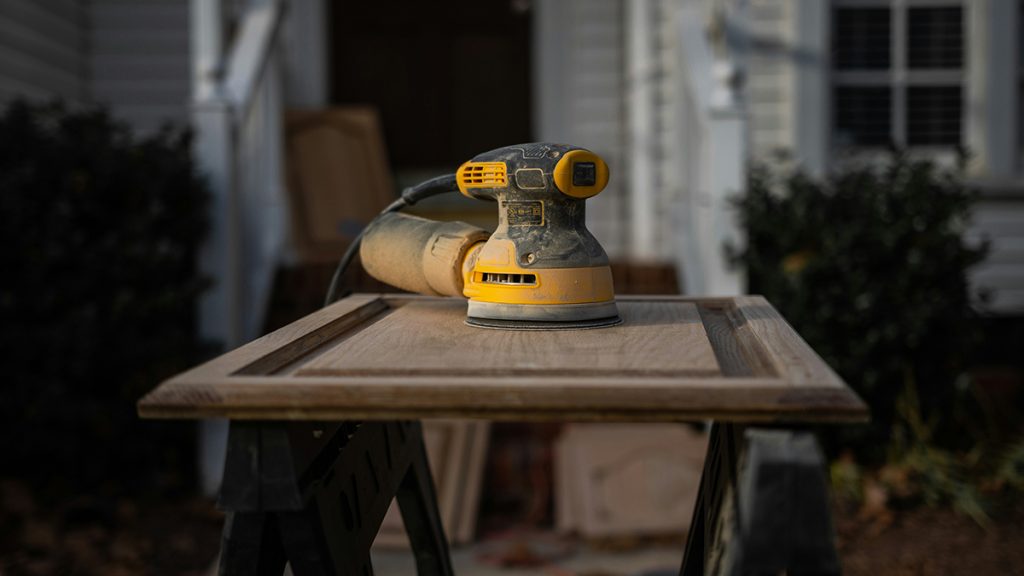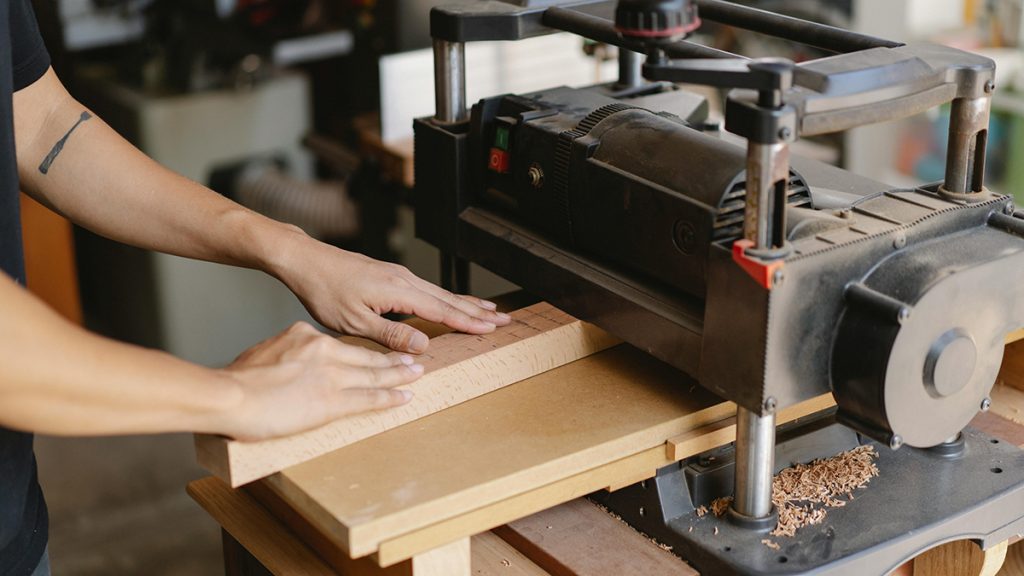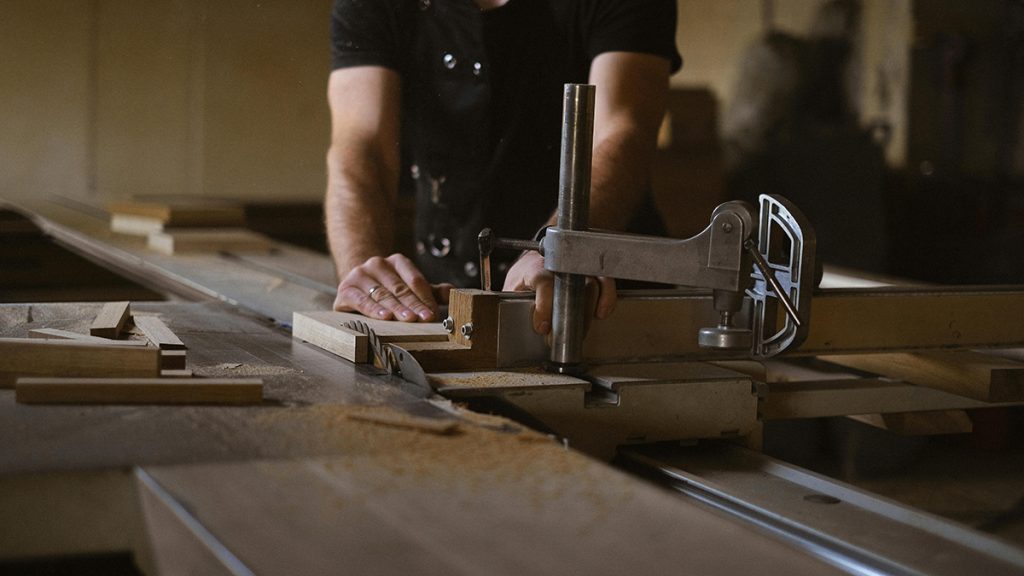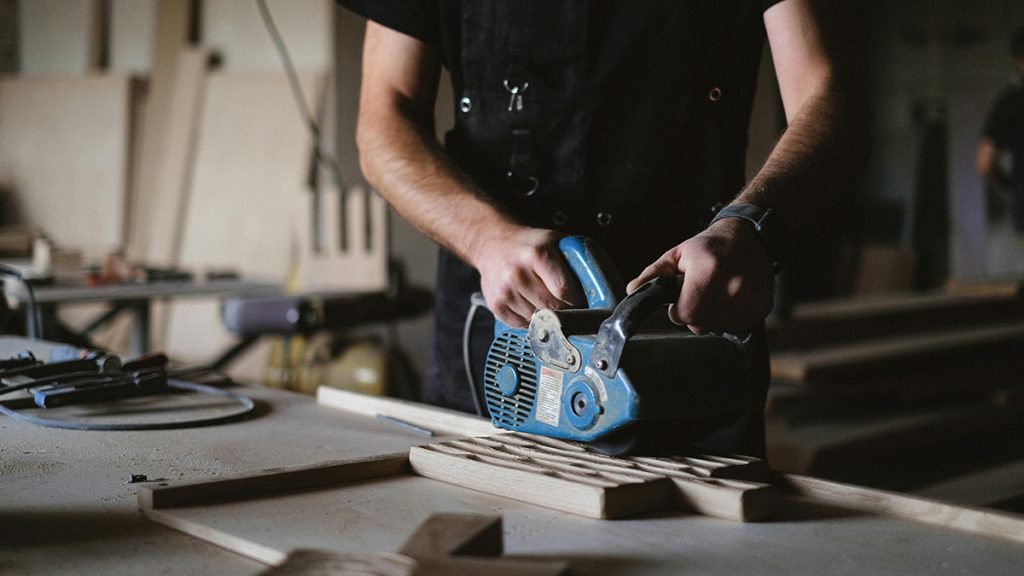
Sanding is often the least favorite task for woodworkers, but it’s the most important. A poor sanding job will be magnified $10\times$ as soon as you apply a wood stain or oil. To get that “glass-smooth” finish on Walnut or Oak, you need more than just effort—you need an abrasive that cuts clean without scratching.
In today’s workshop, the traditional paper-backed sandpaper is being replaced by high-tech materials that last longer and keep your lungs cleaner. Here is everything you need to know about selecting the right grit and the best brands available on Amazon.
Sandpaper Grit & Material Comparison
| Task | Grit Range | Best Abrasive Type | Goal |
| Rough Stock Removal | 60 – 80 | Aluminum Oxide | Removing tool marks / leveling |
| General Smoothing | 100 – 150 | Ceramic / Mesh | Preparing for assembly |
| Pre-Finish Prep | 180 – 220 | Silicon Carbide | Final surface before stain |
| Between Coats | 320 – 400 | Stearated (Anti-clog) | Scuffing lacquer or poly |
1. The Modern Standard: 3M Extract Cubitron II (710W)
3M Cubitron II has revolutionized sanding. It doesn’t use standard “sand”; it uses precision-shaped ceramic grain that “slices” the wood rather than plowing through it.
Why it’s perfect for woodworkers:
This is a mesh-style abrasive. Because it’s a net, sawdust is pulled through the entire disc into your dust extractor, not just through 8 holes. This keeps the disc cool and prevents “pilling”—those tiny balls of dust that create deep scratches.
-
Pros: Cuts $2\times$ faster than standard paper, lasts $4\times$ longer, virtually dust-free.
-
Cons: More expensive per disc; requires a pad protector for your sander.
2. The Dustless King: Festool Granat Net
If you own a Festool sander or work in a small, enclosed shop, Granat Net is the gold standard for clean air and longevity.
Why it’s essential:
Granat is designed specifically for hard VOC coatings and dense hardwoods like Maple. It resists “clogging” better than almost any other brand. If you are sanding a large tabletop, you’ll find yourself changing discs half as often as you would with cheap alternatives.
-
Pros: Exceptional durability on hard surfaces, best-in-class dust extraction.
-
Cons: Specifically optimized for high-end sanders; higher price point.
3. Best for Hand Sanding: 3M Pro Grade Precision
Not everything can be done with a Random Orbit Sander. For curves, moldings, and tight corners, you need high-quality sheets.
Why it’s perfect for woodworkers:
The “Pro Grade” line features a flexible backing that won’t crack when folded. It also has a “no-slip grip” coating on the back, so the paper doesn’t slide against your hand or sanding block.
-
Pros: Doesn’t tear easily, lasts longer than standard “hardware store” paper.
-
Cons: The backing can be a bit stiff for very intricate carvings.
4. Best Budget Value: Mirka Gold
For the woodworker who goes through a lot of sandpaper and wants a balance between price and professional performance, Mirka Gold is the “industry workhorse.”
Why it’s essential:
It’s an aluminum oxide abrasive with a semi-open coat. This means there is space between the grains to help prevent “loading” with resinous woods like Pine or Cedar. It’s the best choice for large DIY projects like deck restoration.
-
Pros: Very affordable, reliable performance, fits almost all 5-inch sanders.
-
Cons: Wears out faster than ceramic mesh options.
3 Rules for a Perfect Finish
-
Don’t Skip Grits: Woodworking is a ladder. If you start at 80, you must go to 120, then 150, then 180. If you jump from 80 straight to 180, the fine paper won’t be able to remove the deep scratches left by the 80-grit.
-
The “Pencil Trick”: Not sure if you’ve sanded enough? Lightly scribble a “squiggly” line across the wood with a pencil. Once the pencil line is completely gone, you know you’ve sanded the entire surface evenly.
-
Vacuum Between Grits: This is the most missed step. When you move from 100 to 150 grit, tiny 100-grit particles remain on the wood. If you don’t vacuum them off, your new 150-grit disc will just grind those larger rocks into the surface, causing scratches.
Final Verdict
-
For maximum speed and dust-free work, buy the 3M Cubitron II Mesh.
-
For high-end furniture and hard finishes, use Festool Granat.
-
For best overall value, stick with Mirka Gold.
Read too: Best Random Orbital Sanders for a Swirl-Free Finish
Disclaimer: As an Amazon Associate, I earn from qualifying purchases. Drink clean, hike on!