If your table saw has started burning your wood or requires more force to push a board through, don’t rush out to buy a new $80 blade just yet. More often than not, your blade isn’t dull—it’s just dirty.
As you cut wood (especially pine and fir), the heat causes resins and pitch to bake onto the carbide teeth. This “gunk” increases friction, which generates more heat, leading to a vicious cycle of poor cuts and potential fire hazards. A 15-minute cleaning can make an old blade feel brand new.
Here are the best cleaners and methods to remove pitch and restore your saw blades to factory performance.
Best Blade Cleaners Comparison
| Product | Type | Best For | Eco-Friendly |
| Bostik Blade & Bit | Industrial Spray | Fast, heavy-duty cleaning | No |
| Trend Clean-01 | Specialist Fluid | High-end carbide blades | Yes |
| Simple Green (Pro HD) | All-Purpose | Budget-friendly soaking | Yes |
| Boeshield Blade & Bit | Spray | Removing stubborn resin | No |
| CMT Formula 2050 | Non-Toxic Fluid | Preventing future buildup | Yes |
1. The Industry Standard: Bostik Blade & Bit Cleaner
Bostik (formerly CMT) is the “go-to” for professional shops. It is a powerful aerosol spray specifically formulated to break the molecular bond between wood resin and steel.
Why it works:
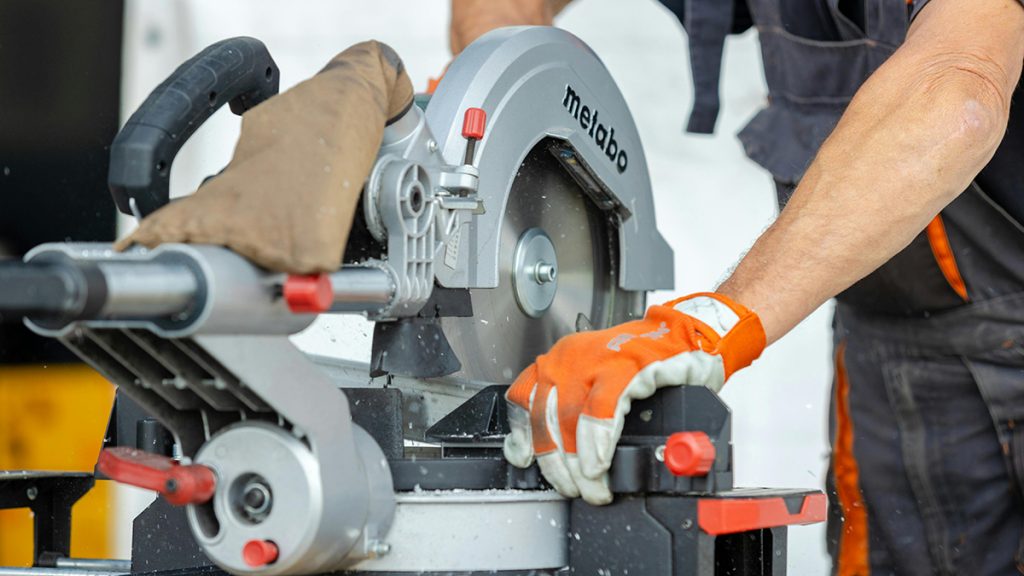
You simply spray it on, wait 60 seconds, and watch the brown gunk dissolve. It’s incredibly effective for miter saw blades that have been used heavily on construction lumber like 2x4s.
-
Pros: Works almost instantly; no soaking required.
-
Cons: Strong chemical odor; requires good shop ventilation.
2. Best Eco-Friendly Choice: Trend Clean-01
If you prefer not to use harsh chemicals in your home workshop, Trend offers a superb water-based, non-toxic cleaner that is biodegradable.
Why it works:
It is specifically designed not to harm the “binder” that holds the carbide tips onto your blade. Many harsh cleaners can actually weaken the solder over time, but Trend is safe for long-term use on premium crosscut blades.
-
Pros: Non-flammable, no harsh fumes, safe for all carbide grades.
-
Cons: Requires a bit more “elbow grease” with a brush.
3. Best Budget Value: Simple Green Pro HD (Purple)
You don’t always need a “woodworking-specific” brand. Simple Green Pro HD (the purple version, not the standard green) is a powerful degreaser that works wonders on saw pitch.
Why it works:
It is an alkaline cleaner that eats through organic resins. The best method is to find a shallow lid (like a 5-gallon bucket lid), pour in a 1:3 mixture of Simple Green and water, and let the blade soak for 15 minutes.
-
Pros: Extremely cheap; one bottle lasts years.
-
Cons: Do not soak for more than 20 minutes, as it can potentially affect the blade’s coating.
Step-by-Step: The Professional Cleaning Method
Step 1: The Soak
Place your blade in a shallow container (a dedicated Blade Cleaning Tray or an old pizza pan works great). Apply your chosen cleaner and let it sit. The resin should start to look like soft caramel.
Step 2: The Scrub
Use a brass-bristled brush or an old toothbrush. Never use a steel wire brush, as it can scratch the plate and create spots where rust can form. Scrub the sides and the face of each carbide tooth.
Step 3: Rinse and Dry
Wipe the blade down with a clean rag. Ensure it is 100% dry before moving to the next step. Any moisture trapped in the teeth will lead to rust once it’s back on the arbor.
Step 4: Protect
Once clean, spray the blade with a dry lubricant like Bostik Glidecote or a light coat of Boeshield T-9. This prevents new pitch from sticking and protects the steel from humidity.
3 Signs Your Blade Needs Cleaning (Not Sharpening)
-
The “Burning” Smell: If you smell “toasted” wood but the blade is still cutting fast, it’s pitch buildup.
-
Visible Brown Crust: Look at the sides of the carbide teeth. If they look brown or black instead of shiny silver, they are coated in resin.
-
Increased Resistance: If you have to push harder than usual against your table saw fence, friction from pitch is likely the culprit.
Final Verdict
-
For fast, professional results, use Bostik Blade & Bit.
-
For safe, non-toxic cleaning, Trend Clean-01 is the winner.
-
For maximum savings, a soak in Simple Green Pro HD does the job.
Read too: Best Table Saws for Beginners: Top 5 Picks Under $500
Disclaimer: As an Amazon Associate, I earn from qualifying purchases. Conquer the elements!