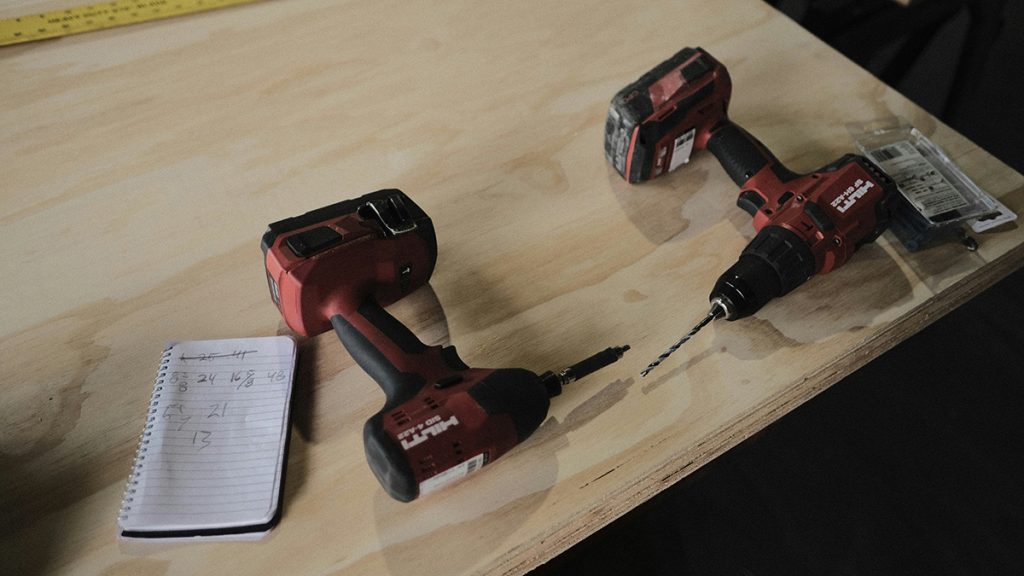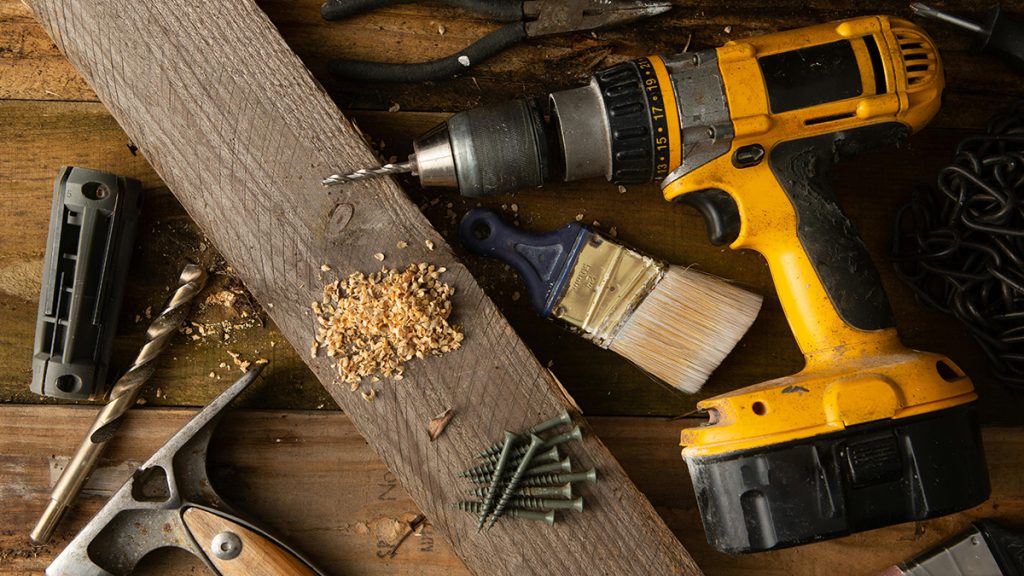
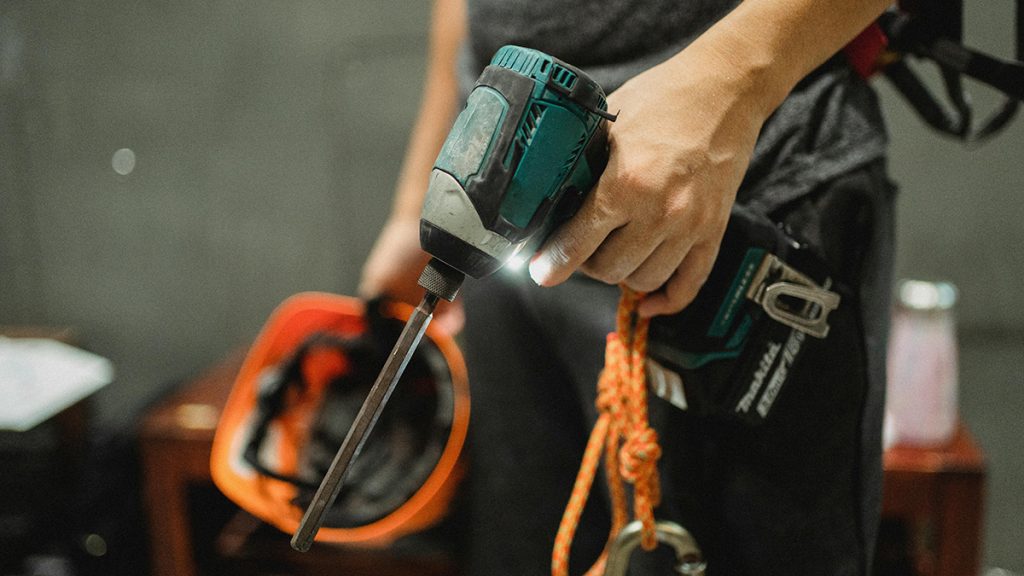
If you walk into any professional cabinet shop or construction site, you’ll see two tools that look remarkably similar sitting on the workbench: a Drill Driver and an Impact Driver. To the untrained eye, they do the same thing—they spin bits.
However, using the wrong one for the job can lead to snapped screws, ruined wood, or a dead battery halfway through your project. One is a precision instrument for surgery, while the other is a jackhammer in a compact frame.
Here is exactly when to reach for your drill and when to unleash the power of an impact driver.
Quick Comparison Table
| Feature | Drill Driver | Impact Driver |
| Chuck Type | 1/2-inch Keyless (Round/Hex) | 1/4-inch Hex Collet (Quick-release) |
| Internal Mechanism | Constant Torque (Smooth) | Rotational Hammers (Concussive) |
| Best For | Drilling holes, delicate screws | Driving long screws, lag bolts |
| Risk of Stripping | Higher (Requires manual pressure) | Lower (Impacts seat the bit) |
| Noise Level | Quiet / Moderate | Very Loud (Requires Ear Protection) |
1. The Drill Driver: The Precision Specialist
The standard drill driver is the first tool every woodworker should own. It uses a keyless chuck that can hold almost any bit—round, hex, or even small sanding drums.
Why it’s perfect for woodworkers:
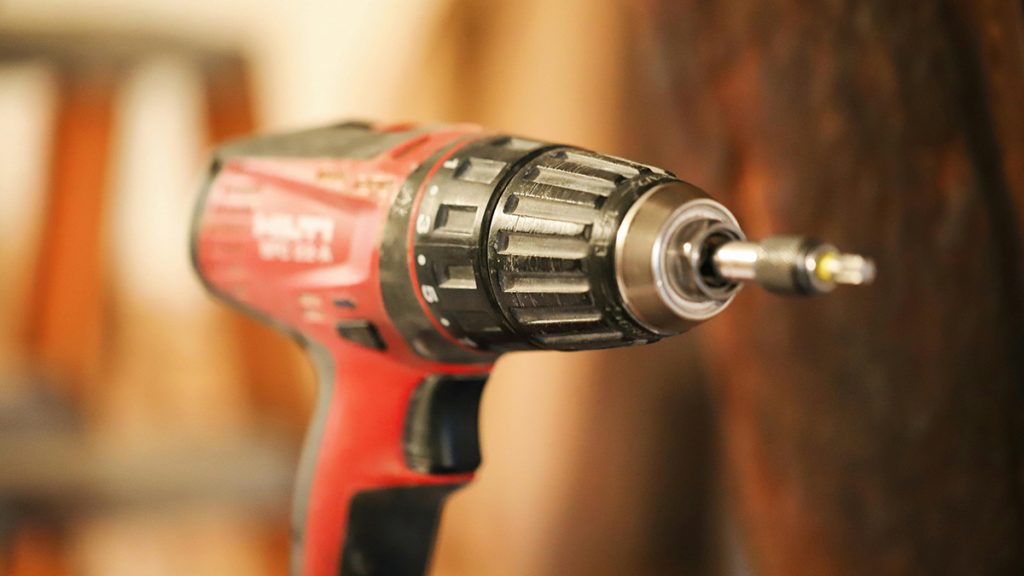
It features a Clutch. That numbered ring behind the chuck allows you to set the exact amount of torque. When the screw is flush, the drill stops spinning, preventing you from driving a screw right through a delicate piece of Walnut or Maple.
-
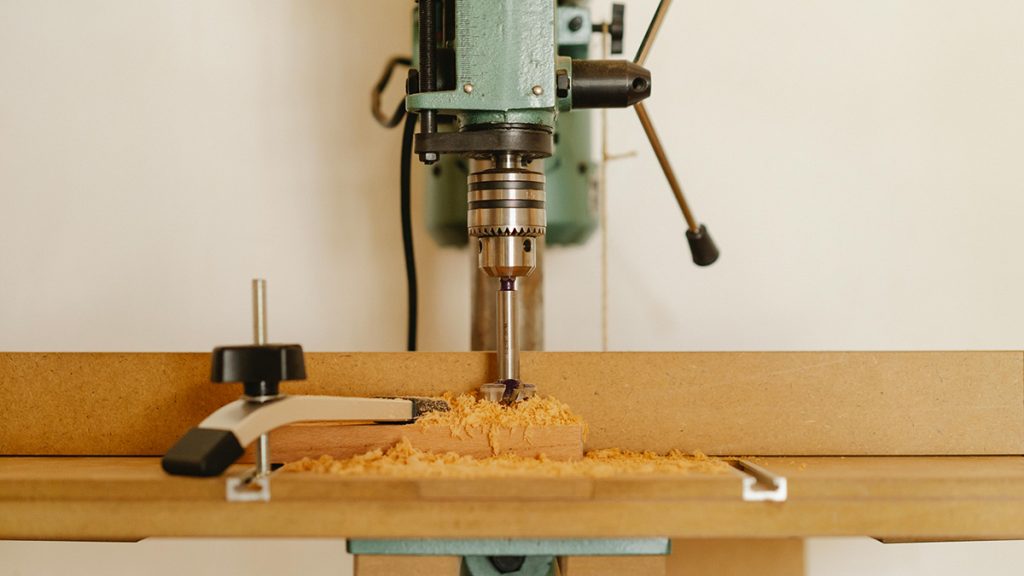
Use it for: Drilling clean holes with Forstner bits, driving small brass screws, and any task requiring a steady, smooth rotation.
-
Top Pick: DEWALT 20V Max XR Brushless Drill (Legendary for balance and power).
2. The Impact Driver: The Torque Monster
The impact driver is shorter, lighter, and much more powerful. Instead of just spinning, it uses a “hammer and anvil” mechanism that strikes thousands of times per minute in the direction of the rotation.
Why it’s perfect for woodworkers:
It excels at driving long fasteners into dense hardwoods without needing a pilot hole (though we still recommend one!). Because of the “impact” action, the bit is less likely to “cam out” (slip out of the screw head), which saves your bits and your sanity.
-
Use it for: Building workbenches, driving 3-inch deck screws, assembling shop jigs, and anything involving structural timber.
-
Top Pick: Milwaukee M18 FUEL Surge (Features hydraulic technology to make it quieter than traditional impacts).
Which One Do You Need?
Reach for the Drill if…
-
You are drilling holes of any size.
-
You are working with fragile materials that might crack.
-
You need to use a Hole Saw.
-
Silence is a priority (e.g., working in a basement at night).
Reach for the Impact Driver if…
-
You are driving hundreds of screws (e.g., a deck or a fence).
-
You are working in a tight space (impacts are much shorter).
-
You are tired of stripping the heads of your screws.
-
You are driving “Self-Tapping” screws into metal or hardwood.
Pro Tip: Buy the Combo Kit
Most major brands like DeWalt, Makita, and Milwaukee sell these tools together in a 2-Tool Combo Kit. This is almost always the best value for your money.
The Woodworker’s Workflow: Keep a drill bit in your Drill Driver and a screwdriver bit in your Impact Driver. You can drill your pilot hole and drive the screw in seconds without ever having to swap bits.
Final Verdict
-
For drilling and delicate assembly, the Drill Driver is king.
-
For raw power and efficiency, the Impact Driver is an essential upgrade.
Disclaimer: As an Amazon Associate, I earn from qualifying purchases. Conquer the elements!