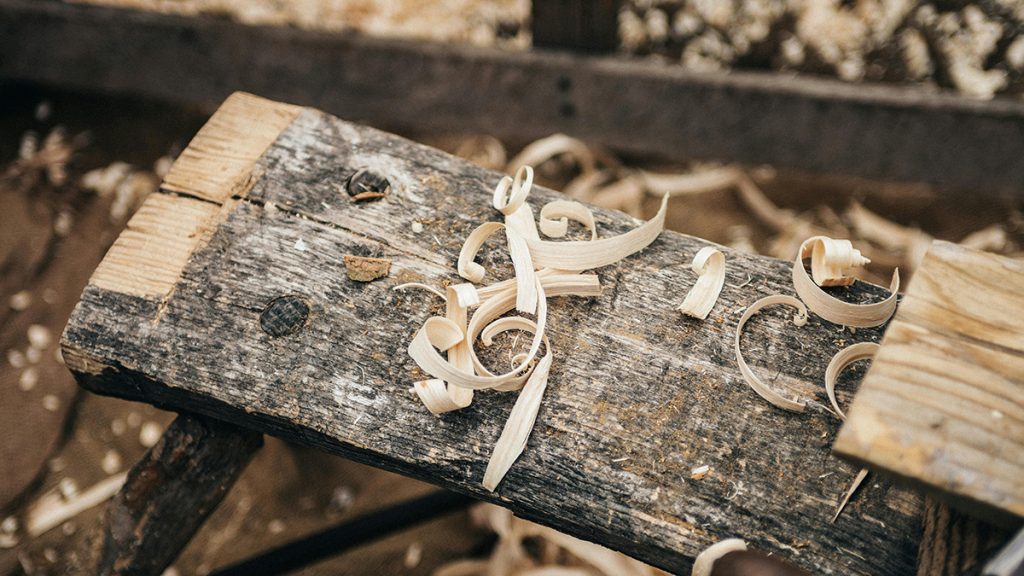
If you’ve been following our guides on benchtop planers and table saws, your shop floor is likely covered in “woodworker’s gold”—sawdust. While most beginners simply vacuum it up and throw it in the trash, experienced makers know that sawdust is a versatile tool in its own right.
From fixing mistakes in your joinery to boosting your garden’s health, those wood shavings are far too valuable to waste. However, not all sawdust is created equal (never use treated wood or Walnut in your garden!).
Here are the top creative and practical ways to use sawdust around your home and garden.
The Sawdust Utility Chart
| Use Case | Best Type of Sawdust | Benefit |
| Wood Filler | Fine Sanding Dust | Invisible repairs |
| Garden Mulch | Coarse Shavings | Moisture retention |
| Oil Spill Cleanup | Dry, Mixed Dust | Instant absorption |
| Composting | Mixed Dust | Carbon “Browns” source |
| Fire Starters | Dry Shavings | Fast ignition |
1. Make Your Own Professional Wood Filler
This is the oldest trick in the book. Instead of buying a tube of commercial filler that never quite matches your wood color, make your own.
How to do it: Collect the ultra-fine dust from your random orbital sander’s dust bag. Mix it with a small amount of Titebond II Wood Glue until it reaches a putty-like consistency. Because the dust came from the exact board you are working on, the color match will be near-perfect.
2. The Ultimate “Shop-Vac” for Liquid Spills
Did you drop a bottle of finish or spill oil on your garage floor? Don’t waste a roll of paper towels.
How to do it: Throw a handful of dry sawdust over the spill. Sawdust is incredibly thirsty and will soak up the liquid in seconds, clumping together so you can simply sweep it up with a broom. This is especially effective for heavy oils that are hard to wipe away.
3. Boost Your Garden’s Compost
Sawdust is a powerhouse of “carbon,” which is essential for a healthy compost pile. In composting terms, sawdust is a “brown” material that balances out the “green” materials (like grass clippings and kitchen scraps).
How to do it: Layer sawdust thinly into your compost bin.
-
Critical Warning: Never use sawdust from Black Walnut (it contains juglone, which kills other plants) or Pressure-Treated lumber (which contains toxic chemicals) in your garden. Stick to Oak, Pine, and Maple.
4. Homemade “Survival” Fire Starters
If you enjoy camping or have a backyard fire pit, your sawdust can help you get a fire roaring in seconds, even in damp conditions.
How to do it: Fill an old egg carton with sawdust and pour melted candle wax over it. Once it cools, cut the individual “eggs” out. These little pods will burn hot and long enough to ignite even large logs. It’s a great way to use up those finishing scraps and old wax.
5. Natural Weed Barrier and Mulch
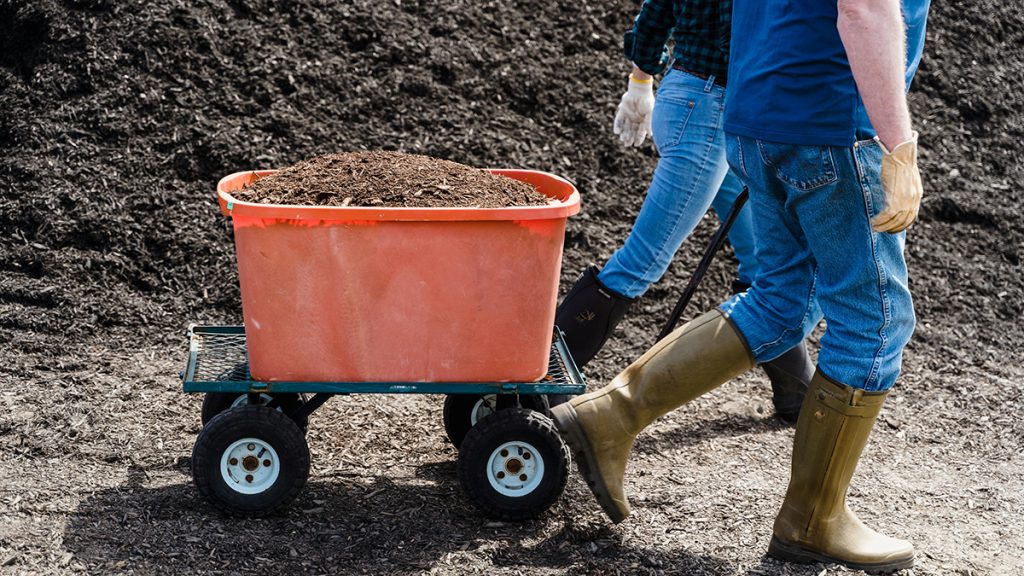
Coarse shavings from a thickness planer make excellent mulch for garden paths or around acid-loving plants like blueberries and azaleas.
How to do it: Spread a 2-inch layer of shavings over your garden paths. It suppresses weeds and keeps your feet out of the mud. As it breaks down, it improves the soil structure.
-
Pro Tip: Sawdust consumes nitrogen as it decomposes, so if you use it around plants, add a little extra nitrogen-rich fertilizer to keep them happy.
Safety First: A Note on Dust Quality
-
Avoid the “Chemical Cocktail”: Only use sawdust from natural, raw wood for gardens or home uses. Sawdust from Plywood, MDF, or Particle Board contains glues and formaldehyde that should be disposed of safely, not recycled in your home.
-
Respiratory Health: Even when “recycling” sawdust, it is still a respiratory irritant. Always wear your dust mask when handling or moving large amounts of dry dust.
-
Storage: Store dry sawdust in a sealed metal bin. Large piles of fine dust can actually be a fire hazard if exposed to a spark.
Final Verdict
The next time your dust collector is full, don’t look at it as a chore—look at it as a free supply of wood filler, garden mulch, and fire starters. Woodworking is a zero-waste craft if you know the right tricks.
Disclaimer: As an Amazon Associate, I earn from qualifying purchases. Conquer the elements!
Read too: How to Safely Dispose of Old Wood Stains and Paints