The biggest myth in woodworking is that you need a garage full of heavy machinery to build something beautiful. In reality, some of the most satisfying projects can be completed with just one power tool and a little bit of patience.
Starting small allows you to master the “feel” of the wood and the tool before moving on to complex joinery. Whether you only own a miter saw, a circular saw, or a simple drill, you can start building today.
Here are 5 beginner-friendly projects you can complete this weekend using only one primary tool (plus some glue and screws!).
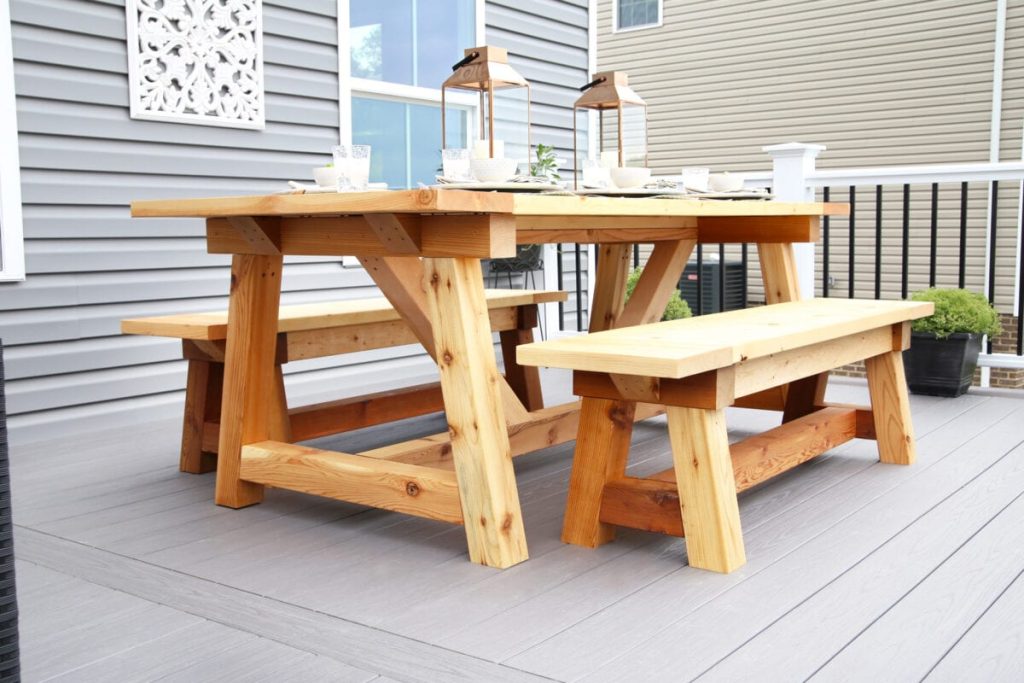
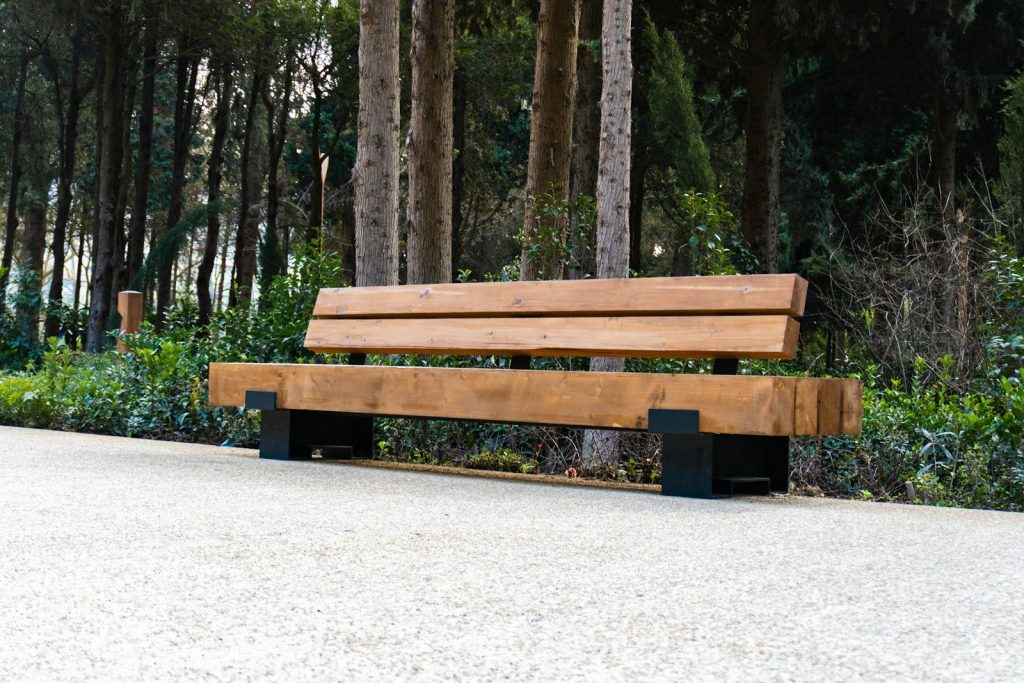
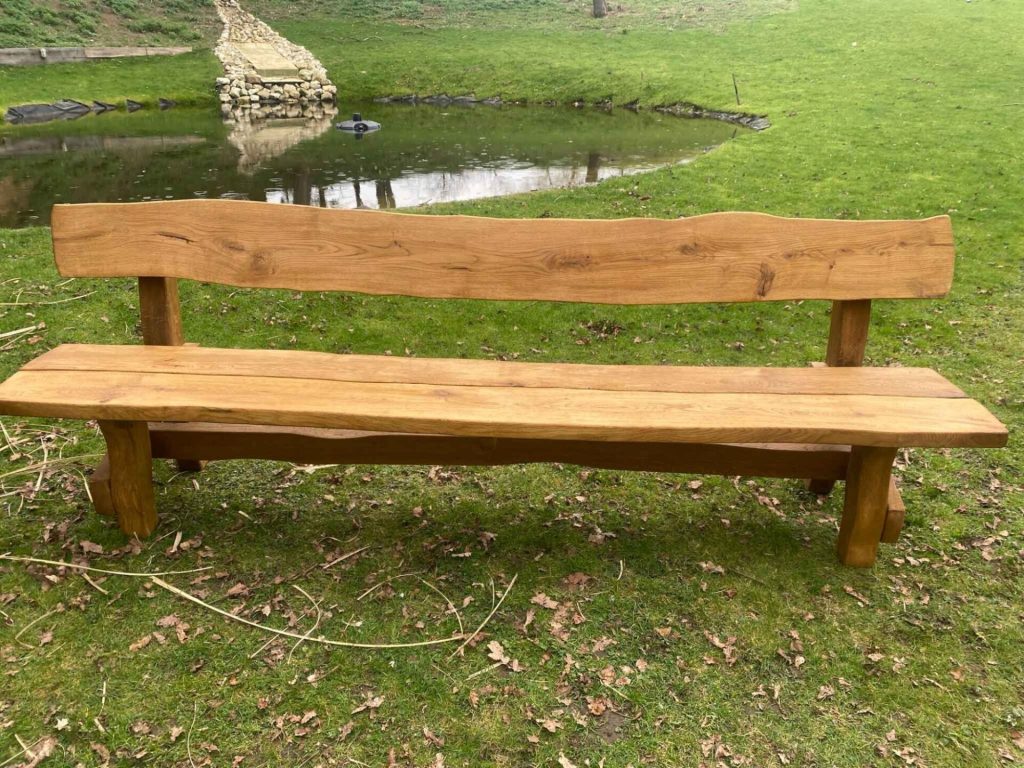
1. The Classic Rustic Bench (Tool: Circular Saw)
A rustic outdoor or entryway bench is the perfect “first project.” Using standard 2×4 or 2×12 lumber from your local home center, you can create a sturdy piece of furniture that looks like it cost $200 at a boutique store.
-
The Build: Use a DEWALT 7-1/4-Inch Circular Saw to make all your cross-cuts and leg angles.
-
Why it works: The circular saw is versatile enough to handle thick construction lumber, and even if your cuts aren’t 100% perfect, the rustic style hides “character” flaws beautifully.
2. Modern Floating Shelves (Tool: Miter Saw)
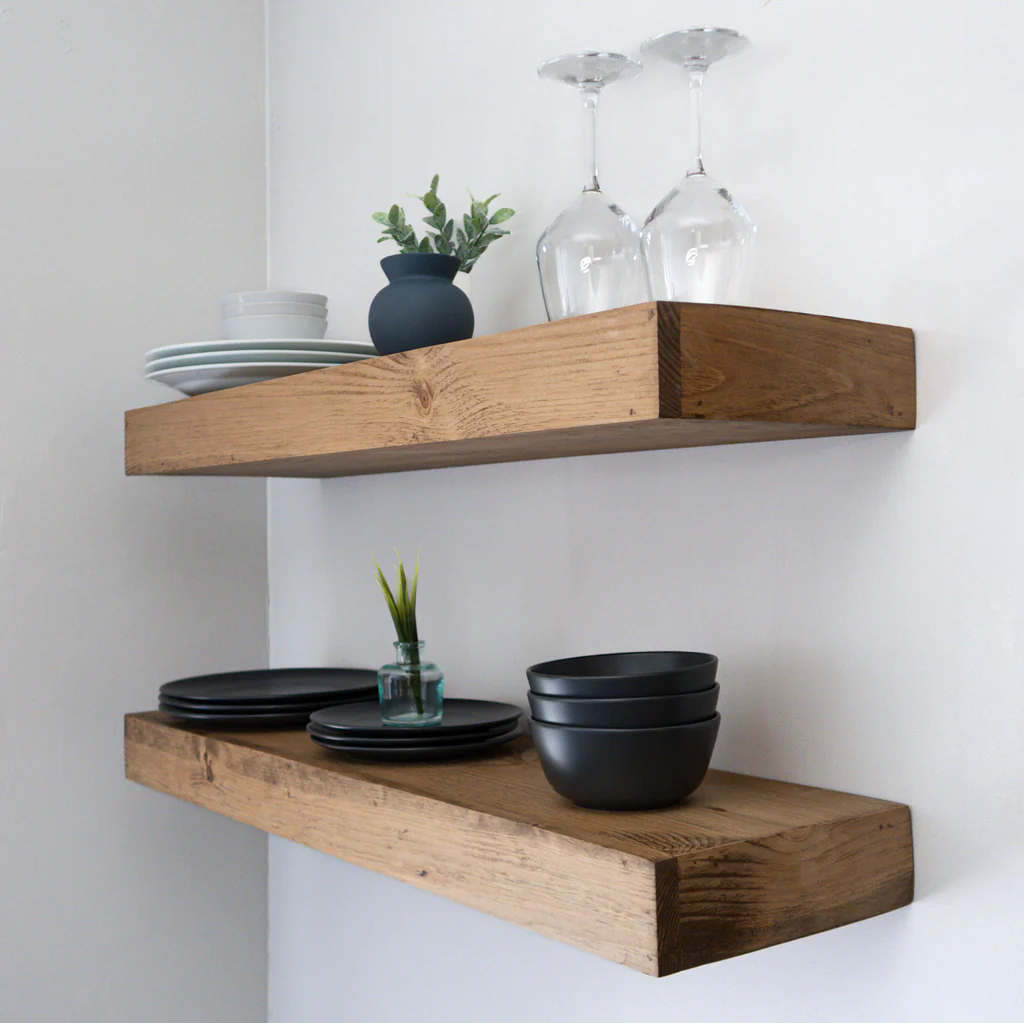
Floating shelves are a staple of modern home decor. They are essentially long hollow boxes made from thin plywood or pine boards that “sleeve” over a wooden cleat on the wall.
-
The Build: A Metabo HPT 10-Inch Compound Miter Saw is the king of this project. It allows you to make perfect 90-degree and 45-degree cuts for the corners, ensuring the shelf looks like one solid piece of wood.
-
Why it works: It teaches you the importance of “repeatable cuts”—making sure all four sides of the box are exactly the same length.
3. Custom Raised Garden Beds (Tool: Cordless Drill)
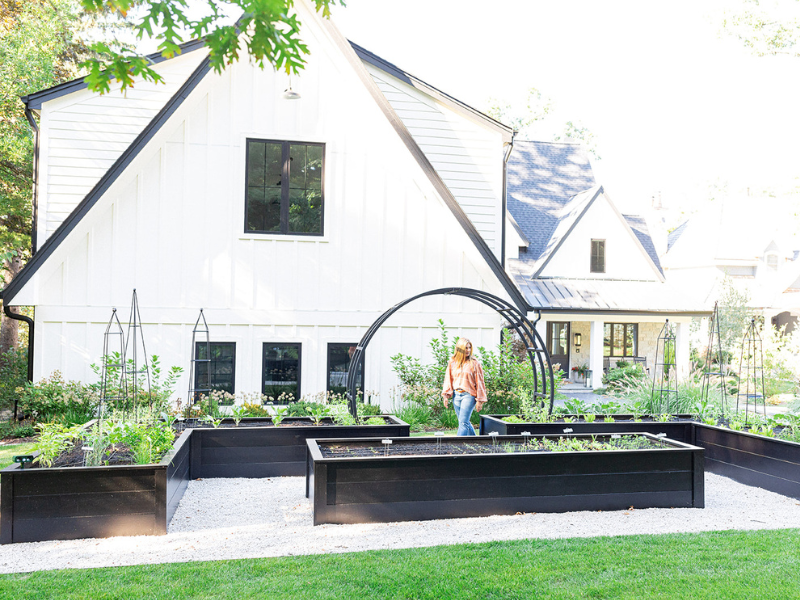
If you can operate a drill, you can build a garden bed. This is arguably the most practical project for any homeowner.
-
The Build: Grab a Milwaukee M18 Fuel Drill/Driver. All you need to do is have the lumber yard pre-cut your cedar boards (which they often do for free), and you handle the assembly.
-
Why it works: You learn about “pre-drilling” pilot holes to prevent the wood from splitting—a fundamental skill for every woodworker.
4. Minimalist Laptop Stand (Tool: Jigsaw)
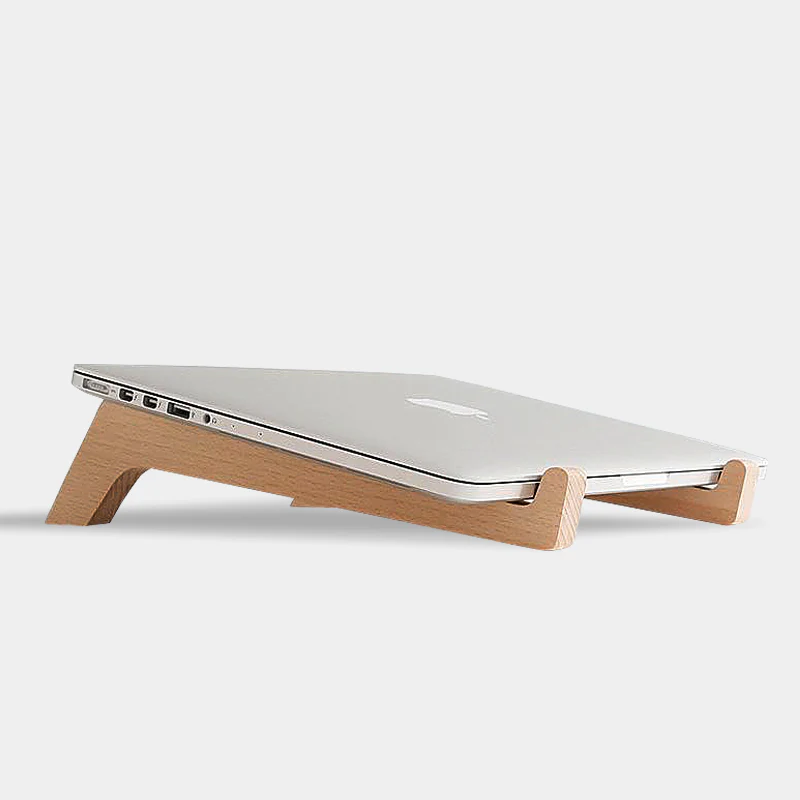
With more people working from home, a wooden laptop stand is a high-value project that requires very little lumber.
-
The Build: A Bosch Corded Jigsaw is perfect here. Because a jigsaw can cut curves, you can design an ergonomic, flowing shape that a straight-blade saw can’t achieve.
-
Why it works: You’ll learn how to follow a curved line and how to sand “end-grain” to a smooth finish.
5. Oversized “Scrabble” Wall Tiles (Tool: Random Orbital Sander)
This is a popular craft project. You take square pieces of plywood and turn them into giant decorative wall tiles with letters on them.
-
The Build: Believe it or not, the DEWALT Orbit Sander is the main tool here. You can buy pre-cut wood squares, and use the sander to heavily round the edges to give them a premium, soft-touch feel before staining or stenciling.
-
Why it works: It’s a low-stress way to practice finishing techniques—staining, painting, and sealing.

Quick Comparison: Which “One Tool” Should You Buy First?
| Project | Recommended Tool | Why? |
| Bench/Large Items | Circular Saw | Most versatile for big cuts. |
| Shelves/Frames | Miter Saw | Best for speed and accuracy. |
| Outdoor/Assembly | Cordless Drill | Essential for every home. |
| Decorative/Curves | Jigsaw | Safest for beginners to learn curves. |
Pro Tips for the “One-Tool” Woodworker
-
The “Lumber Yard Hack”: Most big-box stores (like Home Depot or Lowe’s) have a large panel saw. If you’re building shelves, have them cut the large plywood sheets into manageable strips for you. You just do the final “finesse” cuts at home.
-
Invest in Clamps: Even though we say “one tool,” a couple of Bessey Clamps will act as your “second pair of hands,” making your single-tool projects much safer and more accurate.
-
Sand, then Sand Again: A simple project made with a circular saw can look professional if the sanding is perfect. Never skip the 120-grit to 220-grit progression.
Final Verdict
You don’t need a master’s degree in carpentry to start. Pick the project that excites you most, buy that one tool from Amazon, and get some sawdust on your shoes!